
Review · ASWAN
Nile Cruise from Aswan to Luxor 3 Nights 4 Days w/ Private Sightseeing
The best part of this four-day trip is the rhythm: ancient temples in the morning, a slow sail past riverbank life, then dinner and a pool on board. You’ll travel from Aswan to Luxor while visiting Philae, Kom Ombo, and Edfu, three very different temples that make the Nile feel like a living museum.
I like the private sightseeing arrangement, since your group can focus on the places that interest you most with an Egyptologist guide. I also like the simple logistics: pickup from Aswan airport, hotel, or port, three nights on the boat, and meals included. The main drawback is the pace. Day four is packed with major Luxor sights, and Abu Simbel requires an extra-cost dawn trip.
Key points to know before booking
- Three nights on board: Your cabin, breakfast, lunch, and dinner are included according to the itinerary, with time for the pool, lounge, bar, and evening activities.
- Eight major sights: The route includes Philae, the High Dam, Kom Ombo, Edfu, the Valley of the Kings, the Ramesseum, the Colossi of Memnon, and Karnak.
- Private sightseeing: Only your group takes part in the sightseeing program, with a qualified Egyptologist guide.
- Abu Simbel costs extra: The optional dawn excursion is a major addition for serious ancient-Egypt fans, but it is not included in the listed price.
- The boat standard may vary: One supplied review describes the M/S Miss World as a five-star Egyptian boat that felt closer to a Western three-star standard, while still praising the buffet food.
- The final day is long: You check out at 8:00 a.m. and then visit several of Luxor’s biggest monuments before finishing at Karnak.
What $1,005.13 buys you on the Nile
At $1,005.13 per person, this is not the cheapest way to see Egypt, but the price covers more than transport between temples. You receive three nights of accommodation in a private cabin, meals listed in the schedule, a qualified Egyptologist guide, sightseeing, transfers, and the cruise itself.
That matters because arranging the Aswan to Luxor route independently can mean coordinating boats, cars, entrance tickets, guides, and hotel changes. Here, the cruise gives you one base for three nights. You unpack once, then wake up near the next group of monuments.
The value depends heavily on how much you want the cruise setting. If you only care about seeing temples, a land-based trip may cost less or give you more time at each site. If you like the idea of watching the Nile from a sundeck, having meals on board, and returning to the same cabin each night, the cost is easier to justify.
Drinks are not included, and optional activities cost extra. Abu Simbel is the most important added expense to consider. The evening Sound and Light Show at Karnak is also optional. Check the exact meal schedule before paying, since the main description presents full-board accommodation while the inclusion details specifically list breakfast and two lunches and two dinners.
More Nile Cruises in Aswan:
- 4-Days Nile Cruise From Aswan To Luxor including Abu Simbel and Hot Air Balloon
★ 5.0 · 3,142 reviews - 4-Day 3-Night Nile Cruise from Aswan to Luxor&Abu Simbel+Balloon
★ 5.0 · 2,023 reviews - 4-Day 3-Night Nile Cruise from Aswan to Luxor including Abu Simbel, Air Balloon
★ 4.5 · 612 reviews
Day one: Philae, the High Dam, and your first night afloat
Your cruise begins with a transfer from Aswan Airport, your Aswan hotel, or the port. After check-in, you visit the Temple of Philae by boat.
Philae sits on an island, so reaching it by water is part of the appeal. The temple was dedicated to Isis, one of ancient Egypt’s most important goddesses. The setting gives the visit a different feel from the large mainland complexes. You approach by boat, step ashore, and then explore the carved courts and columns with your guide.
Allow about two hours for the Philae visit. Your Egyptologist can explain the temple’s religious purpose and point out the details that are easy to miss when you are looking at a wall covered with figures and inscriptions.
Next comes the Aswan High Dam, built in the 1960s to control the Nile’s annual floods. It is a very different kind of sight. Philae represents the ancient river civilization, while the dam reflects modern Egypt’s attempt to manage that same river for power, agriculture, and flood control.
After sightseeing, you return to the ship for lunch. The remaining part of the day is less structured, which is welcome after the transfers and temple visit. Use the pool, sit in the lounge, or watch the river from the deck. Dinner is served on board, and you spend the night in Aswan.
Day two: Abu Simbel, Kom Ombo, and Edfu
The optional Abu Simbel trip begins at dawn and costs extra. If you have always wanted to see Ramses II’s huge rock-cut temples, this is the day to add it. The schedule makes the excursion demanding, since you return from Abu Simbel before the ship continues toward Kom Ombo and Edfu.
I would choose Abu Simbel if ancient Egyptian monuments are the main reason you came to Egypt and you can manage the early start. I would skip it if you value a slower cruise day or already have another chance to visit the site. The trip is optional, so you are not forced to add a long morning to an already active itinerary.
Back on the main route, the ship sails to Kom Ombo. The temple here is unusual because it is dedicated to two gods, including Sobek, the crocodile god. The surviving structure has a distinctive double arrangement, and your guide can help explain how the worship of different deities shaped the temple.
You have about an hour at Kom Ombo. That is enough for a focused visit, but not enough for an unhurried study of every carving. Wear comfortable shoes and keep water handy. You will be walking in open areas, and the day can feel hot even when the visit itself is fairly short.
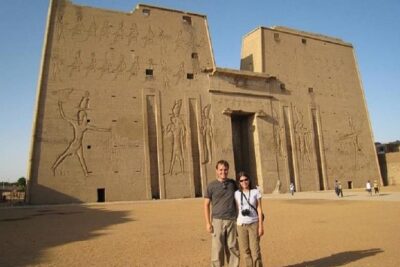
The ship then continues to Edfu, where you visit the Temple of Horus. Built later than many of Egypt’s most famous monuments, Edfu is remarkably well preserved. Its connection with Horus, the falcon-headed god, gives the temple a clear religious identity, while the intact walls and reliefs make it easier to picture how a functioning temple once looked.
The Edfu visit lasts about an hour. I like this stop because its condition makes the architecture easier to read. You can see the scale of the entrance, the courtyards, and the carved surfaces without having to reconstruct as much from ruins.
Dinner is served on board, and the ship spends the night at Edfu. This is one of the busiest days, especially if you add Abu Simbel, so the return to the boat gives you a needed break.
Day three: a slower stretch through Esna
Day three is the quiet center of the trip. As the ship moves toward Luxor, you pass Esna and spend much of the day on board.
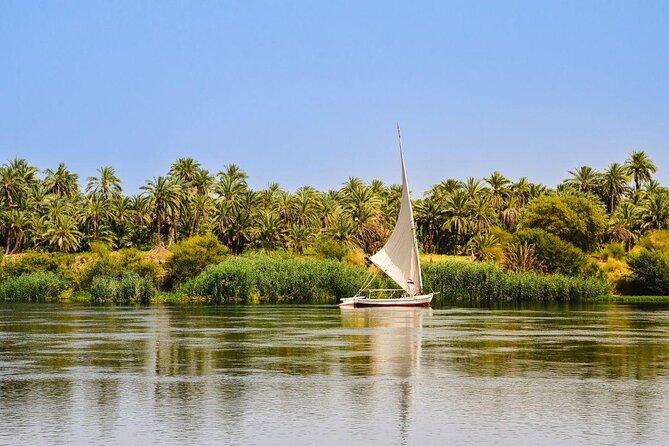
This is when the cruise earns its place in the itinerary. Rather than rushing from one archaeological site to another, you can sit on the sundeck and watch village life along the Nile. The supplied boat description includes a pool, lounge, bar, and evening entertainment, so you have several ways to spend the sailing hours.
Do not expect every minute to be filled with guided activity. That is a benefit if you want rest, but a possible disappointment if you want nonstop sightseeing. Bring a book, take photographs, or simply watch the riverbanks pass by. The view from the boat gives you a different sense of Egypt than a road transfer between monuments.
After arriving in Luxor, you can choose the optional Sound and Light Show at Karnak. It is not included in the main price. Since you visit Karnak again during the final day, this add-on is best for people who enjoy staged evening presentations and want to see the temple after dark.
You spend the last night on board in Luxor. The next morning begins early, so keep your luggage organized.
More Four-Day Trips in Aswan:
- From Aswan: 4-Day Nile Cruise from Aswan to Luxor with Guide
★ 4.1 · 593 reviews - 4-Day 3-Night Nile Cruise from Aswan to Luxor – Private Tour
★ 5.0 · 369 reviews - 4 Days Nile Cruise from Aswan to Luxor including Abu Simbel and Hot Air Balloon
★ 4.5 · 356 reviews - 4-Day 3-Night Nile Cruise from Aswan to Luxor With Balloon and Abu Simbel
★ 5.0 · 327 reviews
Day four: the Valley of the Kings and Luxor’s grand finale
You check out at 8:00 a.m. and begin the West Bank sightseeing program. The first major stop is the Valley of the Kings, the ancient burial ground cut into the hills west of Luxor.
Admission includes visits to three tombs from different dynasties. Your guide recommends which tombs to enter, an important service because the open tombs can change and each one has a different character. You should also know that Tutankhamun’s tomb costs an additional 300 Egyptian pounds according to the supplied details.
The tomb of Tutankhamun is small compared with some other royal tombs, but it contains the young king’s mummy. If seeing the burial place of Egypt’s most famous pharaoh matters to you, the extra fee may be worthwhile. If your main interest is painted decoration and larger spaces, you may prefer to spend your time in the included tombs.
The listed program gives special attention to the tombs of Ramses III, Ramses IX, and Merenptah. Ramses III’s tomb is known for colorful reliefs, ritual texts, images of the king before the gods, and unusual scenes showing foreign tribute, boats, military equipment, pottery, and harpists.
Merenptah’s tomb, associated with the son of Ramses II, has tall corridors and rooms. Ramses IX was a pharaoh of the Twentieth Dynasty, and his tomb adds another example of royal burial design to the visit.
The schedule also refers to transport to the Temple of Hatshepsut, then includes the Ramesseum, the mortuary temple of Ramses II. Because the detailed stop list does not give a separate visit time for Hatshepsut, confirm with the operator whether that temple is included as a full stop or only part of the transfer route.
The Ramesseum receives about 25 minutes and has no admission charge listed. That is a quick look rather than a long archaeological visit. You then stop at the Colossi of Memnon, two enormous statues dating to the reign of Amenhotep III. The stop also lasts about 25 minutes, enough for photographs and a short explanation.
After the West Bank, you visit Karnak on Luxor’s East Bank. Give this the time it deserves. The visit lasts about two hours and includes the Avenue of Sphinxes, the huge Hypostyle Hall with 134 columns, obelisks, the Temple of Amun, the Sacred Lake, and the granite scarab associated with Amenophis III.
Karnak is so large that a guide is especially useful. Without context, it can feel like a long series of columns and broken walls. With explanations, the scale begins to make sense. Different rulers added to the complex over many generations, so the site reads less like one building and more like a record of changing royal ambitions.
The final day covers a great deal. The Valley of the Kings alone can be tiring, and Karnak is another large complex. If you prefer slow visits, this schedule may feel rushed. If you want to see the major sights efficiently before leaving Luxor, it is a strong finish.
Life on board and the standard to expect
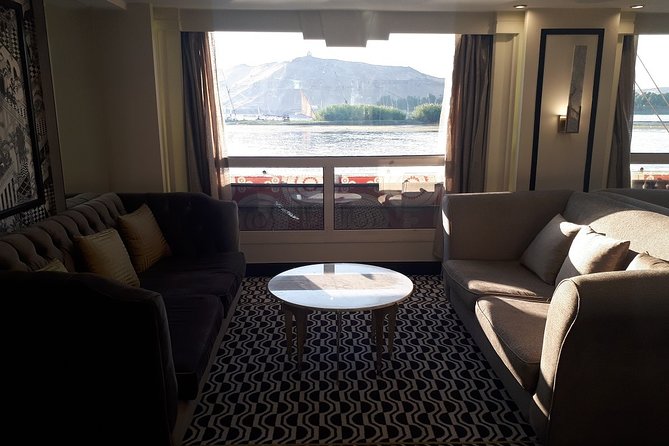
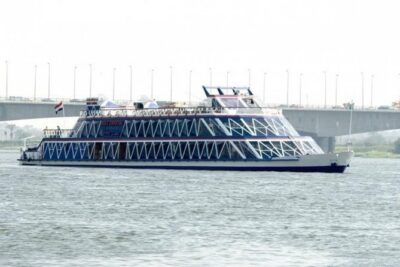
The cruise ship includes a private cabin, dining room, pool, lounge, bar, and evening entertainment. These facilities give you a comfortable base between temple visits, but it is wise to keep your expectations realistic.
One supplied review identifies the vessel as the M/S Miss World and describes the food as a good buffet with several choices, especially at lunch. The same account makes an important comparison: an Egyptian five-star boat may feel closer to a Western three-star property.
That does not make the cruise a poor choice. It means the price should be judged against the local boat standard rather than against a luxury hotel at home. Choose this trip for the Nile route, private sightseeing, and convenience first. Treat the pool and lounge as pleasant extras, not the main reason to book.
Vegetarian meals are available if requested at the time of booking. Drinks are not included, so budget separately for them and for any other extras not named in the inclusions.
Who will get the most from this cruise
I would recommend this experience to you if you want the major Aswan to Luxor sights arranged in one practical package. It suits first-time visitors who want an Egyptologist guide, private sightseeing, and a clear route without changing hotels every night.
It also works well for anyone who values downtime. Day three gives you a chance to enjoy the river instead of spending every hour in a vehicle or temple.
You should think twice if you need a predictable luxury-hotel standard, dislike early starts, or want long, independent visits at each monument. The Abu Simbel option makes day two particularly demanding, and day four is crowded with major sites.
The non-refundable booking condition deserves attention. Confirmation is subject to availability, and passport name, number, and country are required for every participant. Since cancellations and amendments are not refundable, book only after your dates and passport details are settled.
Is this Nile cruise worth booking?
Book it if you want the classic Nile route with private guided sightseeing, three nights on board, meals, and the ease of moving from Aswan to Luxor without arranging each part yourself. The combination of Philae, Kom Ombo, Edfu, the Valley of the Kings, and Karnak gives you a strong first look at ancient Egypt.
Before paying, confirm the boat name, exact meal coverage, the status of the Hatshepsut stop, and the cost of Abu Simbel. If you accept a practical Egyptian cruise standard rather than expecting Western luxury, the trip offers a useful blend of temples, river views, and relaxed time on deck.
FAQ
How long is the Nile cruise from Aswan to Luxor?
The cruise lasts approximately four days and includes three nights on board.
What sights are included?
Included sightseeing covers the Temple of Philae, Aswan High Dam, Temple of Kom Ombo, Temple of Horus at Edfu, the Valley of the Kings, selected royal tombs, the Ramesseum, the Colossi of Memnon, and Karnak.
Is Abu Simbel included in the price?
No. Abu Simbel is an optional dawn excursion at an additional cost.
Is the Karnak Sound and Light Show included?
No. The evening Sound and Light Show at Karnak is an optional activity.
Are meals included?
Breakfast, lunch, and dinner are included according to the itinerary. Drinks are not included. The detailed inclusion information lists breakfast and two lunches and two dinners, so confirm the exact meal schedule before booking.
Is the sightseeing private?
Yes. This is a private tour and only your group participates in the sightseeing activity.
Can I request vegetarian food?
Yes. A vegetarian option is available, but you should request it when booking.
Newly reviewed in Aswan
- 4-Days Nile Cruise From Aswan To Luxor Abu Simbel and Air Balloon★ 4.5 · 2 reviews
- Sailing Nile Cruise from Aswan to Luxor for 2 Nights★ 4.5 · 139 reviews
- Sailing Nile cruise from Aswan to Luxor includes tours for 3 nights★ 5.0 · 16 reviews
- 4-Day Nile Cruise: Aswan to Luxor & Abu Simbel + Hot Air Balloon★ 4.5 · 35 reviews
- 4-Days Aswan sails Nile Cruise Luxor &Abu Simbel.Hot air Balloon★ 4.5 · 77 reviews
- Luxor: 4-Night Nile cruise , Hot Air balloon , west bank , abu simbel★ 5.0 · 3 reviews
- 4 Days Nile Cruise &Hot Air Balloon on M/S Movenpick Royal Lilly★ 5.0 · 4 reviews
- Sailing Nile cruise from Aswan for 2 nights★ 4.0 · 11 reviews
Nile Cruises, compared side by side.
4-Days Nile Cruise From Aswan To Luxor including Abu Simbel and Hot Air Balloon
Read our review →
Dinner Cruise on the Nile River with Entertainment
Read our review →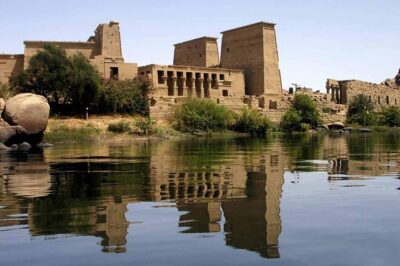
4-Day 3-Night Nile Cruise from Aswan to Luxor&Abu Simbel+Balloon
Read our review →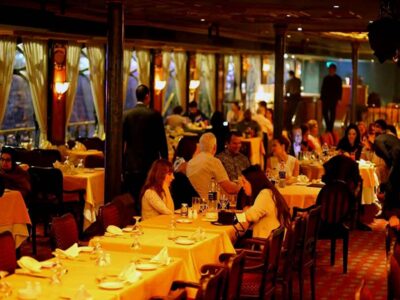
Nile Dinner Cruise with Belly Dancer Show with Pickup
Read our review →
4-Day 3-Night Nile Cruise from Aswan to Luxor including Abu Simbel, Air Balloon
Read our review →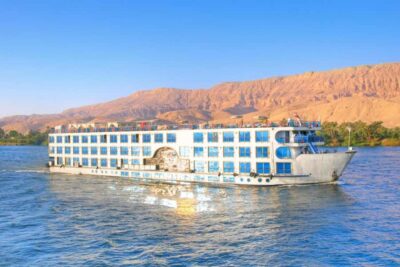
4-Day Nile Cruise from Aswan to Luxor with Guide
Read our review →Lists this trip appears in