
Review · ASWAN
4-Day 3-Night Nile Cruise from Aswan to Luxor – Private Tour
The best thing about this four-day Nile cruise is simple: the river links Egypt’s greatest ancient sites into one flowing trip. You begin among Aswan’s granite islands and finish among Luxor’s royal tombs, with meals, transport, and a private Egyptologist included. I especially like the boat-based view of daily life along the Nile and the chance to have one guide, such as Ahmed, Mustafa, Amro, or Aswany, with you throughout.
I also like the strong value at $504 per person, since three nights of full-board lodging, entrance fees, transfers, bottled water, and guiding are bundled together. The main caution is that 5-star on the Nile does not always mean 5-star on land. Ships vary, buffet meals can be ordinary, entertainment may not happen as expected, and the schedule can begin before sunrise.
Key points to know before booking
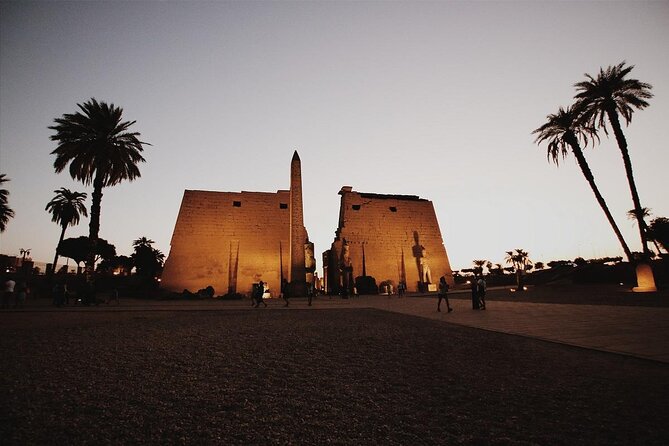
- Philae begins the trip beautifully: Reach Isis’s island temple by motorboat, then visit the High Dam and Unfinished Obelisk.
- A private guide can change the whole experience: The strongest guide reports name Ahmed, Mustafa, Amro, and Aswany, with praise for their patience, history lessons, and help with logistics.
- Abu Simbel is an extra-cost add-on: It requires an early start but adds two of Egypt’s most impressive temples.
- The schedule is packed: Expect long touring days, early wake-ups, and plenty of time on foot at temples and tombs.
- Ship quality can vary: Cabins and food have drawn both warm praise and sharp criticism, so ask for the confirmed ship name before paying.
- The final day covers Luxor’s essential sights: The Valley of the Kings, Hatshepsut’s temple, and the Colossi of Memnon complete the journey.
Why Aswan to Luxor is the right direction
A Nile cruise is not just transportation between archaeological sites. It gives you a few quiet hours to watch fields, villages, palm trees, and working river traffic pass by, while the major temples arrive in a sensible order.
Starting in Aswan also gives the trip a pleasant build. You first see the graceful Temple of Philae, then the distinctive twin temple at Kom Ombo, the great Temple of Horus at Edfu, and finally Luxor’s huge temple complexes and royal tombs.
The cruise lasts approximately four days and three nights. Pickup is available from an Aswan hotel, airport, or train station, and transfers use air-conditioned vehicles. The booking is described as private, meaning only your own party takes part, though some versions of the sightseeing may be arranged for a group unless you select the private guide option.
More Nile Cruises in Aswan:
- 4-Days Nile Cruise From Aswan To Luxor including Abu Simbel and Hot Air Balloon
★ 5.0 · 3,142 reviews - 4-Day 3-Night Nile Cruise from Aswan to Luxor&Abu Simbel+Balloon
★ 5.0 · 2,023 reviews - 4-Day 3-Night Nile Cruise from Aswan to Luxor including Abu Simbel, Air Balloon
★ 4.5 · 612 reviews
Day one: Philae, the High Dam, and an unfinished monument
Your first touring day begins with the Temple of Philae, dedicated mainly to Isis, the Egyptian goddess associated with magic and love. Since the temple sits on an island, you reach it by motorboat. That short ride adds a useful sense of occasion and gives you a first look at the Nile from the water rather than through a coach window.
Allow about two hours here. Your Egyptologist should help you read the carved scenes and understand how the temple was used. Philae is also a good first stop because its island setting makes it feel different from the large temple compounds you will visit later.
Next comes the Aswan High Dam, with about 30 minutes at the site. The dam is a modern engineering project built in 1961, and it changed the way Egypt managed the Nile. This is a brief stop, but it gives you a helpful reminder that the river is both an ancient lifeline and a modern public works project.
The final visit is the Unfinished Obelisk. You will see the enormous stone still attached to the quarry floor, with cracks that explain why the work stopped. The stop lasts about 45 minutes and is most useful with a guide who can explain how ancient stoneworkers shaped and moved monuments of this scale.
After sightseeing, you return to the cruise for dinner and your first night in a private cabin. Full board includes dinner, breakfast, and lunch for the three-night stay, along with two small bottles of water per person each day.
The Abu Simbel choice: worth the early start?
Abu Simbel is optional and costs extra. If you add it, you leave very early and return to Aswan in time to continue the cruise toward Kom Ombo.
The complex contains the temples of Ramesses II and Queen Nefertari. The larger temple honors Ramesses II along with Ptah, Re-Horakhty, Amun-Re, and the king himself. Nefertari’s temple is associated with Hathor. The paired monuments create one of the clearest examples of royal image-making in ancient Egypt.
You will spend about two hours at the complex, not counting the journey. The early departure makes this a tiring addition, especially when the rest of the day includes sailing and another temple. Still, if Abu Simbel is high on your Egypt wish list, this is the most practical point in the trip to see it.
Several strong accounts specifically recommend paying for this extra excursion. My advice is to add it only if you can handle a long day and do not mind sacrificing some sleep. This is not a relaxed morning outing.
Day two: Kom Ombo beside the river
The Temple of Kom Ombo sits on raised ground beside the Nile, so you get a fine river view as you approach. It is unusual because it has a double design, with separate entrances and areas dedicated to two gods: the falcon-headed Horus and the crocodile-headed Sobek.
The temple visit lasts about two hours. Your guide can help you make sense of the paired rooms and explain why Sobek, linked with fertility and the Nile, appears beside Horus. The site also connects with ancient ideas about crocodiles and the river’s power.
Kom Ombo is not as vast as Karnak, but that is part of its appeal. You can grasp the plan more easily, and its location makes the visit feel closely tied to the river. The area is also associated with sugar cane, a crop still important along the Nile.
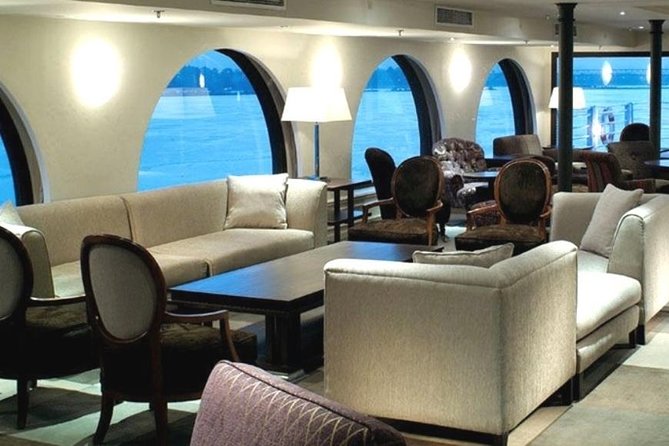
Back on board, you get time to use the ship’s facilities and watch the riverbanks pass. This may be one of the few calmer stretches of the trip. Do not expect an ocean liner with endless entertainment and large public spaces. Nile ships are smaller, and the cruise is mainly a comfortable base for sightseeing.
More Four-Day Trips in Aswan:
- From Aswan: 4-Day Nile Cruise from Aswan to Luxor with Guide
★ 4.1 · 593 reviews - 4 Days Nile Cruise from Aswan to Luxor including Abu Simbel and Hot Air Balloon
★ 4.5 · 356 reviews - 4-Day 3-Night Nile Cruise from Aswan to Luxor With Balloon and Abu Simbel
★ 5.0 · 327 reviews - From Aswan:4 Days Nile Cruise Luxor Abu Simbel & Air Balloon
★ 4.4 · 310 reviews
Day three: Edfu’s remarkably preserved Temple of Horus
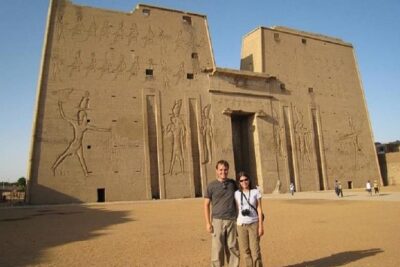
The Temple of Horus at Edfu is often the easiest ancient Egyptian temple to understand because much of its structure remains intact. Dedicated to the falcon-headed Horus, it is linked with the myth of Horus avenging his father Osiris by defeating Seth.
Plan on about two hours here. The massive gateway, columns, reliefs, and enclosed courtyards give you a strong sense of how a functioning temple might have looked. A lunch box is included for this excursion.
The supplied schedule describes travel back toward Aswan in this section, while the wider cruise route continues to Luxor. In practice, sailing times and the exact order of stops can depend on the ship’s operating schedule. Confirm the day-by-day timing with the operator before departure, especially if you are arranging a flight or train connection after the cruise.
Luxor’s east bank: Karnak and Luxor temples
The arrival in Luxor brings the trip’s biggest temple experiences. Karnak is a huge complex rather than one single building, and two hours gives you enough time to see the main features with a guide.
You can expect the Avenue of the Sphinxes, the great hypostyle hall with its forest of columns, obelisks, and the sacred lake. The scale can be hard to grasp from photographs. Walk slowly through the columned hall and look upward at the remaining carvings and traces of color.
Luxor Temple offers a different mood. It is more compact and was linked with Amun-Re, the sun god. Pharaohs including Ramesses, Amenhotep, and Hatshepsut contributed to its development. The temple’s relationship with the city makes it feel less isolated than many desert monuments.
A private guide is especially useful here. The best guides do more than recite dates. Amro, for example, is praised for keeping the explanations lively, answering questions, and adjusting the pace. Ahmed is praised for checking on practical needs while adding context about ancient and modern Egypt. Mustafa is described as patient and helpful when shopping or dealing with street sellers.
Your experience will depend heavily on who is assigned. One poor guide report describes limited explanation and too little time for photographs. If the guiding is not working for you, raise the issue early, not after the cruise ends.
Day four: the Valley of the Kings and the west bank
The final touring day covers Luxor’s west bank. An early hot-air balloon ride is optional and costs extra. The schedule does not give a fixed flight time, but it is described as an early morning activity. It can be a memorable way to see the Nile Valley from above, though it adds another early wake-up to an already demanding trip.
The Valley of the Kings is the main event. You will see royal tombs cut into the hills, with painted scenes and inscriptions that remain striking after thousands of years. Your guide will recommend three tombs to enter, and the included admission covers the listed sightseeing. Special tombs may cost extra, so ask what is included if a particular tomb matters to you.
Next is the Temple of Hatshepsut at Deir el-Bahari, reached after about an hour and a half at the Valley. Hatshepsut ruled Egypt for about 20 years and used this dramatic temple to present her authority. Its terraces and setting against the cliffs make it one of Luxor’s most memorable monuments.
The last stop is the Colossi of Memnon, two giant seated statues that remain from the mortuary temple of Amenhotep III. The visit lasts only about 15 minutes, but it is a useful final pause before your transfer onward.
What the ship is really like
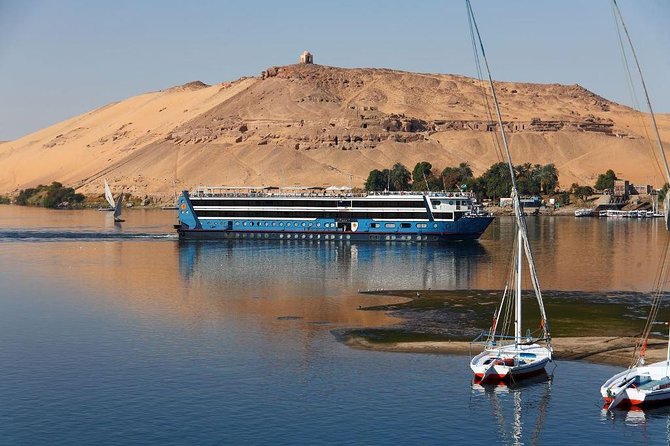
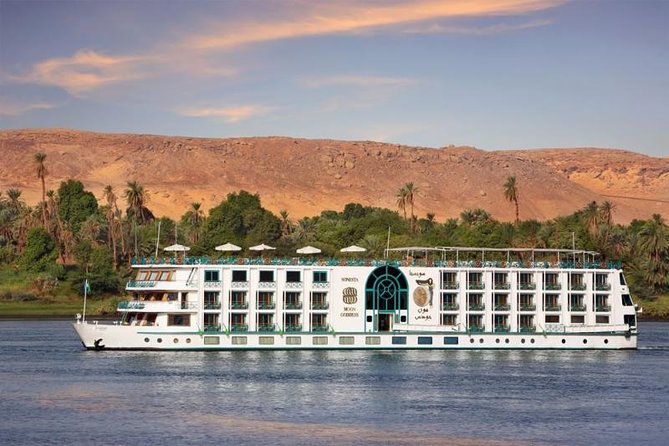
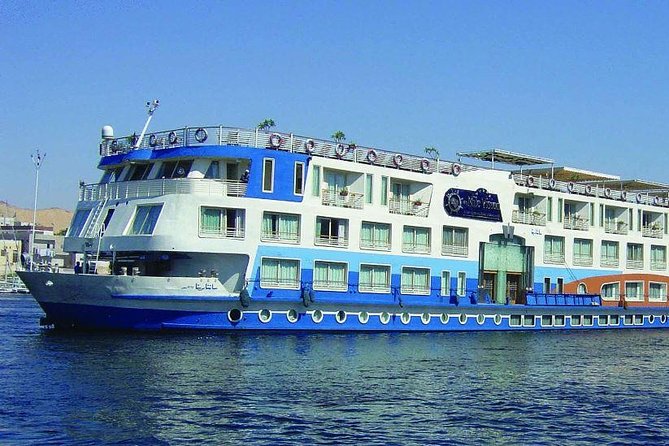
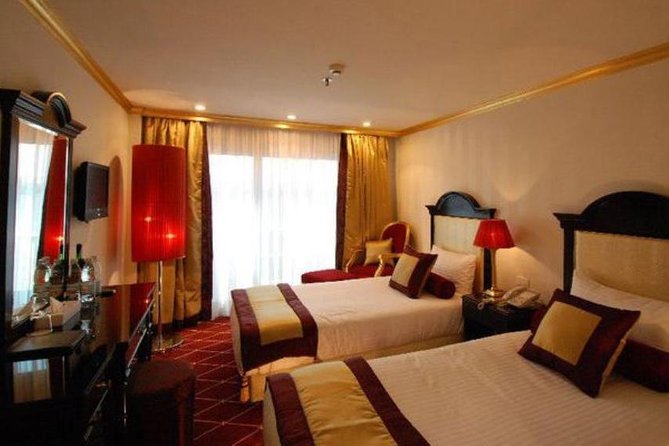
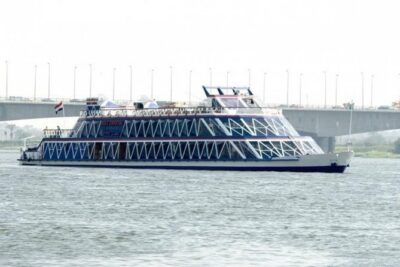
The advertised accommodation is a 5-star deluxe Nile cruise with three nights, private cabins, and full-board meals. Ships used for this program have included the Sonestra, Le Fayen, Nile Paradise, Alhambra, Medea, Concerto, Bride, and others. That list matters because the actual vessel can shape your experience more than the itinerary does.
Some cabins have been praised as clean, comfortable, recently remodeled, and fitted with a good bed and Nile views. Nile Paradise received especially warm comments for its small balcony and pleasant sundeck. Medea was praised after renovation, with special approval for its crew and vegetarian and vegan choices.
Other experiences have been much less comfortable. One report describes a room with a persistent diesel smell, while another calls the ship average and says the guide did not allow enough time for photos. Food is usually buffet-style, with Egyptian and international choices. Some passengers find it consistently good and varied, while others find it bland or below 5-star expectations.
The practical lesson is clear: ask for the confirmed ship name and recent cabin photographs before booking. Also ask what entertainment is actually scheduled. Belly dancing or other onboard performances may not occur, even if you expect them.
The upper deck and small pool are useful during sailing, especially in hot weather. Staff are often praised for being attentive, friendly, and quick to help. Tipping is common in Egypt, and one useful approach is to prepare cash for the many people who assist you, then ask whether a shared tip arrangement is available at the end.
Food, pacing, and the physical effort
Three breakfasts, three lunches, and three dinners are included, as are daily bottles of water. Vegetarian meals are available if you request them at booking. Beverages beyond the included water are not covered.
Meals are generally served buffet-style. You may find a good range of hot and cold food, but do not book this cruise expecting restaurant-level dining. The schedule and sightseeing are the reason to choose it, not gourmet meals.
The pace is demanding. Early departures are possible for Abu Simbel, the hot-air balloon ride, and some temple visits. You will walk over uneven ground, stand outdoors in heat, and spend long stretches listening to explanations. Comfortable shoes, sun protection, and a willingness to wake early will make a real difference.
The cruise suits most people who can manage ordinary walking and touring, and children must be accompanied by an adult. A private guide lets you ask for slower pacing, more photo time, or extra explanation, though the ship’s sailing schedule still limits what can change.
Is $504 a good value?
At $504 per person, the package offers a lot for a four-day program. You receive three nights aboard a deluxe Nile ship, full-board meals, transfers, bottled water, entrance fees for the listed sites, a private Egyptologist, service charges, taxes, and a 24-hour emergency hotline.
The price does not include gratuities, drinks, personal expenses, Abu Simbel, or the optional hot-air balloon ride. Christmas and New Year travel from December 20 through January 2 adds $200 per person.
For a first visit to Egypt, this is strong value if you want the major Aswan and Luxor sites handled in one booking. The private guide is the most important upgrade. It can help with timing, shopping situations, transport, and questions that a fixed group tour cannot address.
You should not choose this package if your priority is a luxury ship experience above all else. Ship quality is not perfectly consistent, and the schedule leaves little room for unplanned wandering.
Should you book this Nile cruise?
I would recommend it to you if you want an efficient first visit to Upper Egypt, prefer having transport and admissions arranged, and like learning on site rather than exploring independently. The combination of Philae, Kom Ombo, Edfu, Karnak, Luxor Temple, and the west bank gives you a powerful introduction in only four days.
Choose the private guide option and confirm the vessel before paying. If available, ask for a guide with the qualities associated with Ahmed, Mustafa, Amro, or Aswany: clear explanations, patience, practical help, and enough flexibility for photographs.
Add Abu Simbel if it is a personal priority, and consider the balloon ride only if you are comfortable with another early start. If you want slow mornings, fine dining, or guaranteed entertainment, look elsewhere. If you want Egypt’s great monuments connected by the river, this cruise is a very sensible buy.
FAQ
How long is the Nile cruise?
The experience lasts approximately four days and includes three nights aboard the cruise ship.
Where does the cruise begin?
The cruise begins in Aswan. Pickup is available from an Aswan hotel, airport, or train station.
Where does the cruise finish?
The cruise travels one way from Aswan to Luxor. Private transfers can include the option to end in Hurghada.
Is the tour private?
The activity is described as private, so only your own group participates. Some sightseeing options may also be available in a group format unless you choose the private guide option.
Is a private Egyptologist included?
Yes. A private Egyptologist guide is included, along with transfers in a deluxe air-conditioned vehicle.
Are meals included?
Yes. The package includes three breakfasts, three lunches, and three dinners during the three-night cruise. Beverages other than the included bottled water are not included.
Is bottled water included?
Yes. Two small bottles per person per day are included.
Is Abu Simbel included?
No. Abu Simbel is an optional excursion with an additional cost. The visit takes about two hours, and you return to Aswan in time to continue sailing.
Is the hot-air balloon ride included?
No. The hot-air balloon ride over Luxor is an optional early-morning activity with an additional cost.
Can I request vegetarian food?
Yes. A vegetarian option is available, but you should request it when booking.
Are entrance fees included?
Entrance fees for the listed sightseeing are included. Abu Simbel is specifically excluded and costs extra.
What is not included in the price?
Personal expenses, laundry, phone calls, gratuities, beverages, Abu Simbel, and the seasonal supplement for travel from December 20 through January 2 are not included.
Can I cancel for a refund?
You can cancel at least 24 hours before the local start time for a full refund. Cancellations or changes made less than 24 hours before the start time are not accepted.
Newly reviewed in Aswan
- 4-Days Nile Cruise From Aswan To Luxor Abu Simbel and Air Balloon★ 4.5 · 2 reviews
- Sailing Nile Cruise from Aswan to Luxor for 2 Nights★ 4.5 · 139 reviews
- 4-Day Nile Cruise: Aswan to Luxor & Abu Simbel + Hot Air Balloon★ 4.5 · 35 reviews
- 4-Days Aswan sails Nile Cruise Luxor &Abu Simbel.Hot air Balloon★ 4.5 · 77 reviews
- Sailing Nile cruise from Aswan to Luxor includes tours for 3 nights★ 5.0 · 16 reviews
- Luxor: 4-Night Nile cruise , Hot Air balloon , west bank , abu simbel★ 5.0 · 3 reviews
- 4 Days Nile Cruise &Hot Air Balloon on M/S Movenpick Royal Lilly★ 5.0 · 4 reviews
- Sailing Nile cruise from Aswan for 2 nights★ 4.0 · 11 reviews
Nile Cruises, compared side by side.
4-Days Nile Cruise From Aswan To Luxor including Abu Simbel and Hot Air Balloon
Read our review →
Dinner Cruise on the Nile River with Entertainment
Read our review →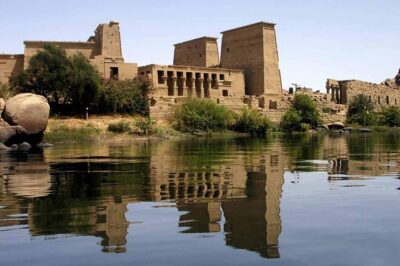
4-Day 3-Night Nile Cruise from Aswan to Luxor&Abu Simbel+Balloon
Read our review →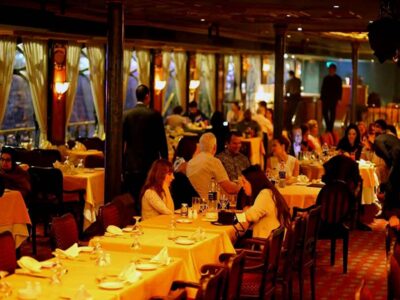
Nile Dinner Cruise with Belly Dancer Show with Pickup
Read our review →
4-Day 3-Night Nile Cruise from Aswan to Luxor including Abu Simbel, Air Balloon
Read our review →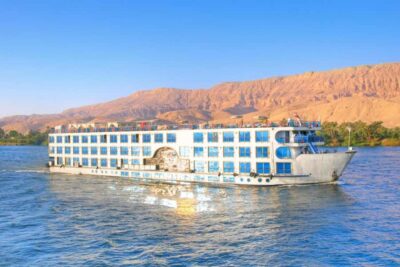
4-Day Nile Cruise from Aswan to Luxor with Guide
Read our review →Lists this trip appears in