
Review · ASWAN
Dahabiya Nile Cruise from Aswan to Luxor w/ Sightseeing
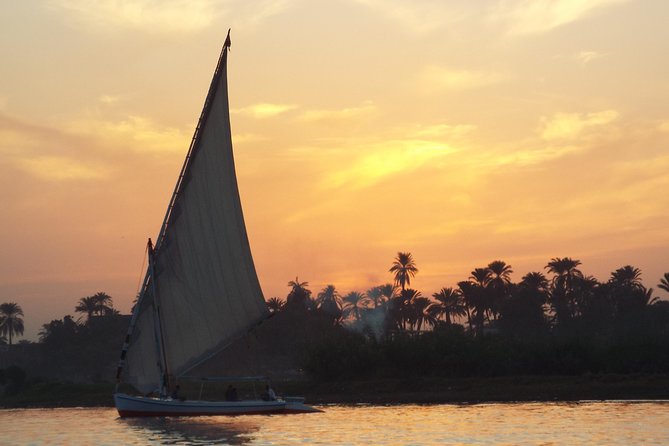
A dahabiya gives you a slower, quieter way to see the Nile. Instead of joining a large ship, you travel aboard a small sailing boat with colonial-style cabins, en suite bathrooms, a sundeck, and meals cooked for your group. The boat Orient accommodates only nine people, so the setting feels personal rather than crowded.
I especially like the private Egyptologist and the unhurried sailing between the major temples. I also like the personal chef, since three nights of Egyptian meals are included and vegetarian food can be requested. The main consideration is the $2,000 price per person, plus the extra charge for Abu Simbel and Tutankhamun’s tomb.
Key points to know before booking
- A nine-person dahabiya: The small boat creates a quiet, intimate setting for families, couples, or a group of friends.
- A full Aswan to Luxor route: You visit Philae, Kom Ombo, Edfu, the Valley of the Kings, Hatshepsut Temple, Karnak, and the Colossi of Memnon.
- A private Egyptologist: Your guide accompanies you at the monuments, with entrance fees included for the listed visits.
- A personal chef: Breakfast, lunch, and dinner are included for the three-night sailing.
- Abu Simbel is optional: An early-morning visit can be added at an extra cost, with admission not included.
- Private transport at both ends: Pickup is offered from your Aswan hotel, airport, or port, with drop-off at a Luxor hotel or port.
Why a dahabiya changes the Nile cruise
The Nile is best appreciated slowly. A large ship can cover the same route, but a dahabiya puts you close to the water and gives the trip a more private feel. You have a furnished cabin, your own bathroom, a broad sundeck, and a kitchen serving your group.
This is not a bare-bones felucca. The dahabiya has private cabins with a toilet, wash basin, and shower. The cabins are described as elegant and colonial in style, with modern conveniences. That combination matters after a hot morning at a temple. You can return to your cabin, shower, and rest without giving up the character of a traditional Nile sailing boat.
The small size is the biggest practical difference. The Orient, the boat associated with this trip, accommodates only nine people. That makes conversation easier and keeps the atmosphere familiar. It also means you should not book this expecting the broad range of facilities found on a major cruise ship. The appeal is quiet sailing, close company, and a personal chef, not a large entertainment program.
More Nile Cruises in Aswan:
- 4-Days Nile Cruise From Aswan To Luxor including Abu Simbel and Hot Air Balloon
★ 5.0 · 3,142 reviews - 4-Day 3-Night Nile Cruise from Aswan to Luxor&Abu Simbel+Balloon
★ 5.0 · 2,023 reviews - 4-Day 3-Night Nile Cruise from Aswan to Luxor including Abu Simbel, Air Balloon
★ 4.5 · 612 reviews
Day 1: Philae, the High Dam, and your first night aboard
Pickup begins at about 7:30 a.m. You can be collected from an Aswan hotel, airport, or port. This is useful if you are arriving in Aswan that morning, although you should allow enough time to meet the pickup and begin the sightseeing schedule.
The first major visit is the Temple of Philae, reached by boat. The temple honors Isis, one of ancient Egypt’s most important goddesses. Its setting on an island makes the approach part of the visit. You do not simply step off a coach and walk through a gate. You cross the water, then enter a temple complex with courtyards, columns, and carved walls.
Philae was moved to its present island site after the construction of the High Dam threatened the original location. Your Egyptologist can give this engineering story a human scale, explaining why the temple had to be saved and how the island setting connects modern Egypt with its ancient monuments.
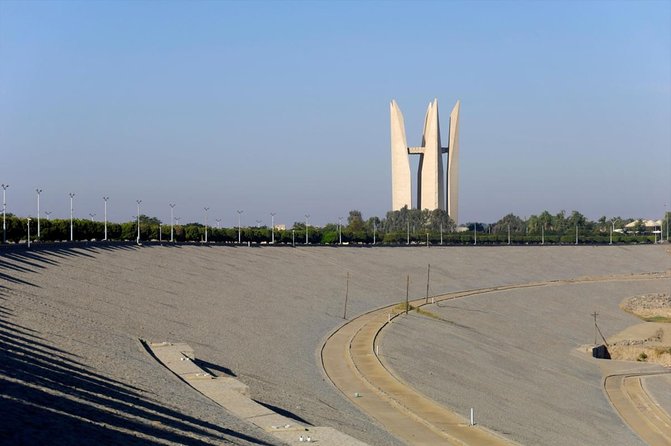
The next stop is the Aswan High Dam, built in the 1960s to control the Nile’s annual flooding. The visit is short, about 25 minutes, but it adds useful context to the river journey. The dam changed farming, flood control, and life along the Nile. It also helps explain why some ancient sites, including Philae, had to be relocated.
After the Aswan sightseeing, you board the dahabiya and have lunch. From here, the trip changes pace. The important part is not racing from one sight to the next. You watch the river scenery from the boat, settle into the cabin or sundeck, and sail toward Kom Ombo. The first night is aboard near Kom Ombo.
The Abu Simbel choice
An early visit to the Abu Simbel Temple Complex is available as an upgrade. It is located south of Aswan and includes two temples carved into the rock during the reign of Ramses II. The larger temple has monumental statues at the entrance, while the smaller temple honors Nefertari as well as the gods.
The visit takes about two hours, and admission is not included in the stated tour inclusions. You should ask for the exact added cost and pickup plan before booking. Abu Simbel is one of Egypt’s major sights, but the early start adds a demanding morning to an already full first day. It suits you if seeing the great temples is a priority. If you prefer a relaxed start to the sailing, you may want to skip it.
Day 2: Kom Ombo and the crocodile god Sobek
The dahabiya sails toward Kom Ombo, where you visit the temple dedicated in part to Sobek, the crocodile god. The temple is unusual because it has a double design, with areas connected to more than one deity. The setting beside the Nile also gives you a clear sense of how closely ancient Egyptian worship was tied to the river.
The guided visit lasts about two hours. This is a good place to stay close to your Egyptologist. The carvings and layout can feel confusing without context, and a guide can point out the temple’s unusual features instead of leaving you to read scattered signs.
After Kom Ombo, the dahabiya continues toward Edfu. Dinner is served aboard, and you spend the night near Edfu. This is one of the pleasant contrasts of the trip: the sightseeing happens on land, but the quieter parts of the day happen on the water. You are not packing and unpacking every night, and you do not need to find another restaurant after the temple visit.
More River Cruises in Aswan:
- From Aswan: 4-Day Nile Cruise from Aswan to Luxor with Guide
★ 4.1 · 593 reviews - 4-Days Nile Cruise From Aswan To Luxor including Abu Simbel and Hot Air Balloon
★ 4.5 · 509 reviews - 4-Day 3-Night Nile Cruise from Aswan to Luxor – Private Tour
★ 5.0 · 369 reviews - 4 Days Nile Cruise from Aswan to Luxor including Abu Simbel and Hot Air Balloon
★ 4.5 · 356 reviews
Day 3: Edfu and the Temple of Horus
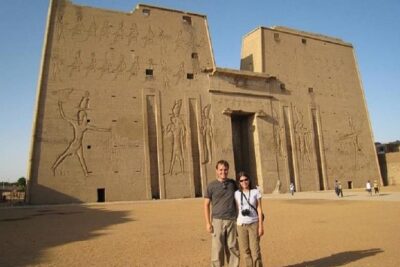
The Temple of Horus at Edfu is dedicated to the falcon-headed god Horus. It is a later pharaonic temple and is particularly well preserved. For many people, this is one of the clearest temple visits on the route because the walls, columns, and reliefs remain easy to read.
The planned visit takes about two hours. You will have time to look closely at the reliefs and ask questions rather than simply walk through for a quick photograph. Your Egyptologist is included, and admission is included as well.
There is a small scheduling oddity in the supplied program: the text repeats the Kom Ombo visit under Day 3, although Kom Ombo is described as the Day 2 stop and Edfu is the Day 3 sight. Treat Edfu as the main planned visit for Day 3, and confirm the exact sailing order with the operator before departure.
The rest of the day is spent aboard the dahabiya as it continues toward Luxor. This is where the boat earns its keep. You can use the sundeck, enjoy the views, and let the river set the tempo. The boat’s slower style is especially appealing if you find large cruise schedules too fixed or crowded.
Day 4: royal tombs and temples around Luxor
After breakfast, you check out and continue by vehicle for a full Luxor sightseeing day. The program covers the West Bank and East Bank highlights, so expect a busy final day with several stops.
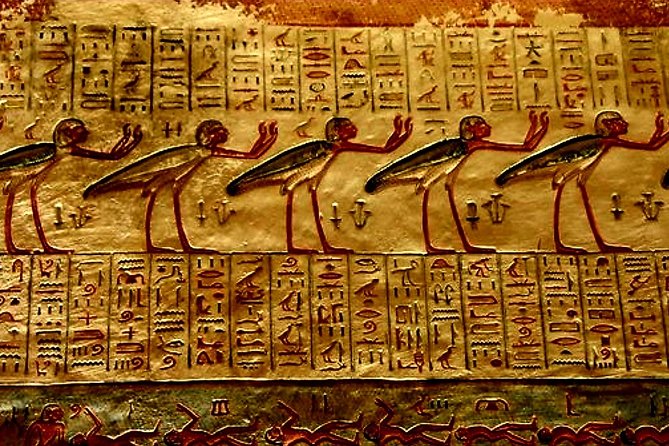
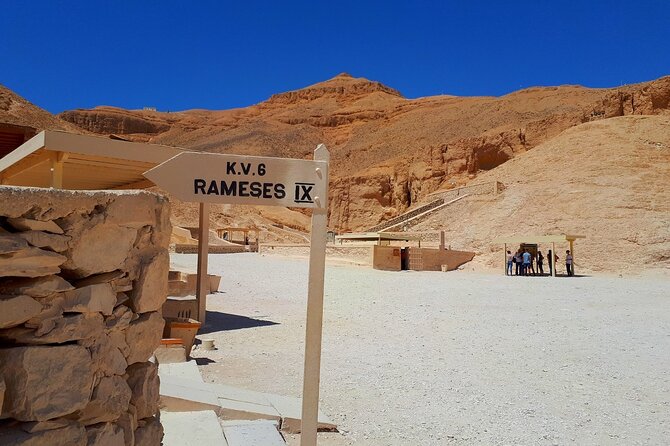
The morning begins at the Valley of the Kings, the royal burial ground on Luxor’s West Bank. The stated visit includes four royal tombs, with Ramses III, Ramses IV, and Merenptah specifically named. Tomb access can change over time, so the exact fourth tomb may depend on the day’s arrangements.
The Tomb of Ramses III, also called KV 11, is known for colorful reliefs and ritual texts. Its side rooms include unusual scenes showing foreign goods, boats, armor, and musicians. These details give the tomb more than a solemn funerary mood. They also show how carefully ancient artists recorded the king’s world.
The Tomb of Ramses IV is praised in the program for its blue and white decoration. Inside, you can see scenes from several funerary books, a rose-colored granite sarcophagus, and the goddess Nut on the ceiling. The tomb is a strong choice for anyone who wants to see painted decoration rather than only grand entrances.
The Tomb of Merenptah, son of Ramses II, has high corridors and rooms with a different feel from some of the other royal tombs. You spend about 25 minutes in each named tomb, so the guide’s explanations help you focus on the best details instead of trying to absorb every wall at once.
Tutankhamun’s tomb costs extra
The Tomb of Tutankhamun is optional and requires an additional entrance fee of 300 Egyptian pounds. The tour includes the Valley of the Kings, but not this special tomb admission.
Tutankhamun’s burial chamber is modest compared with some royal tombs, yet it is famous because his mummy remains there. If you want to see the young king’s mummy, budget for the extra fee. If you are more interested in large chambers and extensive wall decoration, the included tombs may offer more visual material.
Hatshepsut, Memnon, and the final Luxor stops
From the Valley of the Kings, you continue to the Temple of Hatshepsut at Deir el Bahari. Hatshepsut ruled Egypt as pharaoh, an unusual achievement for a woman in ancient Egypt. The temple’s terraces rise against the cliffs, and the setting makes it different from the enclosed tombs visited earlier.
The planned stop lasts about an hour. This is enough time to walk through the terraces and hear how Hatshepsut presented her rule. The visit also gives your legs a change after the tighter spaces of the tombs.
The Colossi of Memnon require about 20 minutes. These two large statues date to the reign of Amenhotep III. The stop is brief, but it is easy to fit into the route and gives you a chance to see the scale of royal sculpture from the roadside.
The itinerary also lists Karnak Temple as part of the Luxor tour, although no separate time estimate is provided for it. Karnak is one of Luxor’s essential sights, so confirm the order and timing of this visit with the operator. The final drop-off can be arranged at a Luxor hotel or port.
Food, cabins, and the pace of the boat
Meals are included throughout the three nights: four breakfasts, four lunches, and three dinners are listed. A personal chef prepares Egyptian cuisine for the group. Vegetarian food is available if you request it when booking.
I like this arrangement because food becomes part of the boat’s private character. You are not choosing restaurants between temple visits, and you can eat aboard after a full sightseeing day. Still, the supplied information does not provide menus, drink details, or special dietary policies beyond the vegetarian option, so ask about allergies or other requirements before paying.
The en suite cabins are a practical feature, not just a luxury label. A private shower and toilet make the small boat much easier to live on for three nights. You also have a spacious sundeck, which is likely to be your best place for watching the river and taking a break from the cabin.
The cruise is slow by design. If you want nonstop activity, this may feel too quiet. If you want to sit, read, talk with your group, and watch the Nile pass at an easy pace, it is a strong fit.
Is $2,000 per person a fair price?
At $2,000 per person, this is a costly Nile trip. The price makes more sense if you value privacy, a small boat, private guiding, included meals, transportation, and a full sightseeing program from Aswan to Luxor.
The fee includes three nights of accommodation, meals, taxes and handling charges, the Egyptologist, hotel or port pickup, and the listed entrance fees. It does not include the Abu Simbel upgrade or the 300 Egyptian pound ticket for Tutankhamun’s tomb.
You are paying for more than transport between monuments. You are paying for the small group setting and the ability to travel by dahabiya rather than a large cruise ship. For a family or group of friends splitting the cost of a private arrangement, that can be good value. For a solo visitor comparing basic Nile cruises, the price may feel high.
Who should book this Nile sailing?
I would recommend it most to couples, families, and small groups of friends who want a quiet boat and a personal guide. The nine-person capacity makes it particularly attractive if you dislike large organized groups.
It also suits people who want the main sights handled in one package. You get Aswan, Kom Ombo, Edfu, and Luxor, with pickup and final drop-off included. The program is packed on the sightseeing days, but the sailing time gives the trip breathing room.
You should think twice if your budget is tight, if you need a flexible cancellation policy, or if you want a major ship with many onboard facilities. The booking is non-refundable and cannot be changed after purchase. Confirmation is subject to availability, and passport details for every participant are required when booking.
Should you book it?
Book this dahabiya if the boat itself is a major part of your Egypt trip. The combination of a nine-person setting, personal chef, private Egyptologist, and three nights between Aswan and Luxor offers a more intimate Nile journey than a standard large-ship cruise.
Before you pay, confirm the exact boat, cabin setup, daily sailing order, Abu Simbel supplement, and Karnak timing. If those details suit your plans and you value privacy over a lower price, this is a strong choice. If the $2,000 cost stretches your budget, compare it with a larger ship before committing.
FAQ
How long is the dahabiya Nile cruise?
The experience lasts about four days and includes three nights aboard the dahabiya.
Where does the cruise begin?
Pickup is offered from an Aswan hotel, airport, or port. The listed start time is about 7:30 a.m.
Where does the cruise end?
After the Luxor sightseeing, drop-off can be arranged at a Luxor hotel or port.
Which major sights are included?
The program includes Philae Temple, the Aswan High Dam, Kom Ombo Temple, the Temple of Horus at Edfu, the Valley of the Kings, Hatshepsut Temple, the Colossi of Memnon, and Karnak Temple.
Is Abu Simbel included?
No. An early-morning Abu Simbel visit is available as an optional upgrade, and the admission ticket is not included.
Is Tutankhamun’s tomb included?
No. Entry to Tutankhamun’s tomb is optional and costs 300 Egyptian pounds according to the supplied details.
Are meals included?
Yes. The package lists four breakfasts, four lunches, and three dinners. A personal chef prepares the meals, and a vegetarian option is available if requested in advance.
Is this a private tour?
Yes. Only your group participates in the private tour activity. The dahabiya associated with the experience, Orient, accommodates only nine people.
Newly reviewed in Aswan
- Sailing Nile Cruise from Aswan to Luxor for 2 Nights★ 4.5 · 139 reviews
- 4-Days Nile Cruise From Aswan To Luxor Abu Simbel and Air Balloon★ 4.5 · 2 reviews
- Sailing Nile cruise from Aswan to Luxor includes tours for 3 nights★ 5.0 · 16 reviews
- 4-Day Nile Cruise: Aswan to Luxor & Abu Simbel + Hot Air Balloon★ 4.5 · 35 reviews
- 4-Days Aswan sails Nile Cruise Luxor &Abu Simbel.Hot air Balloon★ 4.5 · 77 reviews
- Luxor: 4-Night Nile cruise , Hot Air balloon , west bank , abu simbel★ 5.0 · 3 reviews
- 4 Days Nile Cruise &Hot Air Balloon on M/S Movenpick Royal Lilly★ 5.0 · 4 reviews
- Sailing Nile cruise from Aswan for 2 nights★ 4.0 · 11 reviews
Nile Cruises, compared side by side.
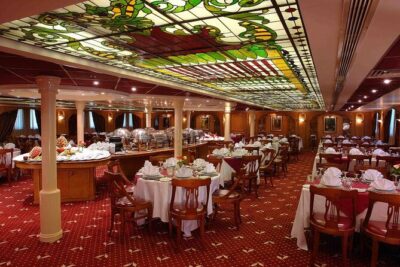
4-Days Nile Cruise From Aswan To Luxor including Abu Simbel and Hot Air Balloon
Read our review →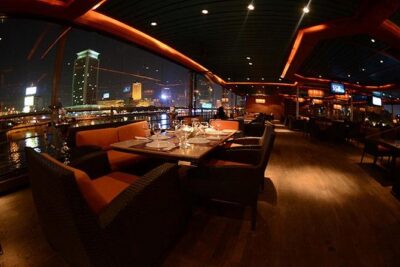
Dinner Cruise on the Nile River with Entertainment
Read our review →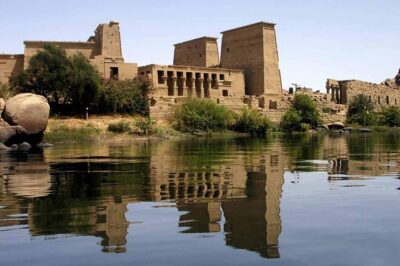
4-Day 3-Night Nile Cruise from Aswan to Luxor&Abu Simbel+Balloon
Read our review →
Nile Dinner Cruise with Belly Dancer Show with Pickup
Read our review →
4-Day 3-Night Nile Cruise from Aswan to Luxor including Abu Simbel, Air Balloon
Read our review →
4-Day Nile Cruise from Aswan to Luxor with Guide
Read our review →Lists this trip appears in