
Review · ASWAN
4 Days Nile Cruise, Aswan to Luxor AbuSimbel optional hot balloon
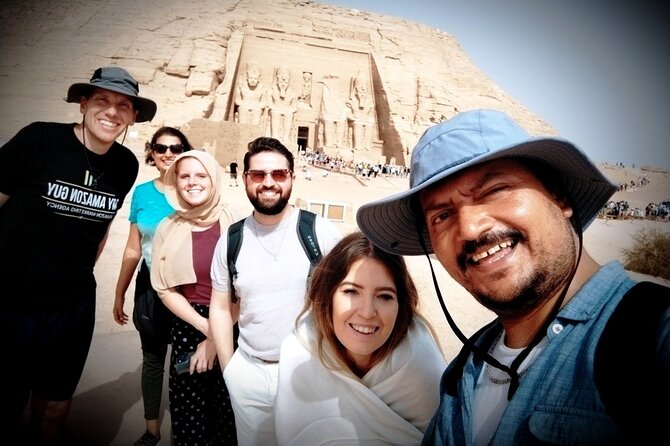
Abu Simbel is the headline here: you leave around 4 a.m., ride south through the desert, and reach the huge rock-cut temples before returning to the ship for its voyage toward Luxor. I like that this trip combines the great monuments with three nights on a Nile cruise, so you see river life between the ruins instead of spending every hour in a bus.
I also like the practical package: meals, transfers, a guide, and a maximum of 30 people are included. The drawback is that entrance fees, tips, Wi-Fi, and personal expenses are extra, while the long Abu Simbel day and early Edfu visit demand stamina.
Key points to know before booking
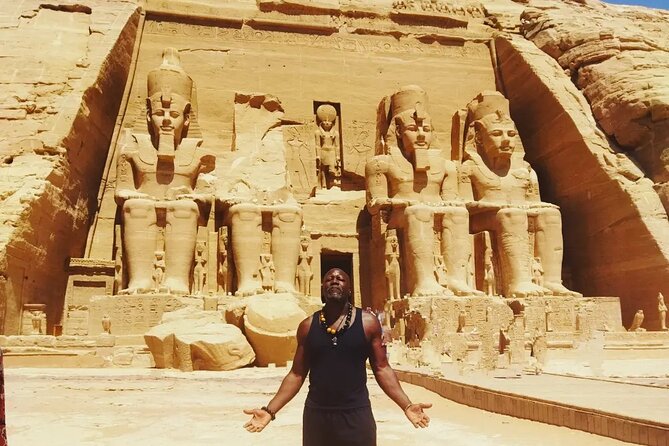
- Abu Simbel takes nearly the whole second day, with a departure around 4 a.m. and roughly eight hours of transport and touring.
- Philae Temple requires a boat transfer, since the temple was moved to a new island location after the construction of the old British Dam.
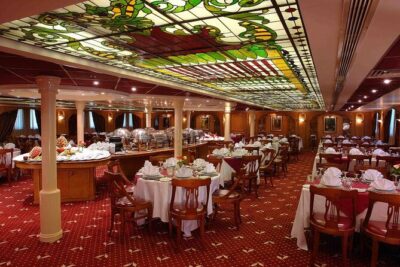
- The ship includes a swimming pool, buffet meals, afternoon tea, and onboard entertainment, useful during long stretches of sailing.
- The final day is packed, with the Valley of the Kings, Hatshepsut, Karnak, and Luxor Temple before a transfer around 2 p.m.
- Admission fees are not included, so the advertised price is not the complete cost of sightseeing.
- A hot-air balloon flight is optional, and the core cruise can be booked without it.
A four-day Nile route with the right big sights
This is a classic south-to-north Nile journey. You begin in Aswan, where the river feels broad and calm, then sail north through villages and agricultural banks toward Luxor. Along the way, the program covers temples from several periods of Egyptian history, not just one famous tomb or monument.
The price is $480 per person. That is a reasonable package price for three nights in a 5-star cruise, full-board meals, guided visits, transfers, and the listed excursions, but you need to budget for entrance tickets and tips. The value is strongest if you want one organized booking rather than arranging transport, hotels, guides, and temple visits separately.
The ship has an onboard swimming pool and regular entertainment. Breakfast, lunch, dinner, and afternoon tea are part of the plan, so you are not constantly searching for meals during a tightly timed sightseeing schedule. One particularly positive detail in the available feedback praises the buffet food, though another account found the meals disappointing. Food quality can vary by sailing, so I would treat the meal plan as a convenience rather than the main reason to book.
More Nile Cruises in Aswan:
- 4-Days Nile Cruise From Aswan To Luxor including Abu Simbel and Hot Air Balloon
★ 5.0 · 3,142 reviews - 4-Day 3-Night Nile Cruise from Aswan to Luxor&Abu Simbel+Balloon
★ 5.0 · 2,023 reviews - 4-Day 3-Night Nile Cruise from Aswan to Luxor including Abu Simbel, Air Balloon
★ 4.5 · 612 reviews
Day one: Aswan’s dam and the relocated Temple of Philae
After you check in, lunch is served on the ship before the first visits. The High Dam is a short stop of about 30 minutes. It is a modern engineering site, not an ancient temple, and it helps explain how the Nile is controlled today.
The dam is described as one of Africa’s largest and is presented as many times larger than the Great Pyramid by volume. The useful part of this visit is the wider context: the dam created Lake Nasser, changed the river’s flow, and led to the relocation of important monuments.
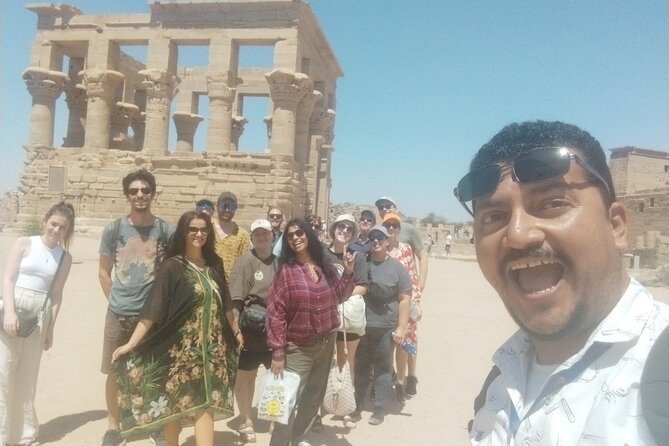
The main historical stop is Philae Temple, where you spend about two hours. Dedicated to Isis, the goddess associated with love and healing, Philae was one of the last temples built in ancient Egypt. Its setting is as important as its carvings.
The original temple site was threatened by changing water levels after dam construction. It was moved piece by piece to its present location, which is why a boat ride is needed. The supplied information lists admission fees as extra, and Philae’s boat access makes this a stop where you should not assume every cost is covered.
You spend the first night in Aswan. This is a sensible opening: the first day is busy but not punishing, and you have time to settle into the ship before the earliest morning of the trip.
Day two: the 4 a.m. start for Abu Simbel
Abu Simbel is the reason many people choose this route. The temples were carved into a mountainside south of Aswan and are famous for the colossal figures of Ramesses II at the entrance. They were relocated in a major international preservation effort in 1964, a detail that makes the site more than a spectacular photo stop.
The departure is around 4 a.m. The entire outing takes about eight hours, including the road journey, time at the temples, and the return to the cruise. You should think of this as a full expedition, not a quick morning excursion.
The early start has a clear downside. You lose sleep, and the return to the ship comes after a long ride. The advantage is that Abu Simbel is difficult to fit into a short Egypt trip unless you travel this way. If you have limited time and want to see the major monuments south of Aswan, this is a strong inclusion.
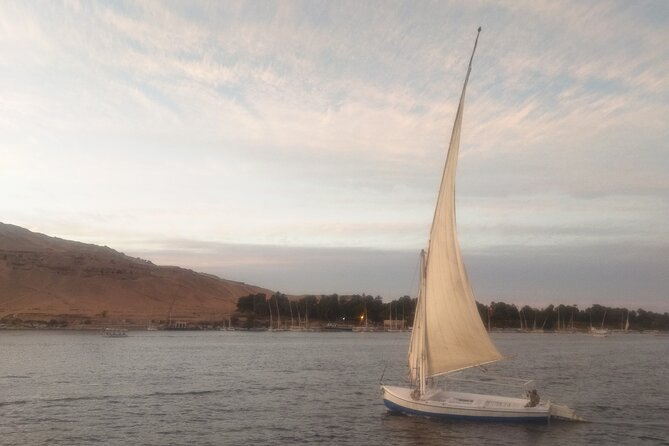
After returning, the ship begins sailing. This is one of the most enjoyable parts of the schedule because the Nile becomes the view. You might see small fishing boats, villages, agricultural land, and daily life along the river. The route also passes areas associated with both Nubian and Egyptian cultures.
Lunch is provided, and the ship continues toward Kom Ombo. This is a day when the cruise itself matters. You are not simply moving from one site to another by road. You get long stretches to rest, watch the banks pass, and use the pool or onboard facilities.
Kom Ombo and a temple shared by two gods
Kom Ombo is visited on foot after the ship docks. The temple is unusual because it was dedicated to two gods: Sobek, the crocodile-headed god, and Haroeris, the falcon-headed form of Horus. Its divided design gives the site a different feel from the single-deity temples you see elsewhere.
Allow about two hours for the stop. The visit is short enough to fit the sailing schedule, but the temple has plenty of details for a guide to explain. Crocodile imagery and the unusual dual layout make this one of the more distinctive stops on the route.
After Kom Ombo, the ship sails to Edfu for the second overnight. The schedule is practical, although the ship’s docking and departure times may mean you have less free time than you would on an independent visit. That is the tradeoff for a cruise package: your transport is arranged, but your day follows the vessel.
More Four-Day Trips in Aswan:
- From Aswan: 4-Day Nile Cruise from Aswan to Luxor with Guide
★ 4.1 · 593 reviews - 4-Day 3-Night Nile Cruise from Aswan to Luxor – Private Tour
★ 5.0 · 369 reviews - 4 Days Nile Cruise from Aswan to Luxor including Abu Simbel and Hot Air Balloon
★ 4.5 · 356 reviews - 4-Day 3-Night Nile Cruise from Aswan to Luxor With Balloon and Abu Simbel
★ 5.0 · 327 reviews
Day three: Edfu before breakfast has fully arrived
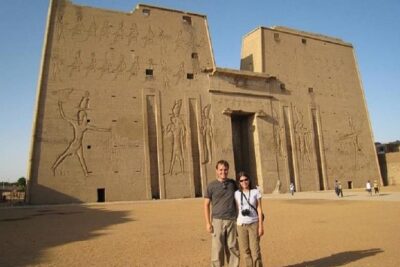
The Edfu visit begins around 6 a.m. This early start is not easy, but it serves a purpose. Edfu Temple is among the best-preserved temples in Egypt, dedicated to Horus, the falcon god. Its walls, columns, and reliefs give you a strong sense of what an intact Egyptian temple complex looks like.
You spend about two hours at the site, then return to the ship for navigation toward Luxor through the Esna Lock. The lock is a reminder that this is a working river route, not only a sightseeing corridor. The day has fewer major monuments than the others, giving you some time to enjoy the ship.
The Edfu timing is one of the clearest practical considerations. If you sleep poorly after Abu Simbel, getting up at 6 a.m. may feel tough. Still, skipping Edfu would mean missing one of the best-preserved temples on the journey, so I would keep the visit and plan for a quiet afternoon afterward.
You spend the third night on the ship, with Luxor ahead. The cruise package includes breakfast, lunch, and dinner for all three nights, along with the listed full-board service. Afternoon tea and entertainment add something to the long sailing hours, though the exact entertainment is not specified.
Day four: four major Luxor sites before mid-afternoon
The final day is packed with ancient monuments and a departure transfer. Disembarkation takes place in Luxor, followed by visits on the west and east banks.
The optional hot-air balloon ride is described as a 45-minute flight over the west bank. From the air, you look down on the pharaohs’ burial ground and the surrounding area. Because it is optional, confirm its price, meeting time, and whether it fits with the day’s other visits before booking it.
The Valley of the Kings is the main west-bank stop. More than 24 New Kingdom pharaohs had tombs carved into the mountain cliffs here. The visible valley is stark and dry, while the important sights are inside the tombs, where painted scenes and burial chambers reveal the beliefs of ancient Egypt’s rulers.
Entrance fees are extra, and tomb access can involve separate charges depending on what is open. The supplied information does not specify which tombs are included, so ask before the visit if there is a particular tomb you want to see.
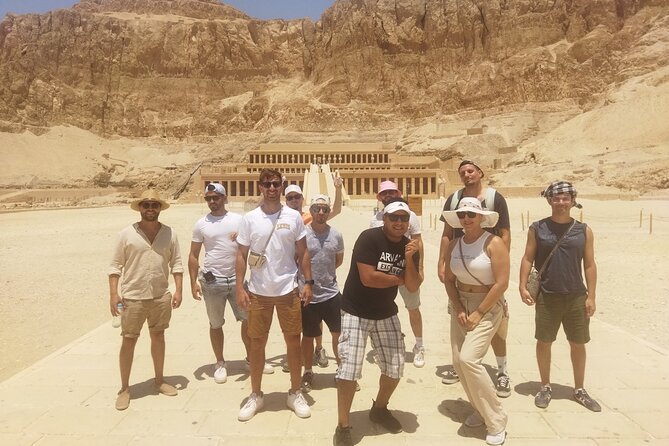
Next comes the Temple of Hatshepsut at Deir el Bahari. Hatshepsut was one of Egypt’s most famous female pharaohs, and the temple’s broad terraces are set against a dramatic cliff wall. One hour is scheduled here, which gives you time to understand the layout and take photographs, but not a leisurely exploration.
Karnak is the largest temple complex on the route and receives about two hours. It was dedicated largely to Amun and grew over generations, giving it the scale of a city rather than a single building. The columns, courtyards, and processional spaces help explain why Karnak can feel overwhelming even after several days of temples.
The final historical stop is Luxor Temple. It sits in the modern city and includes the avenue of sphinxes associated with the festival route. The visit lasts about an hour, after which the day is expected to finish around 2 p.m.
That early finish is useful if you need a transfer to a hotel, airport, bus station, or train station. It also makes the final day manageable on paper, though the balloon flight and four major sites create a demanding morning. Do not plan an important onward connection without allowing room for delays.
What the $480 price really covers
The $480 price includes three nights of accommodation on a 5-star Nile cruise, breakfast, lunch, dinner, the listed visits, the Abu Simbel bus tour, and transfers. Pickup is offered, and the package is designed for door-to-door movement from and to your hotel.
The tour description also refers to train tickets as included, but the itemized inclusions do not list them. I would confirm this in writing before paying or relying on a rail connection.
The main extra cost is admission to the archaeological sites. Tips for drivers, the Egyptologist, and the cruise crew are also excluded, as are personal expenses and Wi-Fi. These are not minor details, since the route includes many paid monuments.
The package can still be good value. You receive a ship, meals, transportation, and a guide over four days, and the maximum group size is 30. A group this size is not intimate, but it is manageable for major sites if the guide keeps everyone together.
The tour has a 4.6 rating from 11 ratings, with 91 percent recommending it. The strongest praise focuses on the buffet meals and the fact that a guide accompanied the group at each stop. One serious complaint describes missed timings, late changes, poor coordination with drivers, a long wait on the ship, and confusion about a Cairo transfer. The operator’s response disputes some of those details, so I would confirm every pickup, train, and departure arrangement before arrival.
Who will get the most from this cruise
I would choose this trip if you want the major Nile sites in a short, organized package and prefer having transport handled for you. It suits first-time visitors who want an Egyptologist at each location rather than trying to arrange guides independently.
It is also a good fit if Abu Simbel is high on your list. The early departure is hard, but the site is included in the route rather than left for a separate booking.
You should think twice if you dislike early mornings, fixed schedules, or group touring. Abu Simbel begins around 4 a.m., Edfu around 6 a.m., and the last day moves quickly from one monument to the next. The cruise gives you restful sailing hours, but the sightseeing itself is not leisurely.
The onboard pool and full-board meals help balance the demanding schedule. Still, the ship is a shared environment, and the maximum group size is 30. If you want long, unstructured visits or complete control over your daily pace, a private itinerary may suit you better.
Should you book the Aswan to Luxor cruise?
Book it if you want a strong first Nile experience with Abu Simbel, Philae, Kom Ombo, Edfu, and Luxor’s major sites in one package. The route is well chosen, the cruise adds a pleasant rhythm between visits, and the $480 base price covers many expensive-to-arrange elements.
Before booking, ask for a written breakdown of entrance fees, the optional balloon flight, train tickets, pickup times, and the exact transfer plan. If those details are clear, this is a useful, good-value choice for a busy four days in southern Egypt. If you need flexibility or dislike dawn starts, choose a slower cruise or a private plan instead.
FAQ
How long is the Nile cruise?
The experience lasts approximately four days and includes three nights aboard a 5-star Nile cruise from Aswan to Luxor.
What sites are visited?
The route includes the Aswan High Dam, Philae Temple, Abu Simbel, Kom Ombo, Edfu Temple, the Valley of the Kings, Hatshepsut Temple, Karnak Temple, and Luxor Temple.
Is Abu Simbel included?
A bus tour to Abu Simbel is included in the listed package. The visit begins around 4 a.m. and takes about eight hours in total.
Is the hot-air balloon ride included?
The hot-air balloon ride is optional. It is described as a 45-minute flight over Luxor’s west bank.
Are meals included?
Yes. The package includes three breakfasts, three lunches, and three dinners. The cruise also offers afternoon tea and onboard entertainment.
Are entrance fees included?
No. Entrance fees to the sites are not included. Tips, personal expenses, and Wi-Fi are also excluded.
How large is the group?
The maximum group size is 30 people. Pickup is offered, and transfers to or from a hotel, airport, bus station, or train station can be arranged.
Newly reviewed in Aswan
- 4-Days Nile Cruise From Aswan To Luxor Abu Simbel and Air Balloon★ 4.5 · 2 reviews
- Sailing Nile Cruise from Aswan to Luxor for 2 Nights★ 4.5 · 139 reviews
- Sailing Nile cruise from Aswan to Luxor includes tours for 3 nights★ 5.0 · 16 reviews
- 4-Day Nile Cruise: Aswan to Luxor & Abu Simbel + Hot Air Balloon★ 4.5 · 35 reviews
- 4-Days Aswan sails Nile Cruise Luxor &Abu Simbel.Hot air Balloon★ 4.5 · 77 reviews
- Luxor: 4-Night Nile cruise , Hot Air balloon , west bank , abu simbel★ 5.0 · 3 reviews
- 4 Days Nile Cruise &Hot Air Balloon on M/S Movenpick Royal Lilly★ 5.0 · 4 reviews
- Sailing Nile cruise from Aswan for 2 nights★ 4.0 · 11 reviews
Nile Cruises, compared side by side.
4-Days Nile Cruise From Aswan To Luxor including Abu Simbel and Hot Air Balloon
Read our review →
Dinner Cruise on the Nile River with Entertainment
Read our review →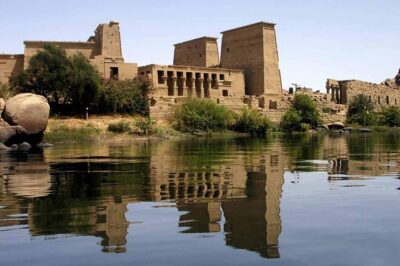
4-Day 3-Night Nile Cruise from Aswan to Luxor&Abu Simbel+Balloon
Read our review →
Nile Dinner Cruise with Belly Dancer Show with Pickup
Read our review →
4-Day 3-Night Nile Cruise from Aswan to Luxor including Abu Simbel, Air Balloon
Read our review →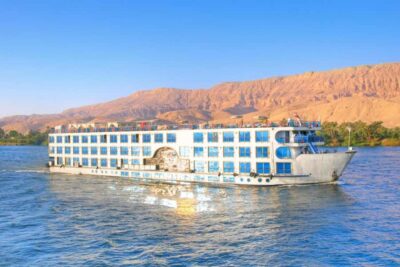
4-Day Nile Cruise from Aswan to Luxor with Guide
Read our review →Lists this trip appears in