
Review · ASWAN
2 nights Nile cruise includes tours from Aswan to luxor
The best thing about this three-day Nile cruise is how much ancient Egypt you can see without repacking every morning. You sail from Aswan to Luxor, stopping at temples, royal tombs, and great monuments while your cabin, meals, transfers, and most daily arrangements are handled for you.
I like two things in particular: the route moves with the Nile current, so the sailing can feel smooth, and the guides can add far more context than a quick visit on your own. Guides named Ahmed and Mohammed Shakour receive especially strong praise for clear explanations and efficient touring. The main drawback is that the schedule is tight, the boat may feel dated, and extra costs can add up.
Key points to know before booking
- Philae begins the journey: Visit the island temple of Isis and the Aswan High Dam before boarding the ship.
- Your cabin is private: You share the cruise boat but have your own ensuite cabin for two nights.
- The main sites come quickly: Edfu, Kom Ombo, the Valley of the Kings, Hatshepsut, Karnak, and Luxor Temple all fit into three days.
- Expect early starts: Edfu and the Luxor west-bank sites require prompt departures, and delays can mean a rushed visit.
- The $360 price needs a closer look: Meals, transport, guiding, and accommodation are included, but drinks, Wi-Fi, tips, the Philae motorboat, and possibly entrance fees are extra.
- Plan your departure carefully: The cruise ends in Luxor around 4 p.m. on the third day, making an evening departure the sensible choice.
A fast, practical way to see Upper Egypt
This cruise is designed for you if your time in southern Egypt is short but your sightseeing list is long. In three days, you cover the major ancient sites between Aswan and Luxor, with the river providing a welcome change from long road transfers.
The group size is capped at 15 people, which is small enough for a guide to keep the group together without the feel of a private tour. You are still part of a shared cruise, so the boat itself may carry other groups and the sightseeing stops can feel busy.
The biggest advantage is simple: you do not need to arrange separate taxis, trains, guides, hotels, or meals between Aswan and Luxor. Pickup is available from Aswan hotels, the airport, or the railway station. At the other end, you are dropped at a Luxor hotel, with west-bank drop-off available for an additional $10 per person.
More Nile Cruises in Aswan:
- 4-Days Nile Cruise From Aswan To Luxor including Abu Simbel and Hot Air Balloon
★ 5.0 · 3,142 reviews - 4-Day 3-Night Nile Cruise from Aswan to Luxor&Abu Simbel+Balloon
★ 5.0 · 2,023 reviews - 4-Day 3-Night Nile Cruise from Aswan to Luxor including Abu Simbel, Air Balloon
★ 4.5 · 612 reviews
Day one: Philae, the High Dam, and your first Nile sunset
Your first morning starts with pickup in Aswan. The opening visit is Philae Temple, dedicated to Isis, one of ancient Egypt’s most important goddesses. The temple sits on an island, so a motorboat is needed to reach it. That boat costs about $10 per person and is not included.
Philae is one of the most appealing stops on the route because the water setting changes the experience. You see the columns and reliefs with the Nile around you, rather than arriving at another monument beside a modern road. Give yourself time to look closely at the carved figures and inscriptions, but keep an eye on the group schedule.
Next comes the Aswan High Dam, completed in the 1960s. It is not an ancient monument, but it explains modern Egypt’s control of the Nile and the end of the annual floods that once shaped farming life. The stop is brief, yet it adds useful context to the river journey.
After the morning visits, you board the cruise and usually begin sailing around 2 p.m. The boat moves past the islands and riverbanks around Aswan, giving you a quieter stretch of the day. This is when the cruise earns its keep. Sit on the upper deck, watch the river traffic, and take photographs while the views change at a slower pace than they do from a minibus.
Lunch is the first included meal, and food continues through breakfast on the final morning. Several accounts describe the meals as plentiful and hygienic, while others found them plain or repetitive. I would expect practical buffet-style food rather than fine dining.
Kom Ombo is part of the southern route and may be visited on the first day, depending on sailing conditions. The temple is unusual because it is dedicated to two gods, Sobek and Horus, with a layout that reflects the pairing. It is also a good place to see how religious centers combined worship, medical beliefs, and stories about royal power.
The exact order can change. River traffic, docking, and sailing conditions may shift the timing, but the operator says the listed stops will still be covered. That flexibility matters, since a Nile cruise is not a train timetable.
Day two: Edfu, carriage transport, and the Esna lock
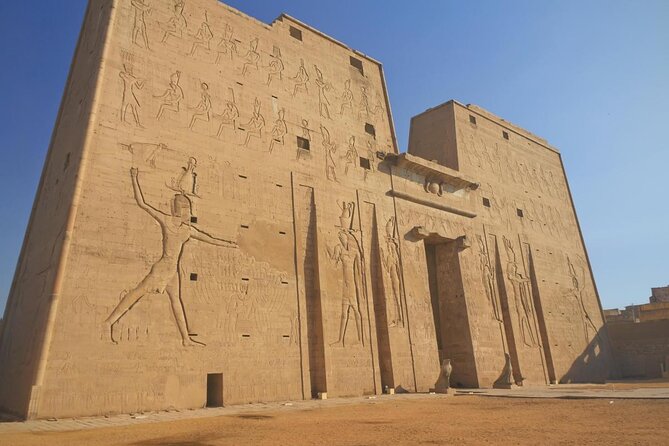
The second day begins early with a horse-and-carriage ride to Edfu Temple. This is one of the tour’s more distinctive transfers, though it also requires you to be ready on time. The trip to the temple can take about 30 minutes, and missing the early departure may mean missing the visit.
Edfu is dedicated to Horus and contains scenes tied to the conflict between Horus and Seth. Its large scale and comparatively well-preserved reliefs make it one of the strongest temple stops on the cruise. Your guide can help you read the wall scenes instead of treating them as rows of unfamiliar figures.
The carriage ride adds local character, but it may not suit everyone. If you prefer independent transport or feel uncomfortable with horse-drawn vehicles, this is worth considering before you book. The tour description includes the carriage, so it is part of the planned visit rather than an optional extra.
After Edfu, the ship continues north. Afternoon tea is served during sailing, and this is one of the better chances to rest. The sightseeing days are packed, so a few hours on deck can keep the trip from becoming a string of hot, hurried temple visits.
The boat passes through the Esna lock on the way to Luxor. A lock raises or lowers the ship to handle the difference in water level. It is a working part of the river system, not a grand monument, but it gives you something different to watch from the sun deck.
Arrival in Luxor is expected around 7 p.m., followed by an overnight stay on the ship. By this point, you will have spent much of the day moving between stops and sailing, so the second night is less about entertainment and more about getting ready for an early final day.
Day three: royal tombs and Luxor’s great temples
The final day brings the biggest concentration of famous sites. You begin on Luxor’s west bank at the Valley of the Kings, where pharaohs were buried in rock-cut tombs. The heat, uneven ground, and early departure make practical clothing and sturdy shoes useful.
The listed tombs include King Tutankhamun, Ramesses VI, Thutmose, and Amenhotep II. Tomb access can vary, and the standard admission may not cover every special tomb. Confirm the current entry details before you arrive, since the cost of optional tombs can affect your budget.
The Valley is not a place to rush through with your camera raised. The paintings and symbols inside the tombs are often more impressive than the dry valley outside. A good Egyptologist guide can explain why the decoration changes from tomb to tomb and how the royal burial program worked.
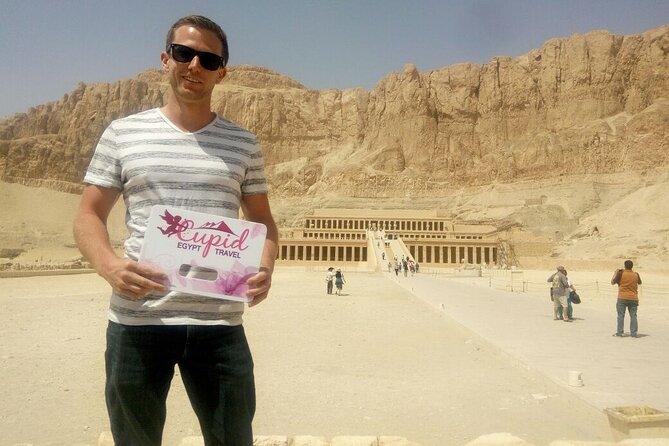
From there, you visit the Temple of Hatshepsut at Deir el-Bahari. Hatshepsut ruled as pharaoh and commissioned this temple against the cliffs. Its terraces and broad lines give it a different feel from the enclosed temples at Edfu and Kom Ombo.
The Colossi of Memnon are the next stop. These twin statues of Amenhotep III once guarded a much larger complex. One statue was damaged by an earthquake, and the visit is short, but the scale is still striking.
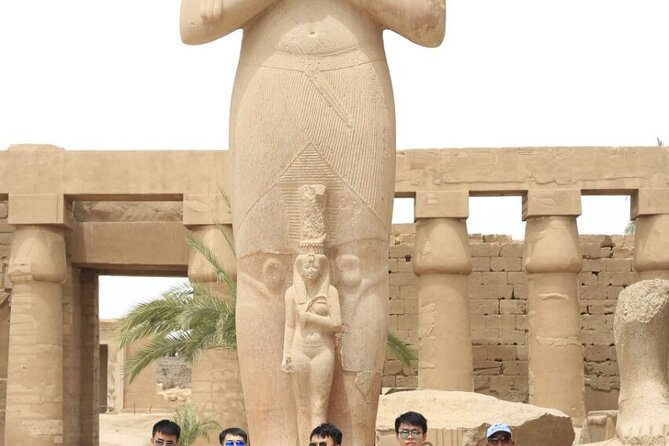
The group then crosses to Luxor’s east bank for Karnak Temple and Luxor Temple. Karnak is vast, so a guided visit is particularly useful. The hypostyle hall, with its forest of columns, can be hard to understand without someone pointing out how the spaces were used and expanded by successive rulers.
Luxor Temple is usually the final major stop. Its location in the modern city makes the contrast with the west bank especially clear. The temple is best appreciated as a ceremonial center connected to royal processions, not just another set of columns.
The schedule is demanding. Some people appreciate seeing the highlights in one sweep, while others find Karnak and Luxor Temple too rushed. If you want long, quiet visits at every monument, three days is not enough. If you want a well-organized introduction to Upper Egypt, the pace is reasonable.
More River Cruises in Aswan:
- From Aswan: 4-Day Nile Cruise from Aswan to Luxor with Guide
★ 4.1 · 593 reviews - 4-Days Nile Cruise From Aswan To Luxor including Abu Simbel and Hot Air Balloon
★ 4.5 · 509 reviews - 4-Day 3-Night Nile Cruise from Aswan to Luxor – Private Tour
★ 5.0 · 369 reviews - 4 Days Nile Cruise from Aswan to Luxor including Abu Simbel and Hot Air Balloon
★ 4.5 · 356 reviews
What the boat is really like
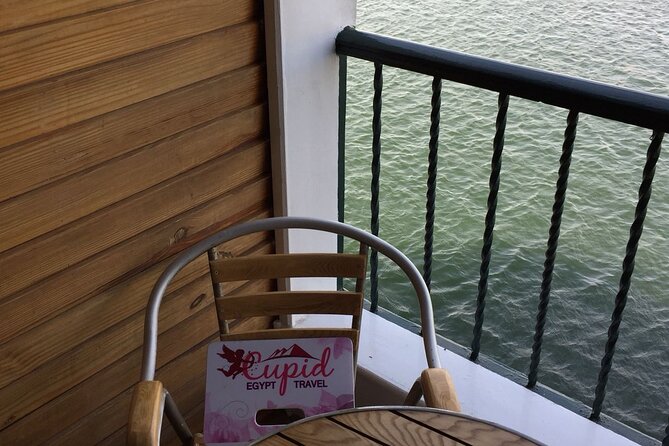
The cruise is described as a five-star Nile boat, but you should keep your expectations measured. The standard is not necessarily the same as a five-star international hotel. Boats can vary, and the ship name may not be confirmed until close to departure.
Cabins include a private bathroom, refrigerator, bed, and basic cruise facilities. Several accounts describe clean, comfortable rooms and friendly staff. Others report dated decor, dirty towels, broken hairdryers, or equipment that did not work properly. The sensible approach is to book for the route and convenience, not for luxury interiors.
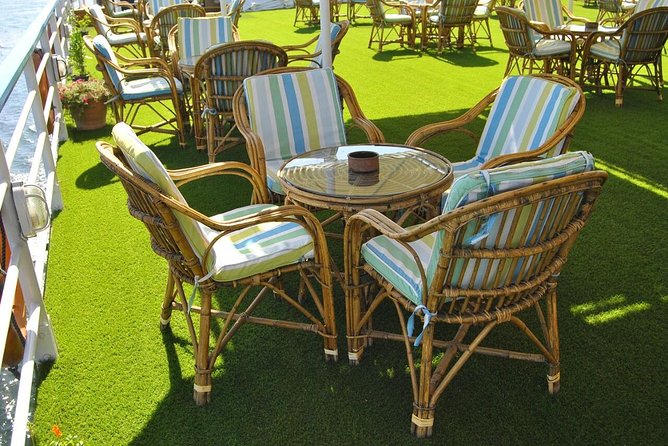
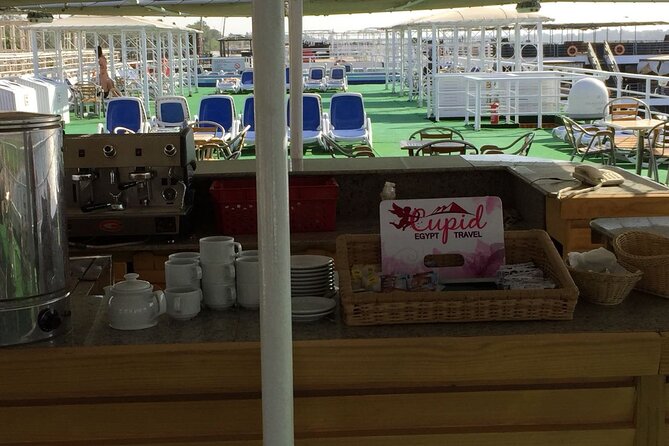
The ship has a swimming pool and entertainment, though the main pleasure is the river itself. The upper deck gives you space to watch villages, islands, farms, and passing boats. Bring patience for the possibility of docking beside other ships, engine noise, or a less-than-perfect view from the cabin.
Food receives mixed reactions. Some diners found it surprisingly good, while others found it bland. It is included and generally described as abundant, but you may want a few snacks if you are particular about meals.
Water and drinks cost extra, and prices onboard can be high. Bring bottled water with you if practical. Wi-Fi also costs extra and may not be dependable, so download maps and important information before boarding.
The guide can make or break the experience
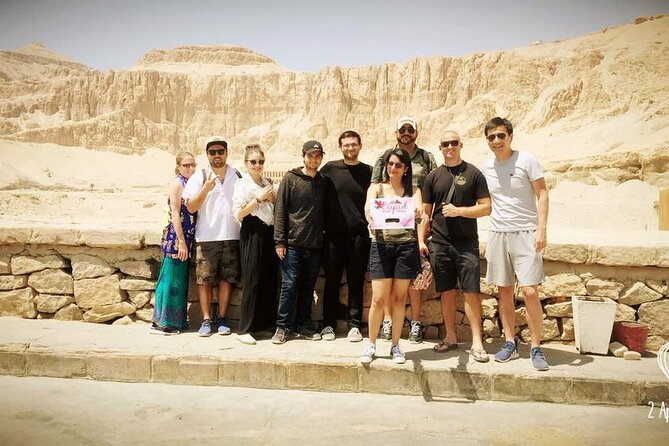
The guide is a major part of the value here. Ahmed receives praise for detailed explanations, good organization, and keeping the group moving without skipping the main points. Mohammed Shakour is praised for explaining individual hieroglyphs, adding stories at the temples, and offering practical advice without pushing purchases.
That difference matters. Ancient Egyptian sites can blur together when you visit several in a short period. A strong guide gives each place a distinct purpose and helps you understand what you are seeing.
Guide quality can vary, and one poor experience was reported at Aswan. I would confirm the guide arrangement before departure, especially if you are also considering hiring someone privately. The tour includes an Egyptology guide, so booking another guide without clarifying the plan could mean paying twice.
Shopping stops may be part of organized sightseeing in Egypt. Ask your guide about the schedule and make it clear if you prefer more time at the monuments. The strongest guides described here helped visitors avoid pressure and adjusted parts of the day when needed, but that level of service cannot be guaranteed by a name alone.
Is $360 a good value?
At $360 per person, the price is attractive for two nights of accommodation, meals, transfers, a shared cruise, guide service, and a long list of major sites. You are also paying for convenience. Recreating the same route independently would require arranging transport between Aswan and Luxor, finding temple guides, booking accommodation, and managing the sailing schedule.
The price is less appealing if entrance tickets are not included. The tour information says the listed excursions and sites are included, but several accounts indicate that admission charges were extra, with one estimate of about $100 per person. Confirm this in writing before booking.
You also need to budget for tips, bottled drinks, Wi-Fi, the Philae motorboat, and any optional experiences. A hot-air balloon ride in Luxor and an Abu Simbel visit can be arranged for an additional cost, but neither is part of the basic three-day package.
For an independent visitor who enjoys arranging every detail, the tour may feel expensive. For you if time is limited, the added cost buys a lot of structure and removes many common hassles.
Who should book this cruise?
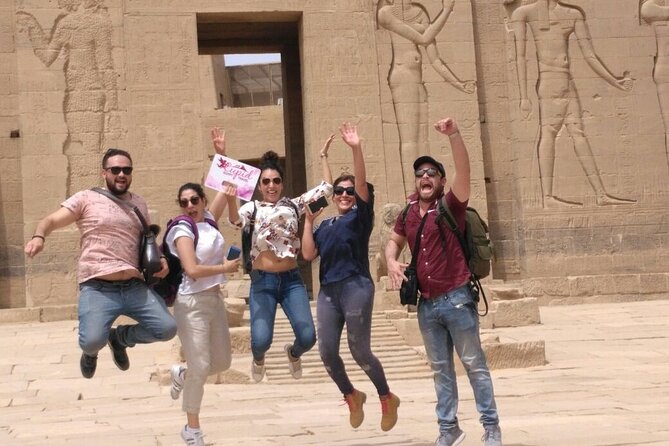
This experience suits first-time visitors to southern Egypt, couples, families, and anyone arriving in Aswan by train or plane and wanting to finish in Luxor. Most people can participate, and the group size is limited to 15.
It is also a good match for you if you want the classic Nile experience but do not want a week on a boat. Three days gives you the central stretch of river, the most important temples, and the royal tombs without letting the cruise take over your whole Egypt trip.
You may want another option if you dislike fixed schedules, group touring, early mornings, or older accommodation. Independent visitors can spend more time at each site and choose their own transport, though they will need to handle the planning themselves.
For families, note that children from 6 to 11 sharing with parents can be accommodated, with a maximum of two children in one room. A child aged 6 to 11 traveling with one adult is treated as an adult for booking purposes.
Practical details that affect your plans
Pickup is available from Aswan east-bank hotels, with west-bank pickup costing an extra $10 per person. Luxor east-bank hotel drop-off is included, while west-bank drop-off also costs an extra $10 per person.
If you want a private room, book for one person. A group of three receives one triple room, unless one person makes a separate single booking.
The cruise finishes around 4 p.m. on day three. An evening departure from Luxor is recommended, since traffic or a delayed site visit could make an earlier flight or train uncomfortable.
Free cancellation is available up to 24 hours before the local start time. Changes or cancellations inside that window are not accepted for a refund.
Should you book it?
Book this cruise if you want to cover Aswan and Luxor efficiently, value a strong Egyptologist guide, and like having transport, meals, and accommodation arranged in one package. The river views, private cabin, and sequence of temples make this a practical introduction to Upper Egypt.
Before paying, confirm the ship name, entrance fees, pickup point, guide arrangements, and the exact room setup. Go in expecting a clean but possibly dated boat, basic food, early mornings, and a fast sightseeing pace. With those expectations, this can be one of the simplest ways to see the Nile’s essential sites in three days.
FAQ
How long is the Nile cruise?
The cruise lasts approximately three days and includes two nights onboard, traveling from Aswan to Luxor.
What meals are included?
Meals begin with lunch on the first day and end with breakfast on the third day. Drinks and bottled water are not included.
Is the cabin private?
Yes. You share the cruise boat with other passengers, but you receive a private cabin with an ensuite bathroom for the two nights.
Which sites are visited?
The program includes Philae Temple, the Aswan High Dam, Kom Ombo Temple, Edfu Temple, the Valley of the Kings, the Temple of Hatshepsut, the Colossi of Memnon, Karnak Temple, and Luxor Temple.
Is the Philae motorboat included?
No. The Philae motorboat costs about $10 per person.
Are tips and Wi-Fi included?
No. Tips are recommended but not included, and Wi-Fi on the cruise costs extra.
Can I be picked up from an Aswan hotel?
Yes. Pickup is available from Aswan east-bank hotels, with west-bank pickup available for an additional $10 per person. Pickup is also available from the Aswan airport or railway station.
What time does the tour end in Luxor?
The tour ends around 4 p.m. on the third day. An evening departure from Luxor is recommended.
Newly reviewed in Aswan
- 4-Days Nile Cruise From Aswan To Luxor Abu Simbel and Air Balloon★ 4.5 · 2 reviews
- Sailing Nile Cruise from Aswan to Luxor for 2 Nights★ 4.5 · 139 reviews
- Sailing Nile cruise from Aswan to Luxor includes tours for 3 nights★ 5.0 · 16 reviews
- 4-Day Nile Cruise: Aswan to Luxor & Abu Simbel + Hot Air Balloon★ 4.5 · 35 reviews
- 4-Days Aswan sails Nile Cruise Luxor &Abu Simbel.Hot air Balloon★ 4.5 · 77 reviews
- Luxor: 4-Night Nile cruise , Hot Air balloon , west bank , abu simbel★ 5.0 · 3 reviews
- 4 Days Nile Cruise &Hot Air Balloon on M/S Movenpick Royal Lilly★ 5.0 · 4 reviews
- Sailing Nile cruise from Aswan for 2 nights★ 4.0 · 11 reviews
Nile Cruises, compared side by side.
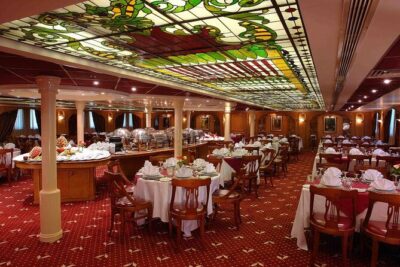
4-Days Nile Cruise From Aswan To Luxor including Abu Simbel and Hot Air Balloon
Read our review →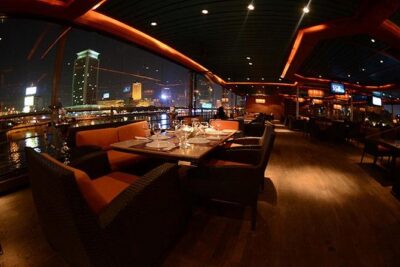
Dinner Cruise on the Nile River with Entertainment
Read our review →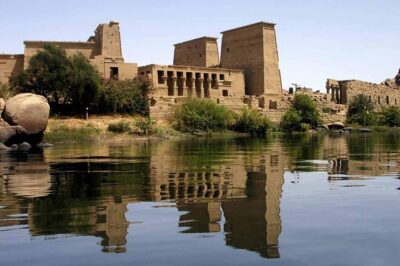
4-Day 3-Night Nile Cruise from Aswan to Luxor&Abu Simbel+Balloon
Read our review →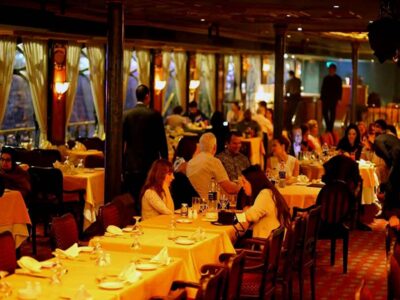
Nile Dinner Cruise with Belly Dancer Show with Pickup
Read our review →
4-Day 3-Night Nile Cruise from Aswan to Luxor including Abu Simbel, Air Balloon
Read our review →
4-Day Nile Cruise from Aswan to Luxor with Guide
Read our review →Lists this trip appears in