
Review · PORTO
Porto Six Bridges Panoramic Cruise on the Douro River
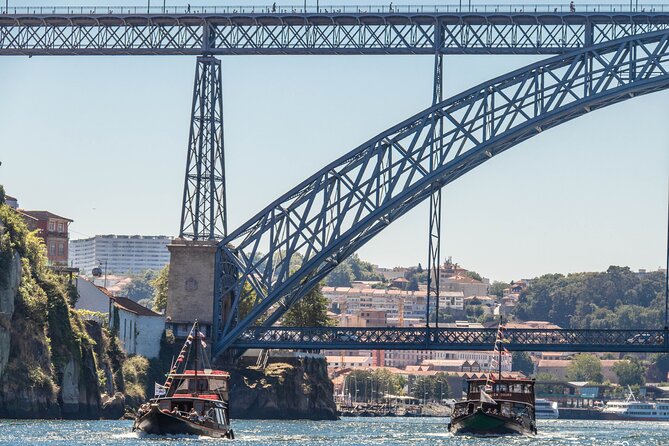
Porto’s six bridges make the most sense from the water. From a Douro River boat, you can look up at the iron arch of D. Maria Pia, pass beneath the famous Dom Luís I Bridge, and see Porto and Vila Nova de Gaia rising on opposite banks. It is a simple ride, but the river gives you views that streets and viewpoints cannot.
I like the 50-minute length, which fits neatly into a busy day, and I like the open ticket, since you can choose a departure that suits your schedule. The main catch is that this is a panoramic cruise first and a history tour second. Commentary may be recorded, hard to hear, or poorly timed, and no live guide is guaranteed.
Key points to know before you board
- Six bridges in one short ride: The route passes beneath all six bridges crossing the Douro between Porto and Gaia.
- Open ticket flexibility: Boats leave from both Porto and Gaia, and you can board within the stated operating hours rather than selecting one fixed departure time.
- The best views are outside: Open-air seating gives you the clearest sightlines and better photographs, but covered seating is more comfortable in strong sun or poor weather when available.
- Expect a panoramic cruise, not a guided tour: Audio or multilingual commentary may be offered, but it is not guaranteed and can be difficult to follow.
- The departure area can be confusing: Several companies offer similar Six Bridges cruises along the waterfront, so check the operator name and ticket carefully.
- Good value for a short activity: At about $21.69 per person, the cruise works best as an easy viewpoint experience rather than a full cultural tour.
Why the Douro is the right place to see Porto
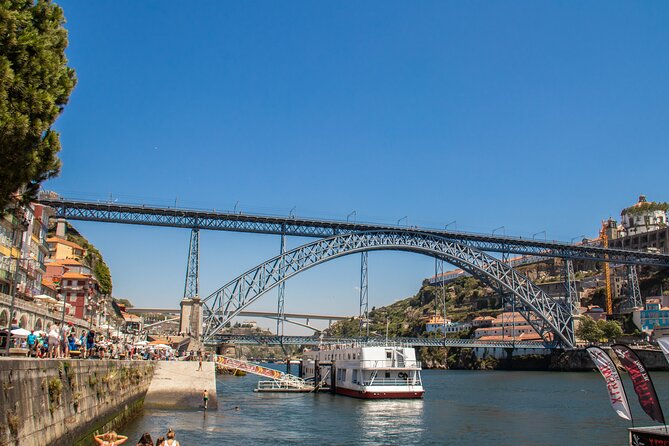
Porto is often experienced from steep lanes, stone viewpoints, and crowded bridges. The Douro offers a calmer angle. As your boat moves between Porto on the north bank and Gaia on the south bank, you see the layered hills, colorful buildings, churches, quays, and bridges as one connected scene.
That change of viewpoint is the real reason to book. You are not simply ticking off six pieces of infrastructure. You are watching how the city grew around its river. The banks rise sharply in places, and the bridges frame the old urban core in a way that is hard to appreciate from land.
The ride is especially useful early in a Porto visit. It gives you a visual map of the riverfront before you spend time exploring on foot. You can spot the areas you want to revisit, get a sense of the distance between Porto and Gaia, and enjoy the city without climbing another hill.
The boat moves at a leisurely pace. That makes the cruise relaxing, but it also means the experience depends heavily on the weather and your expectations. If you want a detailed account of Porto’s past, book a walking tour separately. If you want good river views with very little effort, this fits well.
More Douro River Cruises in Porto:
- From Porto: Douro Valley w/ Boat Tour, Wine Tasting & Lunch
★ 4.7 · 19,061 reviews - Complete Douro Valley Wine Tour with Lunch, Wine Tastings and River Cruise
★ 5.0 · 12,920 reviews - Porto: 6 Bridges Douro River Cruise
★ 4.3 · 6,472 reviews
Boarding from Porto or Gaia
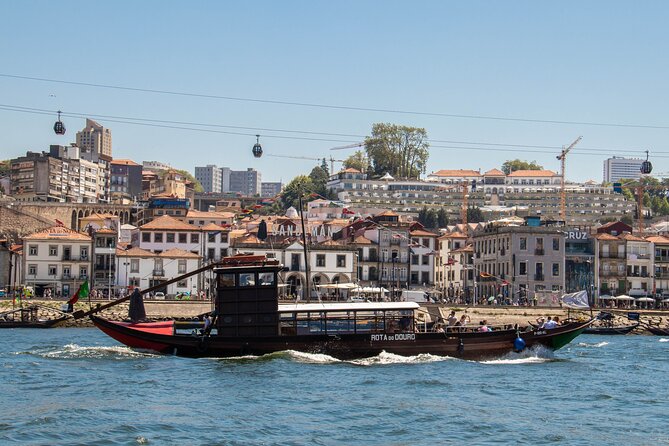
You can join the cruise from either side of the Douro. This is useful because you do not need to cross the Dom Luís I Bridge simply to reach the departure point. The waterfront areas are near public transportation, and the activity is suitable for most people, with children accompanied by an adult.
Allow extra time to locate the correct check-in stand. Several companies run similar bridge cruises, and their boats and booths can be close together. The practical move is to show your phone ticket before joining a line and confirm that the staff accepts it. Some passengers have found the correct booth only after being directed to another tent nearby.
The open ticket is convenient, but it has a tradeoff. You can arrive during the operating window, yet you may need to wait for the next available boat. One passenger arrived early and spent the spare time walking around the riverfront, which is a sensible way to handle the flexible system.
The stated hours are 10:30 a.m. to 6 p.m. from April through September, and 11 a.m. to 4 p.m. from October through March. Boats operate daily within those hours, subject to navigation, weather, and the minimum number of participants needed for the activity to run.
What the six-bridge route shows you
The cruise is built around six bridges, and each one has a different shape, age, and purpose. The ride normally heads along the Douro to show the bridges in sequence, then returns to the original departure point after roughly 50 minutes to one hour.
D. Maria Pia Bridge
The D. Maria Pia Bridge is one of the most graceful sights on the route. Designed by Gustave Eiffel, it was once the largest iron arch bridge in the world. Today it is a National Monument and a reminder of the era when railway connections were reshaping Portugal.
From the river, the bridge’s huge metal arch is easier to appreciate than from a nearby street. You can see how lightly the structure appears to rest above the water, despite its size. It is an excellent subject for photographs, especially when the boat passes directly beneath or beside it.
The bridge is no longer the main railway crossing, but its engineering value remains clear. If the onboard commentary is working well, you may hear some of this background. If not, the structure still speaks for itself.
More River Cruises in Porto:
- Douro Valley: Wine Tour with Lunch, Tastings & River Cruise
★ 4.6 · 6,081 reviews - Porto: Guided Tour by Tuk-Tuk & Optional Douro River Cruise
★ 4.5 · 5,980 reviews - Authentic Small Group Douro Wine Tour with Lunch & River Cruise
★ 5.0 · 4,775 reviews - Porto: River Douro 6 Bridges Cruise
★ 4.3 · 4,168 reviews
Dom Luís I Bridge
The Dom Luís I Bridge is Porto’s signature bridge and the visual center of the cruise. Its two levels connect Porto and Gaia, and the upper span is especially prominent above the riverfront.
The boat gives you an upward view of the bridge’s metal framework and the steep urban slopes around it. This is one of the best moments for photographs because the bridge, old city, and river often fit into the same frame.
From the water, you also gain a better sense of the bridge’s role. It is not just a landmark for photographs. It is a working link between two parts of the city, with Porto and Gaia facing each other across the Douro.
Arrábida Bridge
The Arrábida Bridge is a broad concrete arch built in 1963 to handle growing road traffic and provide another connection between Porto and Gaia. At the time, its reinforced concrete arch was the largest of its kind in the world.
It has a different character from the older iron bridges. Instead of delicate metalwork, you see a sweeping, powerful curve. The contrast helps make the cruise more interesting: Porto’s river crossings are not all variations on one design.
The Arrábida Bridge also marks a change in the river scenery. As the boat moves farther from the old center, the setting feels less tightly packed. You still have strong views of both banks, but the river begins to feel broader and more open.
São João Bridge
The São João Bridge was built to replace the D. Maria Pia railway crossing. Its modern form adds another period to the story of Porto’s transport network.
The bridge is also linked to archaeological discoveries made during construction. Remains of a Roman road and a medieval shipyard were found at the site, offering a glimpse into how long this river corridor has been used.
This is a good example of why the route benefits from at least some explanation. The structure itself may not be as instantly famous as Dom Luís I, but its purpose and the discoveries connected with it give the river a longer story.
Freixo Bridge
The Freixo Bridge is the farthest upstream of Porto’s six bridges. Opened in 1995, it is a road bridge connecting Gaia and Porto.
By the time you reach Freixo, you have seen the riverfront change from the dense historic center to a more open section. The bridge is less ornate than the older crossings, but it helps complete the route and gives you the satisfaction of seeing all six.
The farthest point is also a useful marker for the cruise’s rhythm. The boat continues upstream, passes the final bridge, then turns back toward the original departure area. You are not signing up for a long river voyage beyond Porto.
Infante Dom Henrique Bridge
The Infante Dom Henrique Bridge is the newest of the six and is named for Infante Dom Henrique, who was born in Porto and promoted Portugal’s overseas expansion.
Its modern design contrasts sharply with D. Maria Pia and Dom Luís I. Seeing the bridges together makes the river feel like a timeline of changing technology, transport needs, and city growth.
Depending on where you board and the boat’s exact position, the order in which you notice the bridges may vary. The important point is that the route is designed to pass under all six, not simply to circle the two most famous ones.
Seating, photographs, and commentary
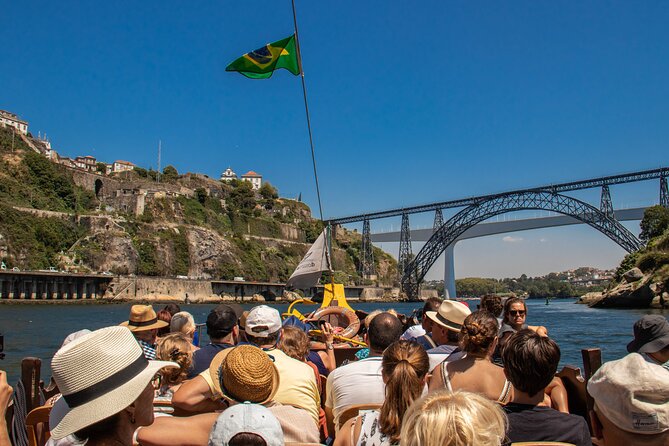
Boats generally offer open-air and covered areas, but the exact arrangement depends on the vessel. Some boats have comfortable seating, while others may use plain wooden benches with little or no back support. Do not assume that every boat in the area has the same facilities.
If you want photographs, choose an outside position when possible. The open deck gives you a wider view of both banks and makes it easier to photograph the bridges as you approach them. Arriving around 15 minutes before departure can help you get a preferred seat, although the open ticket means that waiting for the next boat may be necessary.
The outside deck has drawbacks. It can be sunny, windy, or uncomfortable in poor weather. Covered seating may give you more protection, but on some boats it can limit your view or make the commentary easier to hear only from inside.
The audio experience is inconsistent. Some departures provide commentary in English, French, Spanish, and Portuguese, and it can be clear enough to add useful context. On other departures, the recording is too quiet, the English version is out of sync with the scenery, or the audio points out a bridge before or after the boat reaches it.
A small sign may provide a way to download audio to your phone, but this is not guaranteed as part of the experience. The official information makes clear that neither a guide nor an audio guide is assured. Think of any commentary as a possible bonus, not the reason to book.
Is the $21.69 price fair?
At about $21.69 per person, the cruise is reasonably priced if you value the river views and want a short, easy activity. You get roughly 50 minutes on the water and a route that covers all six bridges. For a first visit, that can be a useful addition to a day of sightseeing.
The value drops if you expect a polished historical presentation. There is no hotel pickup, food, or drink included, and personal expenses are your responsibility. More important, the cruise does not promise a live guide or dependable narration.
On-site prices can differ from online prices. One passenger found a lower price at the waterfront, reportedly around 20 euros, but prices and availability can change. Online booking gives you confirmation and free cancellation up to 24 hours before the start time, while buying locally may suit you if you are already at the river and want to compare departures.
I would not pay a premium for this cruise expecting a luxury boat or a detailed tour. I would pay it for the convenient viewpoint, short duration, and chance to pass under every bridge without planning a complicated route.
Weather, timing, and who will enjoy it
Morning is a good time to go if you want softer light for photographs. One practical advantage of an early departure is that you can complete the ride before the day fills with other plans. Afternoon departures are also useful if you want a relaxed break after walking around the historic center.
The activity requires good weather. If poor conditions force a cancellation, you can receive a different date or a full refund. The cruise operator also controls the final decision based on navigation and safety conditions.
This experience suits you if you:
- Want a gentle activity with limited walking
- Enjoy architecture and city views more than formal guiding
- Have only an hour to spare
- Are visiting Porto and Gaia on the same day
- Want photographs from the water
- Are traveling with children who may enjoy the boat ride
You may prefer another option if you need detailed historical explanation, a guaranteed guide, or a highly organized check-in process. The cruise has a maximum capacity of 100 people, so it is not an intimate private outing.
Should you book the Six Bridges Cruise?
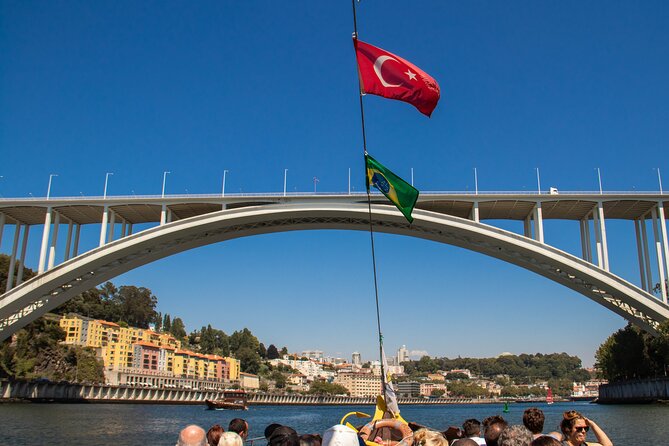
Yes, if you see it as a scenic river ride with architectural highlights. The six bridges, the hills of Porto and Gaia, and the view back toward the old riverfront make the outing worthwhile, especially for a first visit or a day when you want a break from steep streets.
Book with realistic expectations. Arrive early, verify the correct operator stand, keep your phone ticket ready, and ask where the covered and open-air seats are. Take the best outside seat you can find, but bring sun protection and be ready for wind.
I would choose this cruise for the view, not the narration. If you want a calm 50 minutes and a fresh look at Porto’s riverfront, it is a sensible buy. If learning the story of every bridge is your main goal, spend your money on a guided walking tour and treat the cruise only as a visual extra.
FAQ
How long does the Six Bridges Cruise last?
The cruise lasts approximately 50 minutes, though some information describes the return as roughly one hour after departure.
How many bridges does the boat pass?
The route passes beneath all six bridges crossing the Douro between Porto and Vila Nova de Gaia.
Which bridges are included?
The route includes D. Maria Pia, Dom Luís I, Arrábida, São João, Infante Dom Henrique, and Freixo bridges.
Can I board from Porto or Gaia?
Yes. Boats leave from both Porto and Vila Nova de Gaia.
Do I need to choose a fixed departure time?
No fixed time is required with the open ticket, but you must board during the operating hours. You may need to wait for the next available departure.
What are the operating hours?
From April through September, the cruise operates daily from 10:30 a.m. to 6 p.m. From October through March, hours are 11 a.m. to 4 p.m.
Is a guide or audio commentary included?
A guide or audio guide is not guaranteed. Some boats offer recorded multilingual commentary, but its clarity and timing can vary.
Is food or drink included?
No. Food, drinks, hotel pickup, hotel drop-off, and personal expenses are not included.
What happens if bad weather cancels the cruise?
If poor weather causes cancellation, you will be offered another date or a full refund. Free cancellation is also available when you cancel at least 24 hours before the experience start time.
Newly reviewed in Porto
- From Porto: Small Group Douro Valley Tour with Wine & Cruise★ 4.8 · 351 reviews
- From Porto: Private Douro Valley Tour with Cruise and Wine★ 5.0 · 69 reviews
- Day Cruise from Porto to Pinhão with Breakfast and Lunch★ 4.1 · 272 reviews
- From Porto: Small-Group Douro Valley Wine Tour Lunch & Boat★ 5.0 · 4 reviews
- From Porto: Douro River Cruise, Winery Visit & Lunch★ 3.7 · 103 reviews
- Porto: Douro Valley Private Tour 2 Vineyards & River Cruise★ 4.9 · 14 reviews
- Douro River Cruise with Cheese & Tonic Porto in a Sailboat★ 5.0 · 7 reviews
- Douro River Cruise with Port Tasting and Lunch★ 5.0 · 3 reviews
Douro River Cruises, compared side by side.
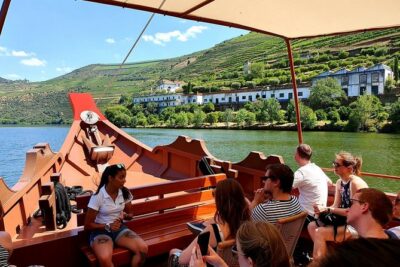
Complete Douro Valley Wine Tour with Lunch, Wine Tastings and River Cruise
Read our review →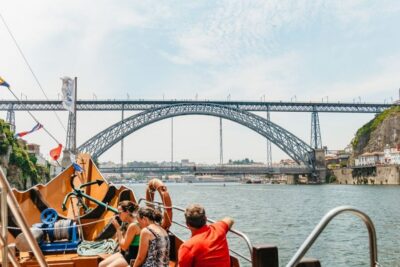

Douro Valley: Wine Tour with Lunch, Tastings & River Cruise
Read our review →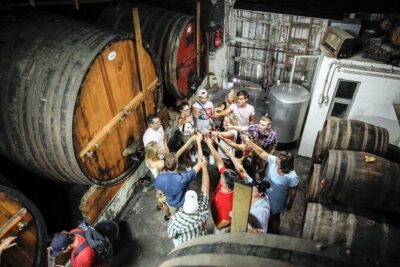
Authentic Small Group Douro Wine Tour with Lunch & River Cruise
Read our review →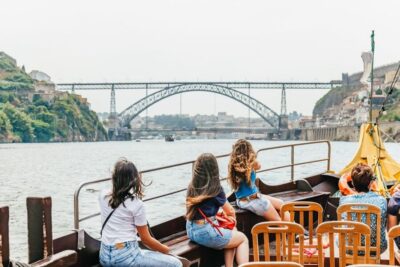
Douro Valley Tour: 2 Vineyard Visits, River Cruise, Winery Lunch
Read our review →
Douro Valley Tour: Visit 2 Wineries, Lunch & River Cruise
Read our review →
Douro Valley Tour – 3 Wine tastings, Lunch & river Cruise
Read our review →Lists this trip appears in