
Review · CHINA
China Trip to Beijing, Xi’an, Chengdu, Shanghai & Yangtze Cruise
The Great Wall, the Terracotta Army, giant pandas, and the Yangtze River all appear in one carefully packed trip. That is the real appeal here: you get China’s headline sights, but also a hutong rickshaw ride, Xi’an’s Muslim Quarter, Chengdu tea culture, and a river journey through the Three Gorges.
I like the private guides and drivers, since they take care of station transfers and hotel check-ins in a country where transport can feel daunting. I also like the high-speed rail links, which let you travel between Beijing, Xi’an, Chengdu, Chongqing, and Shanghai without booking domestic flights.
The tradeoff is pace. Several days include long train rides or transfers, and the trip covers five major regions in 13 days. You will see a great deal, but you will not have much spare time for wandering on your own.
Key points to know before booking
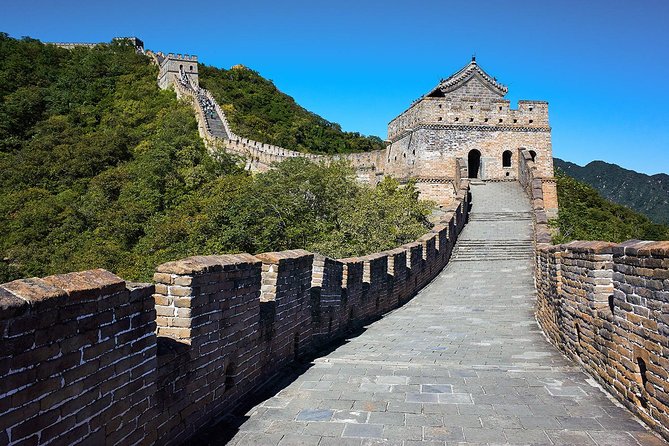
- Mutianyu Great Wall includes a round-trip cable car, saving you a tiring climb and leaving more energy for the wall itself.
- The Terracotta Army and Great Wall are the two major bucket-list stops, with dedicated visits rather than quick photo stops.
- Chengdu adds a gentler side of China, from panda care and local snacks to tea drinking at People’s Park.
- The Yangtze cruise includes full board, onboard programs, the Three Gorges, and the Three Gorges Dam.
- The tour uses private guides and vehicles, but the minimum booking is two people and a solo room supplement applies.
- The $3,199 price includes much of the costly groundwork, including hotels, rail tickets, cruise meals, admission fees, and several other meals.
A fast start in Beijing

Your tour begins with airport pickup at Beijing Capital International Airport. A local guide meets you and takes you to your hotel, leaving the rest of the first day free.
That open afternoon matters. After an international flight, you may prefer a quiet meal and an early night rather than a forced sightseeing session. The itinerary does not specify the hotel location or check-in time, so treat day one as a buffer rather than a full touring day.
Beijing sightseeing begins with Tiananmen Square. The stop is brief, but it gives you the right geographic starting point before you enter the Forbidden City. Expect a large open public space, security procedures, and a short introduction rather than a long visit.
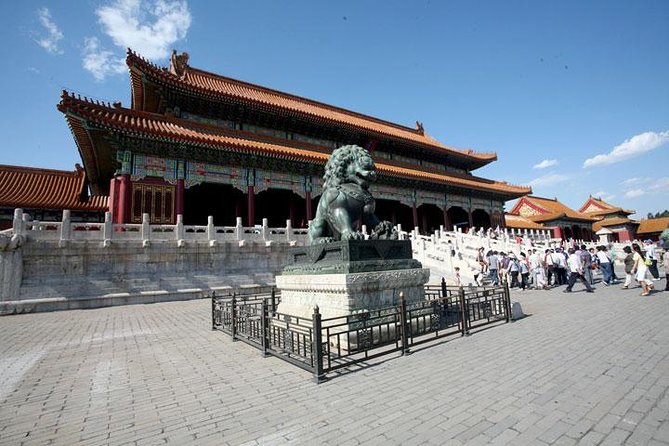
From there, you enter the Forbidden City, now called the Palace Museum. Three hours gives you time to see the main imperial courtyards, ceremonial halls, living quarters, and art collections without racing through every building. Your guide can help explain how the emperor’s court worked, which makes the complex more than a succession of grand gates.
Lunch is included at a local restaurant, with a stated value of CNY150 per person. It is an à la carte meal, so you can sample Chinese dishes without having to solve the first restaurant decision of the trip yourself.
The Lama Temple offers a different mood. This former imperial lamasery combines Han, Mongolian, and Tibetan elements, and its age and religious purpose contrast nicely with the political scale of the Forbidden City. You then visit the Temple of Heaven, where emperors prayed for good harvests. I like this pairing because it shows how government, faith, and agriculture were tied together in imperial China.
More Li River and Yangtze Cruises in China:
- Huangpu Night Cruise: Cozy Vibe & Modern Shanghai Glow
★ 4.3 · 520 reviews - Private Evening Tour: VIP Huangpu River Cruise and Shanghai Lights
★ 5.0 · 150 reviews - 1 Day Li River Cruise from Guilin to Yangshuo with Private Guide & Driver
★ 5.0 · 148 reviews
The Great Wall at Mutianyu, then old Beijing lanes
Day three brings the tour’s most famous sight. At Mutianyu, you have about three hours on the Great Wall, with a round-trip cable car included.
That cable car is a practical advantage. The wall includes steep sections, so saving your legs on the approach leaves more strength for walking along the battlements. You will have time to look across the ridgelines and see the wall run away into the distance, rather than simply arrive, take a picture, and leave.
The schedule then passes the Bird’s Nest, Beijing’s Olympic stadium. This is an exterior drive-by, not a stadium visit, and admission is not included. Think of it as a quick look at modern Beijing rather than a major stop.
The hutong tour brings the day back to street level. A rickshaw ride through old alleys and a visit to a local family offer a closer look at traditional neighborhood life. This is one of the most useful contrasts in the itinerary: after imperial monuments and an Olympic landmark, you see the smaller lanes and homes that give Beijing its human scale.
Your final Beijing stop is the Summer Palace, with two hours among imperial garden buildings, water, paths, and pavilions. It is a calmer close to the capital section. In hot weather, however, the outdoor walking can still feel demanding, and the itinerary gives you little time to stop elsewhere before the afternoon train.
Beijing to Xi’an by high-speed rail
On day four, you visit the Summer Palace and then board a high-speed train to Xi’an. The ride takes about 4.5 hours.
The trains are described as clean and comfortable, and using rail keeps the tour connected to daily life in China rather than placing you in airports for every move. Still, this is a transfer day. Your guide helps you board in Beijing, while a Xi’an guide and driver meet you at the other end and take you to the hotel.
That handoff is one of the strongest practical features of the trip. You are not left to work out a taxi or station transfer after a long ride. Past guide teams have included Kitty in Beijing and Carol Chen in Xi’an, while other named guides have included Kevin in Chengdu and Sophie Lee in Shanghai. Guide assignments can vary, but the trip is designed around local support in each city.
The Terracotta Army and Xi’an’s layered past
The Terracotta Army gets three hours, which is about right for a first visit. The museum complex includes three excavated pits filled with clay soldiers, horses, and ancient weapons. The scale is impressive, but the arrangement can be difficult to grasp without context, so this is a place where your guide adds real value.
Lunch is not included at the site. Your guide can suggest local food nearby, but you pay for it yourself. That arrangement gives you some freedom, although you should expect a more informal meal than the included lunches in Beijing and Shanghai.
Back in central Xi’an, the Shaanxi History Museum provides two hours of objects and displays from the region. It is a good counterpoint to the Terracotta Army because it places the soldiers within a broader story of Chinese art and government.
The Small Wild Goose Pagoda is a shorter visit, about one hour. This Tang dynasty Buddhist site adds another layer to Xi’an, once a major center of the Chinese empire and an important point on the old Silk Road. The day is full, but the stops are varied enough to keep it from feeling like one long museum session.
Day six begins on Xi’an’s City Wall, the most complete surviving urban fortification in China. You can walk along the top, or rent a bicycle for an extra fee. Cycling is optional, but the broad wall makes it one of the better places on the trip for a leisurely ride with city views.
Afterward, you visit the Great Mosque and the Muslim Quarter. The mosque’s Chinese architectural style and the surrounding food market show Xi’an’s connections with Muslim communities and long-distance trade. Lunch here is on your own, so this is a good chance to try a simple local snack rather than sit down for a long formal meal.
More River Cruises in China:
- Shanghai Night River Cruise Tour with Xinjiang Style Dining Experience
★ 5.0 · 324 reviews - Shanghai: Night River Cruise Tour with Xinjiang Style Dining
★ 5.0 · 210 reviews - From Guilin: 4 Star Luxury Li River Cruise with Buffet Lunch
★ 4.3 · 80 reviews - Chongqing: Two Rivers Night Cruise- Yangtze & Jialing Rivers
★ 4.5 · 64 reviews
Chengdu’s pandas and slower city rhythm
The afternoon train from Xi’an to Chengdu takes about four hours. Again, the day combines sightseeing with a substantial transfer, so do not expect a relaxed afternoon after the City Wall and Muslim Quarter.
Chengdu begins early at the Giant Panda Breeding Research Base. The schedule advises arriving in the morning, when the pandas are most active. You may see them eating bamboo, climbing, playing, or sleeping, along with the panda hospital, delivery rooms, museum, and 4D cinema.
This is more than a quick animal encounter. The displays explain the work behind panda care and breeding, while the grounds give you time to watch the animals at their own pace. Early arrival is the key practical tip here.
The Wide and Narrow Alley offers food stalls, craft shops, and old-style streets. You will have about an hour, enough for a walk and perhaps a snack, but not enough to inspect every side lane. Jinsha Site Museum then shifts the focus to Chengdu’s earlier culture and archaeology.
People’s Park ends the day on a quieter note. Chengdu residents come here to drink tea and socialize, and the park’s dating corner provides a glimpse of a local custom. I like this stop because it is not another grand monument. It lets you watch ordinary city life, though the one-hour visit means you will only get a brief taste.
Chongqing and the start of the Yangtze cruise
A bullet train takes you from Chengdu to Chongqing in about two hours. You then visit Jiefangbei CBD and Ciqikou Ancient Town before boarding the cruise ship.
The schedule lists roughly four hours for the Chongqing portion, so the city visit is an introduction rather than a full tour. Jiefangbei gives you a modern commercial center, while Ciqikou offers older streets and traditional buildings. Later, the ship leaves at about 9:30 p.m.
The overnight departure makes day eight another long day. I would keep your luggage organized and avoid planning an independent evening in Chongqing. Once aboard, the pace changes. The cruise includes full board, time on the sundeck, and cultural programs, so you finally get a chance to sit down without packing and unpacking every few hours.
Three Gorge scenery from the ship
On day nine, you go ashore in Fengdu County and visit Shuangguishan National Forest Park. The visit provides a walk among trees and a break from city monuments. Back on the ship, you can join activities, use the sundeck, and attend the Captain’s Welcome Party.
Day ten is the scenic center of the cruise. An excursion takes you through the Three Gorges, with a trip on either Shennong Stream or Shennv Stream. The day is scheduled for about eight hours, so expect a full outing rather than a quick look from the boat.
The cruise is valuable here because the river becomes part of the experience, not just a route between cities. You can watch the changing gorge scenery from the ship, then see it at closer range during the shore excursion. The exact onboard program and shore timing can vary, so keep some flexibility in mind.
The cruise ends with the Three Gorges Dam on day eleven. The project is presented as the world’s largest hydropower project, and the visit gives you a look at one of modern China’s biggest engineering works. Afterward, the cruise company takes you to the Three Gorges Tourist Center in Yichang, where your guide meets you for the next train.
The long run from Yichang to Shanghai
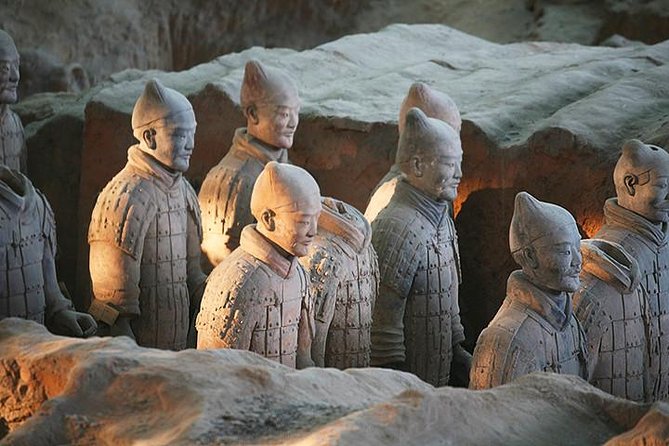
The train from Yichang to Shanghai takes about 7.5 hours. This is the longest single transfer of the trip, and it is the clearest sign that the itinerary favors coverage over leisurely pacing.
Your Shanghai guide meets you at the station and takes you to the hotel. Since the arrival comes after a full train day, you should not count on seeing much of Shanghai that evening. The benefit is that you wake up in place for the final full sightseeing day.
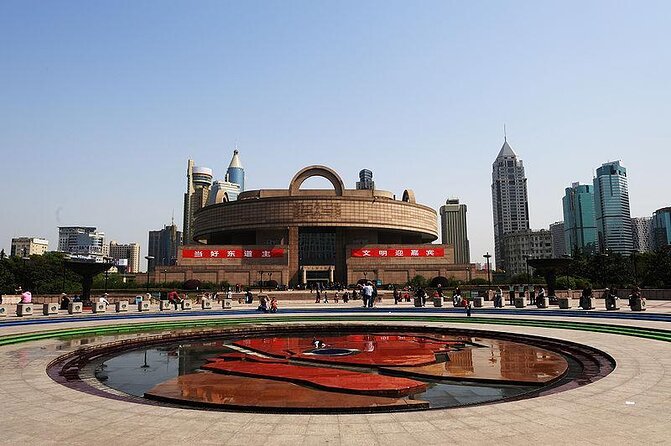
Shanghai begins at the Shanghai Museum, with collections of bronze ware, ceramics, calligraphy, and paintings. Two hours is enough for a useful introduction, but not for every gallery. Your guide can help you focus on the pieces and periods most relevant to your interests.
Yu Garden follows, with ponds, rockeries, and traditional buildings. The garden is compact and detailed, so it rewards slow looking more than hurried photography. Lunch is included at another à la carte restaurant, with a stated value of CNY150 per person, featuring Shanghai and Cantonese food.
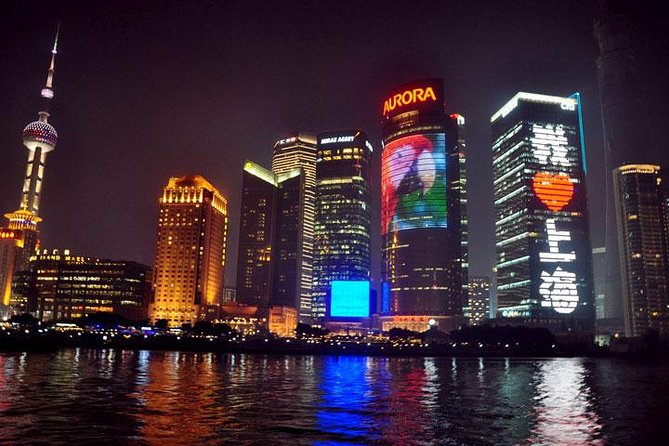
In the afternoon, you take an hour-long Huangpu River cruise. This is a good way to see the contrast between the historic Bund and Shanghai’s modern skyline without walking the whole waterfront. You then have free time around the Bund, followed by a short visit to Tianzifang, a former-style arts district with studios, restaurants, and bars.
The Shanghai day is tightly arranged, but the stops work well together. You get art, garden design, river views, colonial-era waterfront architecture, and a modern arts quarter in one circuit.
What the $3,199 price really covers
At $3,199 per person, the price is not simply paying for sightseeing. It includes twin-sharing hotel accommodation, breakfast every day, four lunches, three dinners, admission fees listed in the program, private English-speaking guides, private air-conditioned vehicles, and the full-board Yangtze cruise.
It also includes several high-speed train journeys: Beijing to Xi’an, Xi’an to Chengdu, Chengdu to Chongqing, and Yichang to Shanghai. Those rail tickets and station transfers would be a significant planning job if booked separately.
The value is strongest for you if you want one organized booking with local help at each stage. It is less compelling if you prefer to choose budget hotels, eat independently most of the time, or linger in one city. International flights, visa fees, gratuities, personal expenses, bike rental on the Xi’an wall, and the Bird’s Nest admission are extra.
The booking requires at least two people. A solo visitor can request the trip, but a single-room supplement is compulsory. The tour is private, so only your own group participates, which gives you more control than a large coach trip, even though the route itself is fixed and busy.
Who should book this China tour?
I would choose this tour if you have 13 days, want the major sights, and prefer help with trains, hotels, and transfers. It suits first-time visitors who want the Great Wall, Terracotta Army, pandas, Yangtze scenery, and Shanghai in one organized route.
I would be more cautious if you dislike early starts, long rail days, or frequent hotel changes. The tour gives you a strong first look at China, but it does not offer much free time. The non-refundable policy also means you should confirm your dates, passport details, and China visa plans before paying.
The most praised elements are the careful guide support and the number of major sights covered. Guide teams have included Kitty, Carol Chen, Kevin, and Sophie Lee, and the route lets you experience both famous landmarks and smaller moments such as tea at People’s Park and a hutong family visit.
For a packed first trip, I think the tour offers solid value. For a slower, more independent China holiday, I would use this route as a planning guide and reduce the number of cities.
FAQ
How long is the China tour?
The tour lasts approximately 13 days, beginning with airport pickup in Beijing and ending with airport transfer in Shanghai.
What cities and regions does the tour visit?
The route includes Beijing, Xi’an, Chengdu, Chongqing, Yichang, and Shanghai, along with a Yangtze River cruise through the Three Gorges.
Is the Great Wall cable car included?
Yes. The Mutianyu visit includes a round-trip cable car.
Are high-speed train tickets included?
Yes. The included rail journeys cover Beijing to Xi’an, Xi’an to Chengdu, Chengdu to Chongqing, and Yichang to Shanghai.
Are meals included?
Breakfast is included for all 12 mornings. The package also includes four lunches, three dinners, and full board during the Yangtze cruise. Some lunches, including those near the Terracotta Army and in Xi’an’s Muslim Quarter, are on your own.
Is this a private tour?
Yes. Only your own group participates, with private English-speaking guides, private drivers, and air-conditioned vehicles.
What is not included in the $3,199 price?
International airfare, China visa fees, gratuities, personal expenses, Xi’an City Wall bicycle rental, and Bird’s Nest admission are not included. Solo visitors must also pay a single-room supplement.
Newly reviewed in China
- 8 Hour Private Excursion Cruise Ship Pick up Tour Driver & Guide★ 5.0 · 11 reviews
- 3-Day Private Guilin Tour with Li River Cruise and Yangshuo★ 5.0 · 35 reviews
- Short Li-River cruise and Longji Rice Terraces Private Day Tour★ 5.0 · 4 reviews
- Li River Cruise Reed Flute Cave Elephant Hill Daxu Town Day Tour★ 5.0 · 5 reviews
- Li River cruise & Yangshuo countryside private day tour★ 4.5 · 34 reviews
- Li River Cruise from Guilin to Yangshuo plus Jiuxian Village and Yulong River★ 5.0 · 2 reviews
- 1 Day Private Tour: Li River Cruise from Guilin & Yangshuo Biking★ 5.0 · 35 reviews
- Li River Cruise ticket from Guilin to Yangshuo with pickup★ 4.0 · 8 reviews
Li River and Yangtze Cruises, compared side by side.
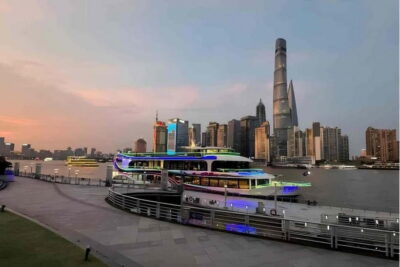
Huangpu Night Cruise: Cozy Vibe & Modern Shanghai Glow
Read our review →
Private Evening Tour: VIP Huangpu River Cruise and Shanghai Lights
Read our review →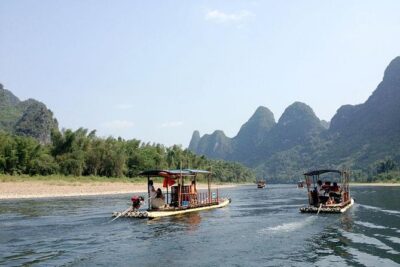
1 Day Li River Cruise from Guilin to Yangshuo with Private Guide & Driver
Read our review →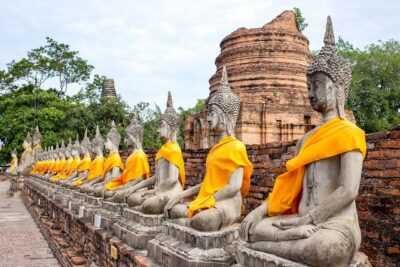
Ayutthaya Temples Tour from Bangkok with Grand Pearl River Cruise
Read our review →
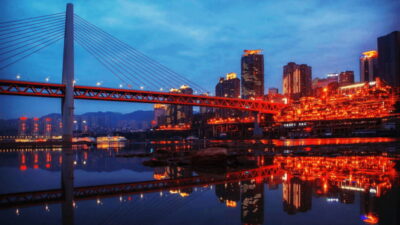
Chongqing: Two Rivers Night Cruise- Yangtze & Jialing Rivers
Read our review →
Li River Cruise and Yangshuo Private Day Tour from Guilin
Read our review →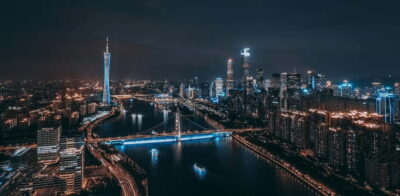
Guangzhou: Pearl River 1-hour Night Cruise (Optional Piers)
Read our review →Lists this trip appears in