
Review · CHINA
China Golden Triangle Cities & Yangtze River Cruise
China’s great sights come one after another here: the Forbidden City, Mutianyu Great Wall, the Terracotta Army, Three Gorges Dam and Shanghai’s Bund. You also get a three-night Yangtze cruise, high-speed trains, a domestic flight, hotels, guides and many meals in one package.
I like the mix of grand monuments and ordinary local life, especially the Beijing hutong rickshaw ride, the Xi’an Muslim Quarter and the family visit connected with the Terracotta Army’s discovery. I also like the practical design: local guides meet you in each city, and most major entrance fees and transfers are handled.
The main caution is the pace. You cover four major cities plus a river cruise in 12 scheduled days, while the overview calls it a 14-day tour and mentions Lhasa, which does not appear in the daily program. Confirm the exact dates, route and group size before paying.
Key points to know before booking
- Mutianyu rather than only the busiest Great Wall sections: Your cable car is included, with a chairlift and toboggan option available at your choice.
- Xi’an gets serious time: The plan includes the Terracotta Army, City Wall, Great Mosque, Muslim Quarter and Shaanxi History Museum.
- The Yangtze cruise is three nights: Excursions cover Shuangguishan, Shennong Stream, the Three Gorges and Three Gorges Dam.
- Transport is mostly arranged: You receive a Beijing to Xi’an train, Xi’an to Chongqing flight, and Yichang to Shanghai train.
- Food is partly included, not all-inclusive on land: Breakfast is included daily, along with five lunches and two dinners, while the cruise includes full board.
- Check the advertised duration: The detailed schedule runs from Day 1 through Day 12, despite the 14-day description.
A broad China route with very little free planning
At $3,139 per person, this is not a budget trip, but it covers an impressive amount. Hotels, a cruise cabin, domestic transport, guides, drivers, entrance fees, breakfast each day, selected lunches and dinners, and two bottles of water per person per day are included.
That matters in China, where arranging several internal flights, train tickets, hotel transfers and timed sightseeing visits can take real effort. You are paying for coordination as much as for sightseeing. The value improves if you prefer a ready-made route and want local help in each city.
You should also know what the price does not cover. International airfare, the China visa and tips for guides and drivers are extra. The cancellation policy is strict: the experience is non-refundable and cannot be changed after booking.
The tour is described as a private activity, with only your group participating. Yet past accounts connected with this program describe groups of 13 and 17 people, so ask the operator to define private and small group in writing. That detail can change the feel of the trip considerably.
More Li River and Yangtze Cruises in China:
- Huangpu Night Cruise: Cozy Vibe & Modern Shanghai Glow
★ 4.3 · 520 reviews - Private Evening Tour: VIP Huangpu River Cruise and Shanghai Lights
★ 5.0 · 150 reviews - 1 Day Li River Cruise from Guilin to Yangshuo with Private Guide & Driver
★ 5.0 · 148 reviews
Beijing begins with imperial power
Your guide and driver meet you at Beijing Capital Airport, then take you to the hotel and help with check-in. The first day is otherwise open, which is useful after a long international flight. You can rest instead of being pushed straight into a major sight.
Day 2 starts at Tiananmen Square, with about 30 minutes there. The visit is short, but the square gives you an immediate sense of Beijing’s political and ceremonial center.
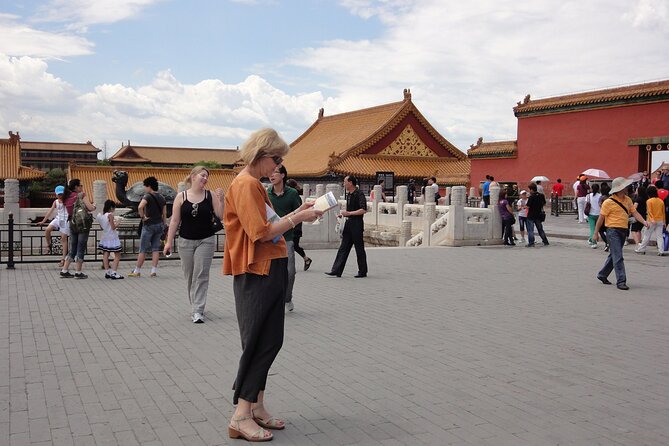
Next comes the Forbidden City, officially the Palace Museum. Plan on at least two hours, though the enormous complex can easily absorb more. Its courtyards, halls and imperial scale are the heart of the Beijing portion of the tour.
Lunch is an a la carte meal valued at CNY150 per person. That is a helpful inclusion because the day is tightly scheduled, and the meal is intended to introduce you to a wider range of Chinese food than a quick roadside stop would.
The afternoon brings the Lama Temple, also called Yonghe Temple. This former imperial lamasery combines Han, Mongolian and Tibetan architectural features and has survived for more than 300 years. It offers a quieter religious counterpoint to the formal grandeur of the Forbidden City.
At the Temple of Heaven, you see where emperors once carried out worship ceremonies. Allow about 90 minutes. Together, these stops give you three different views of old Beijing: state power, imperial religion and public ritual.
Mutianyu gives the Great Wall room to breathe
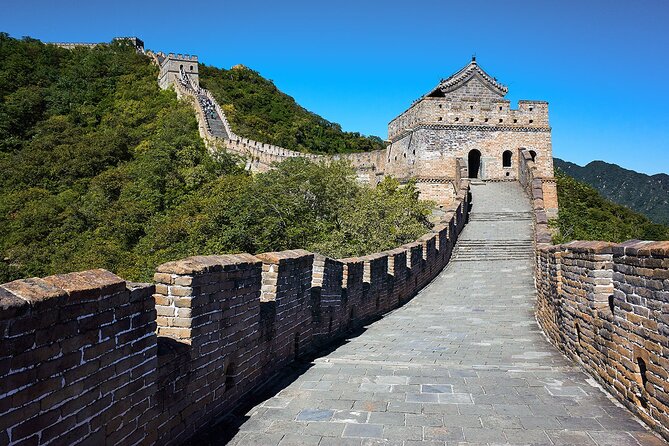
The Mutianyu section is one of the strongest choices in the program. You spend about three hours on the wall, with a round-trip cable car included.
You can also choose a chairlift up and toboggan down. That option costs extra and is more playful than the cable car, but it may not suit everyone. Ask your guide about the day’s conditions and the walking required before choosing.
The wall itself is the reason to come. You can look along the ridges in both directions and see why this monument works best when you have time to walk rather than simply stop for a photograph.
On the return to Beijing, there is a 20-minute photo stop at the Bird’s Nest, the stadium built for the 2008 Olympic Games. Admission is not included, and the schedule presents it as an exterior stop.
The day ends with a hutong tour by rickshaw and a visit to a local family. This is one of the more personal parts of the Beijing schedule. The hutongs show a side of the city that large imperial monuments cannot, though the visit is brief at about an hour.
Beijing’s program is full. You will see a lot, but you will not have much unstructured time for cafés, shopping or independent wandering.
Xi’an links archaeology with everyday street life
The Summer Palace takes up the morning of Day 4. Its gardens, water and royal retreat buildings make a welcome change from Beijing’s formal city monuments. Two hours gives you a useful introduction without making the entire day about one site.
Afterward, you travel by high-speed train to Xi’an. The rail journey is listed at about five hours, including the transfer to the station and arrival arrangements. A local guide meets you in Xi’an and takes you to the hotel.
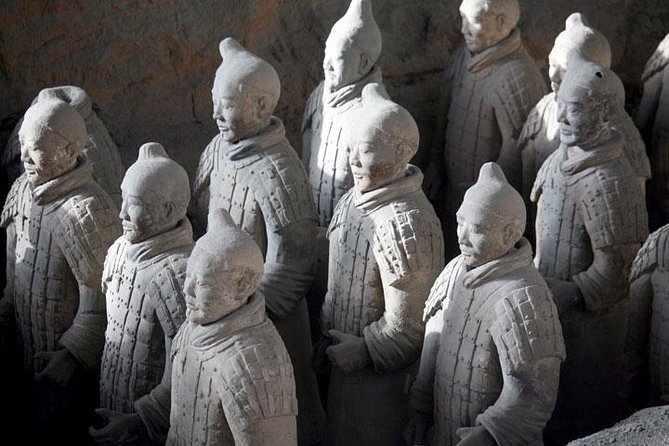
Day 5 centers on the Terracotta Army. The museum displays generals, infantrymen, kneeling archers and horses created to protect Qin Shi Huang, China’s first emperor. Four hours are allowed, which is sensible because the scale of the excavation is difficult to grasp in a rushed visit.
The program adds a family visit connected with the first person who discovered the Terracotta Army, followed by a chance to make a small clay warrior with a local craftsperson. This gives the archaeological site a human and hands-on element, though it also makes the morning longer.
The Big Wild Goose Pagoda follows in the afternoon. Built during the Tang Dynasty, it was used to store Buddhist scriptures brought from ancient India. Then you have about 40 minutes at Grand Tang Dynasty Ever-Bright City, a pedestrian area where people sometimes dress in traditional clothing. This is a modern cultural stop, not an ancient site, so expect a different mood.
Day 6 is one of the best-balanced days in the whole route. You begin at Xi’an’s old City Wall, where you can walk or rent a bicycle at your own expense. Cycling is optional, but the wall is broad and gives you a clear view of the city from above.
The Great Mosque shows how Chinese and Islamic design can meet in one complex. Afterward, the Muslim Quarter is the place to try local snacks. You should treat the hour here as a tasting walk, not a full food tour.
The Shaanxi History Museum closes the day with two hours of objects and art from several periods of Chinese history. Xi’an receives more than a quick stop, and that is a real strength.
More River Cruises in China:
- Shanghai Night River Cruise Tour with Xinjiang Style Dining Experience
★ 5.0 · 324 reviews - Shanghai: Night River Cruise Tour with Xinjiang Style Dining
★ 5.0 · 210 reviews - From Guilin: 4 Star Luxury Li River Cruise with Buffet Lunch
★ 4.3 · 80 reviews - Chongqing: Two Rivers Night Cruise- Yangtze & Jialing Rivers
★ 4.5 · 64 reviews
The Yangtze section trades city streets for river views
On Day 7, you fly from Xi’an to Chongqing. A local guide meets you, and the schedule includes a brief look at pandas and the old village of Ciqikou before you board the ship.
Ciqikou is known for Ming and Qing period houses and local snacks, especially spicy food. The stop is short, so you should not expect a slow village visit. It works more as an introduction to Chongqing before the cruise begins.
Once the ship leaves Chongqing, the pace changes. Your cabin and full-board meals are included, so you no longer need to manage every restaurant stop or road transfer.
Day 8 includes a safety, orientation and river briefing, followed by an excursion to Shuangguishan National Forest Park. A captain’s welcome party in the evening features Chinese folk dancing and music. These onboard activities are optional in spirit, but they give the cruise a social element beyond watching the river from the deck.
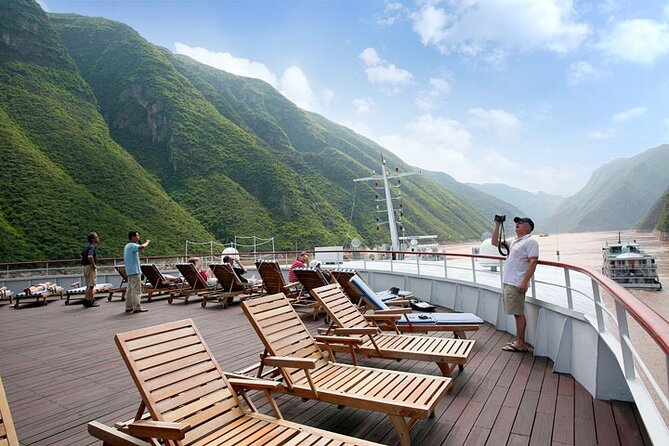
Day 9 is the scenic centerpiece. You pass Qutang Gorge, the shortest and grandest of the Three Gorges, then continue through Wu Gorge with its high, misty peaks. The schedule includes Shennong Stream, where a smaller motorboat takes you along the narrower waterway.
That smaller boat is an important detail. It brings you closer to the rocks, plants and river edges than the large cruise ship can. The outing lasts much of the day, so expect a full excursion rather than a casual shore stop.
The scenery is the attraction here, but the cruise also gives your body a break from hotel changes and city traffic. The tradeoff is less control over your schedule. You follow the ship’s timetable, excursion plan and meal hours.
Three Gorges Dam is an industrial finale
On Day 10, you pack and check out before visiting the Three Gorges Dam Project. The excursion lasts about two hours.
This stop shifts the focus from natural scenery to one of China’s largest engineering projects. You will not spend the day at the dam, but the visit helps explain why the Yangtze has such a central place in modern China as well as in older stories and geography.
Afterward, the cruise company takes you to the Three Gorges Tourist Center in Yichang. A local guide then escorts you to the railway station for the high-speed train to Shanghai. The transfer and train ride take about seven hours, followed by hotel check-in.
This is one of the hardest travel days. You are leaving a ship, touring a major site, transferring to a station and crossing the country by train. The arrangement is convenient, but you should expect a long day with luggage and limited spare time.
Shanghai finishes with gardens, museums and night views
Shanghai’s final full day begins at the Shanghai Museum. You have two hours in one of China’s major museums, with displays focused on ancient art. The visit is a useful counterweight to the modern skyline and commercial streets that dominate many first impressions of Shanghai.
Yu Garden comes next, along with the traditional bazaar nearby. The Nine Zigzag Bridge and mid-lake pavilion are the visual center of the garden. An included a la carte lunch, valued at CNY150 per person, follows around noon.
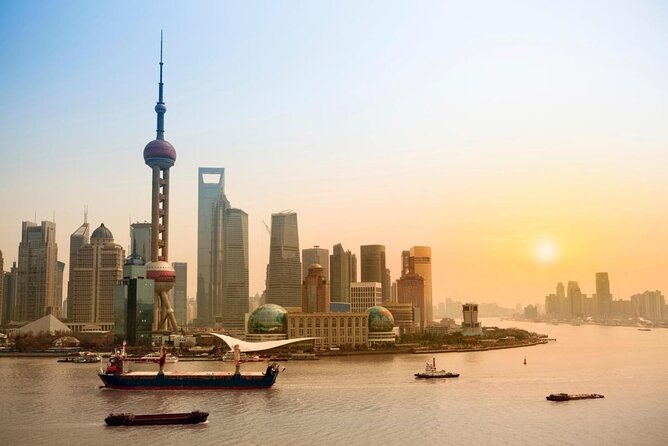
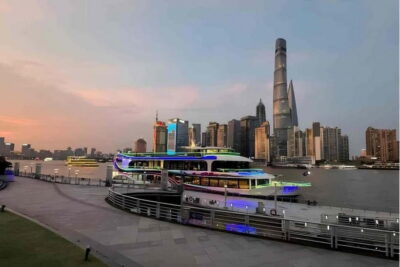
The Huangpu River cruise gives you an hour to see Shanghai from the water. It is a practical way to connect the city’s older riverfront with its newer skyline, and it saves your feet after several days of walking.
At the Bund, you have about 30 minutes of free time. That is enough for photographs and a quick look, but not enough for a long waterfront stroll. Tianzifang finishes the day with small arts shops, bars and restaurants. It is a modern neighborhood stop and a chance to browse at your own pace.
The final morning is only an airport transfer. No sightseeing is planned, so do not book an international departure too early unless the operator confirms the timing.
Guides can make or break the fast pace
The strongest personal element is the local guide system. You have a different guide in each city, rather than one person trying to explain every region. Names associated with this program include Tina in Beijing, along with Maggie, Jackie, Tom and Chris in different parts of the route.
Tina is specifically described as handling a group of 17 while answering questions and keeping people moving through crowded Beijing. That detail tells you something important about the work required here: the best guide is not just a source of facts, but also your organizer in busy stations, museums and city streets.
One arrival account describes a stressful delay when guide Kevin was not waiting at the airport as expected, despite messages sent before arrival. The operator addressed the problem afterward, but you should still keep the emergency contact and hotel details accessible rather than packed in checked luggage.
The program requires passport name, number, expiry date and country for everyone at booking. A valid passport is required on the travel date, and at least two people must book together.
Who will get the best value?
I would choose this tour if you want China’s biggest first-time sights with little independent planning. It suits people who value included transport, local guides and a clear daily structure more than slow mornings or spontaneous detours.
It also suits anyone who wants more than Beijing and Shanghai. Xi’an receives two full sightseeing days, while the Yangtze cruise adds a different kind of travel, with natural scenery, shipboard meals and organized shore trips.
I would hesitate if you dislike early starts, long transfers or frequent hotel changes. The Beijing to Xi’an train, Xi’an to Chongqing flight, Yangtze cruise, Yichang to Shanghai train and several full touring days create a demanding schedule.
Before booking, ask four direct questions: Is the trip 12 or 14 days? Is Lhasa included? What is the actual maximum group size? Which guide and driver meet you at each arrival point? The answers will clear up the biggest uncertainties.
Should you book this China tour?
Book it if you want an efficient first look at China and place a high value on having transport, tickets and local help arranged. The best parts are the range of places, the substantial Xi’an program, the Mutianyu visit and the three-night Yangtze cruise.
Think twice if you want independent travel, long museum visits or plenty of free time. The price is reasonable for the number of inclusions, but the schedule is intense and the duration details need confirmation.
I would consider it a strong choice for a first China visit, provided the operator confirms the route in writing and explains the private group arrangements before you commit.
FAQ
How long is the tour?
The detailed daily schedule runs for 12 days, from Day 1 through Day 12. The overview describes it as a 14-day tour, so confirm the exact duration before booking.
Does the tour include Lhasa?
Lhasa appears in the general description, but it does not appear in the scheduled day-by-day itinerary. Ask the operator to confirm whether Lhasa is part of your selected departure.
What cities and regions are included?
The scheduled route includes Beijing, Xi’an, Chongqing, the Yangtze River, Yichang and Shanghai. Lhasa is not listed in the daily schedule.
Is the Yangtze River cruise included?
Yes. The package includes a three-night Yangtze River cruise with full-board meals and excursions, including Shuangguishan, Shennong Stream and Three Gorges Dam.
Are domestic flights and trains included?
Yes. The package includes an economy flight from Xi’an to Chongqing, a high-speed train from Beijing to Xi’an, and a high-speed train from Yichang to Shanghai.
What meals are included?
Breakfast is included for 11 mornings. The package also includes five lunches and two dinners, while the Yangtze cruise includes full board.
Is the Great Wall cable car included?
Yes. A round-trip cable car at Mutianyu is included. You may instead choose a chairlift up and toboggan down, described as an alternative option.
What is not included in the price?
International airfare, China visa fees and gratuities for guides and drivers are not included. The bike rental at Xi’an City Wall is also at your own expense.
Newly reviewed in China
- 8 Hour Private Excursion Cruise Ship Pick up Tour Driver & Guide★ 5.0 · 11 reviews
- 3-Day Private Guilin Tour with Li River Cruise and Yangshuo★ 5.0 · 35 reviews
- Short Li-River cruise and Longji Rice Terraces Private Day Tour★ 5.0 · 4 reviews
- Li River Cruise Reed Flute Cave Elephant Hill Daxu Town Day Tour★ 5.0 · 5 reviews
- Li River cruise & Yangshuo countryside private day tour★ 4.5 · 34 reviews
- Li River Cruise from Guilin to Yangshuo plus Jiuxian Village and Yulong River★ 5.0 · 2 reviews
- 1 Day Private Tour: Li River Cruise from Guilin & Yangshuo Biking★ 5.0 · 35 reviews
- Li River Cruise ticket from Guilin to Yangshuo with pickup★ 4.0 · 8 reviews
Li River and Yangtze Cruises, compared side by side.
Huangpu Night Cruise: Cozy Vibe & Modern Shanghai Glow
Read our review →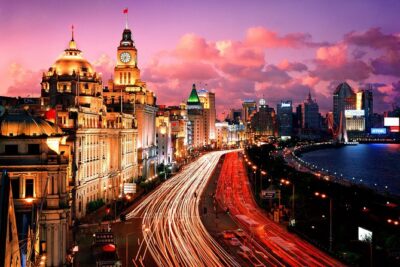
Private Evening Tour: VIP Huangpu River Cruise and Shanghai Lights
Read our review →
1 Day Li River Cruise from Guilin to Yangshuo with Private Guide & Driver
Read our review →
Ayutthaya Temples Tour from Bangkok with Grand Pearl River Cruise
Read our review →
Chongqing: Two Rivers Night Cruise- Yangtze & Jialing Rivers
Read our review →
Li River Cruise and Yangshuo Private Day Tour from Guilin
Read our review →
Guangzhou: Pearl River 1-hour Night Cruise (Optional Piers)
Read our review →Lists this trip appears in