
Review · CAIRO
7 Day Pyramids & Nile Cruise By Air
Egypt’s greatest hits come quickly here: the Giza Pyramids, the relocated temples of Abu Simbel, and the tombs of Luxor all fit into one tightly arranged week. The smart part is the private door-to-door planning, with airport pickups, domestic flights, hotel transfers, and a Nile boat handled for you.
I especially like the three full cruise nights with meals included, and I like having an Egyptologist guide at the major sites rather than trying to decode them alone. The tradeoff is pace: Cairo, Aswan, Abu Simbel, Kom Ombo, Edfu, and Luxor leave little spare time, and the Abu Simbel day deserves a careful check of departure details before you pay.
Key points at a glance
- Giza and the Egyptian Museum in one Cairo day: A strong first sightseeing day with the pyramids, Sphinx, local lunch, and museum visit.
- Three nights on a five-star Nile cruise: Full-board meals and river views provide a welcome break from road travel.
- Abu Simbel included: Ramses II’s huge temple and Nefertari’s temple are among the tour’s biggest rewards.
- Private touring: Your group travels with its own guides and vehicles rather than joining a large shared group.
- Domestic flights save time: Cairo to Aswan and Luxor to Cairo are included, avoiding long overland journeys.
- A packed archaeological route: The schedule is excellent for first-time visitors, but not designed for slow mornings or unplanned wandering.
Why this seven-day route works
Egypt can be difficult to arrange independently. The important sites are spread across a large country, domestic flights do not always fit neatly with cruise departures, and airport transfers require careful timing. This package removes much of that work.
You arrive in Cairo, see the capital’s headline sights, fly south to Aswan, cruise north through the Nile Valley, and return to Cairo from Luxor. That order makes geographic sense. You are not repeatedly retracing your route, and you get the contrast between modern Cairo and the quieter river towns.
The tour costs $2,400 per person. That is not a budget trip, but the price covers far more than sightseeing. It includes three Cairo hotel nights, three nights on a five-star cruise, two domestic flights, private transfers, guides, site admissions, many meals, bottled water during outings, a camel ride, and a felucca outing in Aswan.
You still pay for international airfare, your Egyptian entry visa, personal purchases, optional activities, and tips. Tipping is an important practical expense to plan for because guides and cruise crew are not included in the package price.
More Nile Cruises in Cairo:
- Cairo: Dinner Cruise on the Nile River with Entertainment
★ 4.2 · 2,190 reviews - Cairo: Nile Dinner Cruise with Belly Dancer Show with Pickup
★ 4.4 · 835 reviews - Cairo: Dinner Cruise on the Nile River
★ 4.2 · 741 reviews
Day 1: A private airport arrival in Cairo
Your arrival begins with a representative meeting you before the immigration counters, holding a sign with your name. After immigration, you are driven to your Cairo hotel in a private air-conditioned vehicle.
The transfer is listed at about 45 minutes, though Cairo traffic can affect the actual journey. At the hotel, a guide reviews the itinerary and confirms pickup times for the coming days. That short meeting matters because the tour includes flights, several guides, cruise boarding, and multiple site visits.
There is no meal included on arrival day. If your international flight lands late, you will probably appreciate having nothing scheduled beyond the hotel transfer and itinerary briefing.
Day 2: Giza, the Sphinx, and the Egyptian Museum
The first sightseeing day covers the best-known symbols of Egypt. You begin at the Great Pyramid of Cheops, built between 2551 and 2528 BC and originally rising to about 137 meters. The scale is hard to grasp from photographs. The pyramid was built with an estimated 2.5 million stone blocks, and your guide can give the monument a human and historical context beyond the usual postcard facts.
Next comes the panoramic area, where you can photograph all three main pyramids. You then visit the Great Sphinx and the Valley Temple. The Sphinx stop is more than a quick photo opportunity because the nearby temple helps explain how the pyramid complex functioned as a ceremonial site.
A local Cairo restaurant provides lunch before you continue to the Egyptian Museum. The museum is one of the world’s major collections of ancient Egyptian objects, and pairing it with the pyramids is useful. At Giza, you see the monumental setting. At the museum, you encounter the objects, statues, and burial goods connected with that civilization.
The day lasts about seven hours. That is enough time for a strong introduction, but it is still a busy day. If you want to enter the Great Pyramid or spend extra time at the museum, ask in advance how those choices affect the schedule. The listed entrance fees cover the stated sites, but optional admissions are not included.
A camel ride is included during the pyramid tour. It adds a lighter, more playful moment to a serious day of monuments, though you should confirm the exact length and arrangements with your guide.
Day 3: Aswan, Philae, and the first night aboard ship
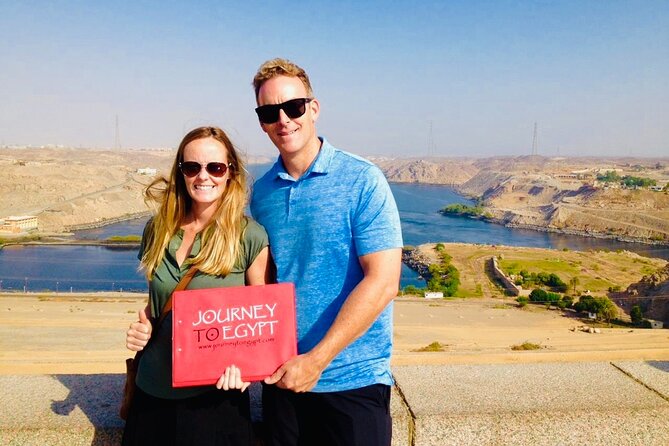
You fly from Cairo to Aswan, then meet a guide at the airport exit. The first stops are the Aswan High Dam and Philae Temple.
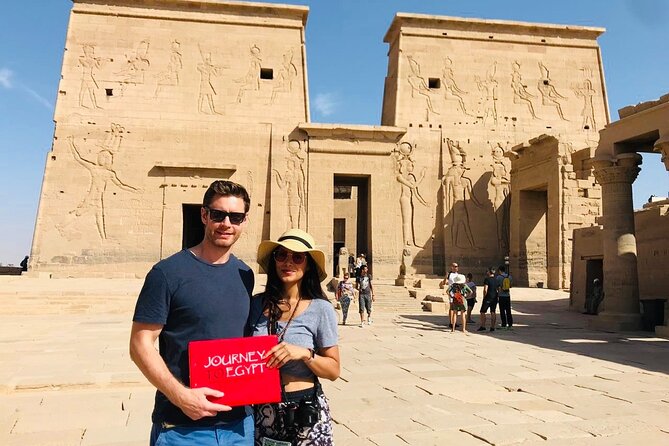
The High Dam explains much of the modern Nile story. Its construction created Lake Nasser and led to the relocation of important ancient monuments. Philae itself was moved to an island site to protect it from rising water. The temple is dedicated to Isis and Hathor, and its setting gives you one of the most memorable transitions of the trip: from an airport and city traffic to ancient stone surrounded by the Nile.
You board the cruise before lunch. From this point, the rhythm changes. Instead of packing and unpacking each night, you have a cabin, meals aboard, and the river outside your window. Dinner is included, and you spend the night in Aswan.
A felucca outing in Aswan is also included. These traditional sailing boats offer a smaller-scale view of the river than the cruise ship. Confirm when it is scheduled, since the day already includes a flight, two major stops, lunch, and boarding.
More Week-Long Trips in Cairo:
- 7 Days Egypt Tour Package to Cairo and Nile Cruise
★ 5.0 · 62 reviews - 7 Days & 6 Nights by Flight Cairo Pyramids & Nile cruise Aswan To Luxor(Private)
★ 5.0 · 38 reviews - Best of Egypt Tour 7 Days Discover Cairo & Nile Cruise Domestic Flights Inc
★ 5.0 · 5 reviews - Egypt: 7-Day Private Tour, Baloon, Flights and Nile Cruise
★ 4.3 · 5 reviews
Day 4: Abu Simbel and Kom Ombo
Abu Simbel is one of the strongest reasons to choose this package. The twin temples were built for Ramses II and Queen Nefertari. Four enormous statues of Ramses dominate the main façade, and the site feels impressively remote and monumental.
The temples also tell a modern engineering story. They were dismantled and moved to higher ground to protect them from the waters created by the Aswan High Dam. That means you are looking at both an ancient royal monument and one of the major preservation projects of the twentieth century.
The schedule then continues toward Kom Ombo. The temple there is dedicated to Haroeris, associated with the sun, and Sobek, the crocodile god. The unusual double dedication gives the site a different character from the royal temples at Abu Simbel and Philae. You can also see mummified crocodile remains.
The itinerary lists Abu Simbel and Kom Ombo on the same day, so this is likely to be one of the more demanding portions of the tour. The exact transport and timing for Abu Simbel are not detailed in the supplied information. I would ask the operator for the planned departure time, transport method, and expected return before booking. That is especially important if you value sleep and quiet mornings.
After Kom Ombo, the ship continues toward Edfu. Lunch and dinner are included aboard the cruise.
Day 5: Edfu and the temples of Luxor
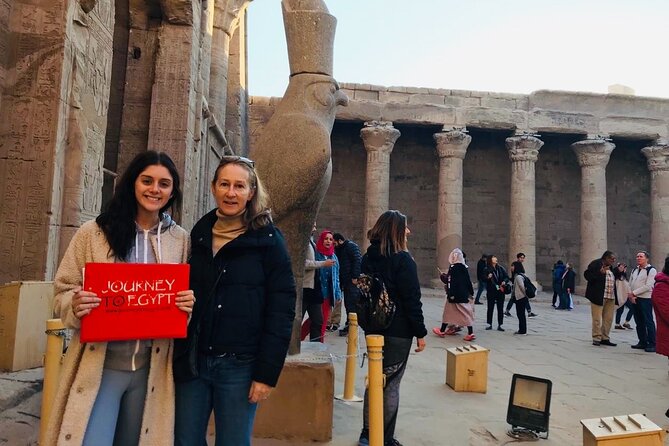
At Edfu, you visit the Temple of Horus, the falcon-headed sky god. Built in the Ptolemaic period, beginning under Ptolemy III in 237 BC, it is unusually well preserved. Its walls and columns help you picture how an ancient temple was used, rather than leaving you with only broken foundations.
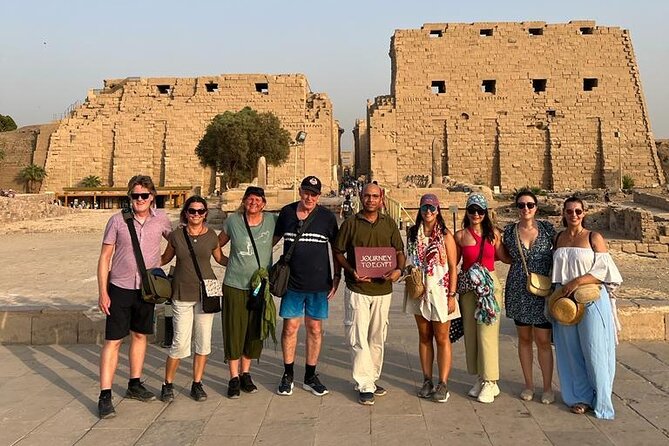
The ship then continues to Luxor. On the east bank, you visit Karnak Temple and Luxor Temple. Karnak is a vast complex built and expanded by generations of pharaohs. The Great Hypostyle Hall is the visual star, with massive columns rising about 80 feet. Your guide can help you understand the way rulers added their names and monuments to an older sacred center.
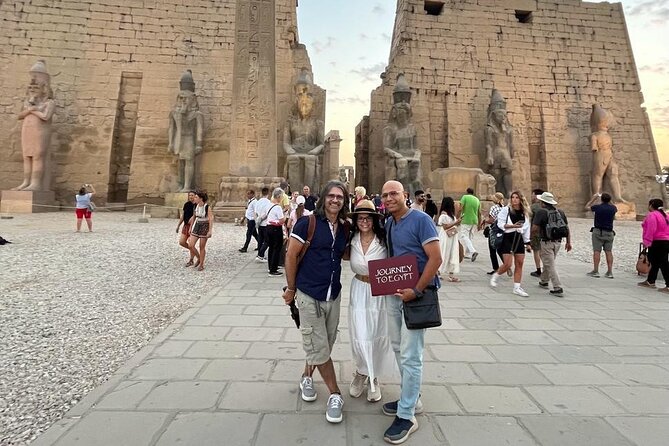
Luxor Temple feels different. It is more compact and easier to read as a processional space, with statues of Ramses II, a large courtyard, and the colonnade associated with Amenhotep III. Seeing Karnak and Luxor together is useful because the two sites were linked in ancient religious ceremonies.
The day combines a river stop with a major evening of temple visits. You should expect plenty of walking on uneven stone and strong sun exposure. Comfortable shoes, a hat, water, and modest clothing are practical choices.
Day 6: The Valley of the Kings and Luxor’s west bank
The west bank is devoted to tombs and funerary monuments. You first see the Colossi of Memnon, two giant seated figures that once guarded a temple complex.
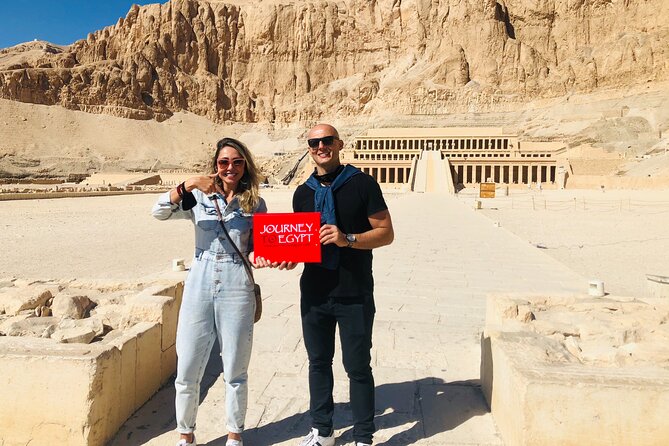
The Temple of Hatshepsut is next. Built for one of Egypt’s most successful female rulers, it is arranged in broad terraces against the cliffs. Its design differs sharply from the pyramid fields and river temples visited earlier, which makes it a useful final chapter in the tour’s ancient-world story.
The Valley of the Kings is the day’s main event. For roughly 500 years beginning in the sixteenth century BC, pharaohs and nobles were buried in hidden tombs here. The valley is a UNESCO World Heritage Site, but the experience is not simply about seeing one famous tomb. Your guide helps you understand why royal burials moved underground and how painted corridors led toward burial chambers.
Tutankhamun’s tomb requires an extra ticket. That cost is not included, so decide in advance if seeing the boy king’s burial place is important to you. The tomb is famous, but it is smaller than many visitors expect. Its value comes from its connection to the 1922 discovery by Howard Carter and the survival of its painted interior and burial story.
The west-bank visit lasts about five hours. By this point, the full schedule may catch up with you. Still, this is a rewarding final sightseeing day because it shifts attention from giant façades to tomb decoration, royal ambition, and the practical details of ancient burial.
Guides, private touring, and the human side of the trip
The private format is one of the package’s strongest features. Only your group participates, so you are not tied to a large coach group’s pace. You can ask questions, request clarification, and discuss small schedule changes with your guide.
The company has used guides including Alfred in Cairo and Mena, Meyer, George, John, and Marcos on different Egypt trips. Alfred has been specifically requested for Cairo, while Mena has guided Nile sections. Guide assignments can change, so treat those names as useful requests rather than guarantees.
Communication also appears to be a strong point. Osama is the manager named in the supplied material, and the tour includes itinerary coordination from arrival through departure. WhatsApp contact was available on some trips, which can be handy when pickup times shift or you need a quick answer.
The guide quality matters here because Egyptian monuments can blur together after several days. A good guide will separate the religious roles of Isis, Hathor, Horus, Sobek, and the pharaohs, and explain why each building looks and functions differently.
Hotels, cruise comfort, and meals
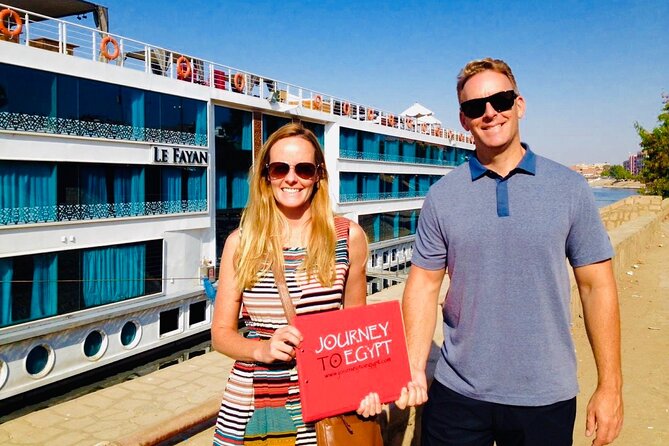
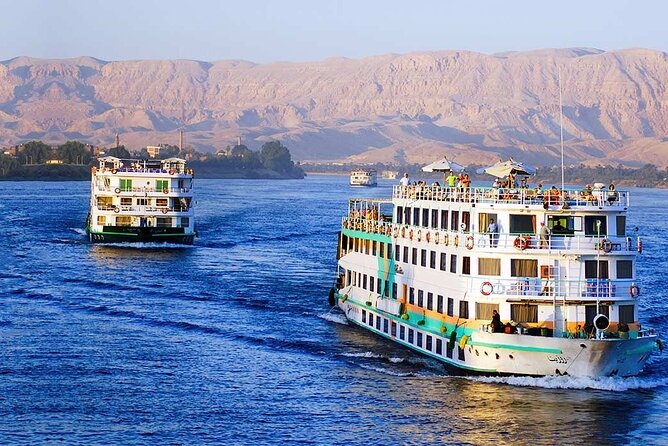
You spend three nights in Cairo hotels with daily breakfast and three nights aboard a five-star Nile cruise on a full-board basis. The cruise is not just transport. It gives you a steady base, meals without repeated restaurant decisions, and changing views of the Nile between temple visits.
Hotel quality can vary by property. One specific caution is the Steigenberger hotel in Giza. Its location was considered convenient for pyramid visits, but the property did not meet one guest’s expectations. If hotel standards matter greatly to you, ask for the exact Cairo property and current room details before confirming.
The listed meal plan includes six breakfasts, four lunches, and three dinners, though the tour summary also describes meals during tours and cruise days. Ask for a written meal breakdown if you need to plan around allergies or dietary restrictions. Bottled water is provided during outings outside the hotel.
Is $2,400 good value?
The value depends on how much planning you want to hand over. If you arrange the same route independently, you would still need hotels, a three-night cruise, Cairo to Aswan airfare, Luxor to Cairo airfare, airport transfers, local transport, admission tickets, guides, and meals. Coordinating those pieces takes time and creates more chances for missed connections.
At $2,400, this is best viewed as a convenience-focused package rather than a cheap Egypt deal. The private vehicle transfers and guide support add real value, especially on your first visit. The included domestic flights also protect your limited week from long road journeys.
The price is less attractive if you prefer to set your own pace, use simple hotels, skip guided visits, or spend several days in one place. You are paying for coverage and coordination. You should also budget separately for international flights, the visa, optional tickets such as Tutankhamun’s tomb, personal spending, and tips.
Who should book this tour?
I would choose this tour if you want to see Egypt’s major ancient sites in one week and prefer a guide to handle the logistics. It suits first-time visitors, couples, families, and anyone who wants a private setup instead of a large group.
It also works well for people who value communication and flexibility. The company has adjusted longer trips and added extra Cairo time when requested, though any change to this seven-day plan should be agreed upon before booking.
I would hesitate if you want long museum visits, free evenings, or several unscheduled days. The itinerary is tightly packed, and Abu Simbel adds an especially demanding day. You should also ask for the exact cruise ship, Cairo hotel, domestic flight times, and Abu Simbel transport details before committing.
Cancellation is generous if you act early: cancel at least six full days before the start for a full refund. Cancellation two to six days ahead receives 50 percent, and cancellations within two days are nonrefundable. The cutoff uses local Egyptian time.
Should you book it?
Book this tour if your priority is seeing the pyramids, major Nile temples, Abu Simbel, and the Valley of the Kings with one private team coordinating the moving parts. The route is strong, the cruise breaks up the sightseeing, and the included flights make seven days possible.
Before paying, confirm three things: the Cairo hotel, the cruise ship, and the Abu Simbel schedule. If those details suit you and you accept the fast pace, this is a practical way to experience Egypt’s essential sights without spending your holiday solving transport puzzles.
FAQ
How long is the tour?
The tour lasts approximately seven days, from airport arrival in Cairo through airport departure on the final day.
Is airport pickup included?
Yes. Meet and assist service is included on arrival and departure, along with private air-conditioned transfers to and from the airport and hotels.
Which domestic flights are included?
The package includes a flight from Cairo to Aswan and a flight from Luxor to Cairo.
How many nights are spent on the Nile cruise?
You spend three nights aboard a five-star Nile cruise on a full-board basis.
Are meals included?
Yes. Daily hotel breakfasts in Cairo are included, along with meals during the cruise and the listed tour meals. The package lists six breakfasts, four lunches, and three dinners.
Is Abu Simbel included?
Yes. Abu Simbel is included among the Nile cruise excursions. The supplied schedule places it on the same day as the Kom Ombo visit, so confirm the exact transport and timing before booking.
Is Tutankhamun’s tomb included?
The Valley of the Kings visit is included, but entering Tutankhamun’s tomb requires an extra ticket.
Is this a private tour?
Yes. Only your group participates in the private tour or activity.
Newly reviewed in Cairo
- Cairo Private layover tour Giza pyramids,sphinx&Nile Felucca Boat★ 4.5 · 13 reviews
- 8 Day Stunning Cairo Pyramids and Nile cruise and Hurghada All inclusive★ 5.0 · 43 reviews
- Cairo dinner Nile cruise with belly dancer show on Nile river★ 5.0 · 2 reviews
- night-tour Nile dinner cruise with open buffet and belly dancer★ 5.0 · 9 reviews
- Private Full Day Tour Giza Pyramids ,Museum & Nile Felucca Boat★ 4.0 · 3 reviews
- VIP Private Tour Giza Pyramids ,Nile Dinner Cruise&Pyramid Inside★ 5.0 · 3 reviews
- Private Tour Giza Pyramids , Sphinx & Dinner Nile cruise Show★ 4.5 · 3 reviews
- Dinner Nile Cruise belly dancer open buffer tanora show sailing on Nile★ 5.0 · 9 reviews
Nile Cruises, compared side by side.
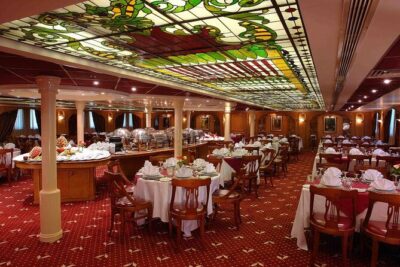
4-Days Nile Cruise From Aswan To Luxor including Abu Simbel and Hot Air Balloon
Read our review →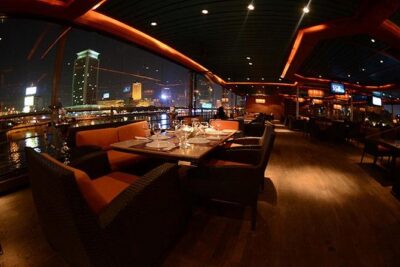
Dinner Cruise on the Nile River with Entertainment
Read our review →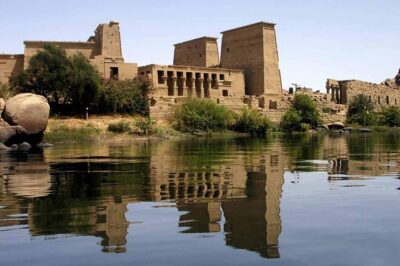
4-Day 3-Night Nile Cruise from Aswan to Luxor&Abu Simbel+Balloon
Read our review →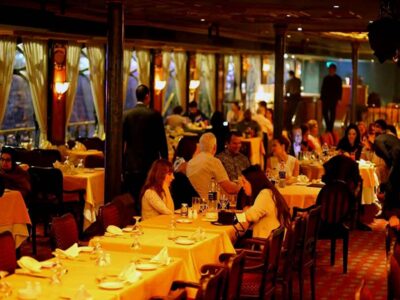
Nile Dinner Cruise with Belly Dancer Show with Pickup
Read our review →
4-Day 3-Night Nile Cruise from Aswan to Luxor including Abu Simbel, Air Balloon
Read our review →
4-Day Nile Cruise from Aswan to Luxor with Guide
Read our review →Lists this trip appears in