
Review · CAIRO
12 Days Cairo – Alexandria and Nile Cruise by Flight (Ancient Egypt)
The real prize here is the stretch along the Nile, where you move from Luxor’s colossal temples to the tombs of the Valley of the Kings, then sail toward Edfu, Kom Ombo, and Aswan. Abu Simbel adds the big finish: two rock-cut temples built for Ramses II and Queen Nefertari, reached by a roughly three-hour drive each way from Aswan.
I like the private touring format, which gives you your own vehicle and Egyptologist guide, and I like the way the trip handles Cairo, Alexandria, and the southern sites in one plan. The tradeoff is a full schedule, with long touring days, domestic flights, an early cruise embarkation, and a long Abu Simbel road trip.
Key points at a glance
- Abu Simbel by private vehicle: Allow about eight hours for the temples and the drive from Aswan.
- A full Nile Cruise route: Visit Luxor, Edfu, Kom Ombo, and Aswan while your ship serves as your base.
- Private Egyptologist guiding: Your group has its own English-speaking guide and air-conditioned vehicle.
- Cairo beyond the pyramids: The itinerary includes the Egyptian Museum, Citadel, Khan El Khalili, Islamic Cairo, and Coptic Cairo.
- Alexandria in one day: See the modern library, Roman Amphitheatre, Pompey’s Pillar, and Qaitbay Citadel from outside.
- A mostly covered price: Hotels, cruise accommodation, domestic flights, breakfasts, eight lunches, four dinners, transfers, and admissions are included.
What $3,333 buys you in Egypt
At $3,333 per person, this is not a simple sightseeing package. You are paying for a private 12-day structure that includes Cairo hotels, a Nile cruise, airport handling, two domestic flights, private transport, an Egyptologist guide, admissions, and many meals.
That can be good value if you want one company to manage the moving parts. Egypt involves airport transfers, hotel check-ins, cruise schedules, long road journeys, and several major archaeological sites. Here, an English-speaking representative meets you on arrival and helps with the transfer to your hotel. Similar assistance is provided at later airports and at departure.
The price does not include your Egyptian entry visa, tipping kitty, optional tours, or extras not named in the itinerary. You should also note the meal count: 11 breakfasts, eight lunches, and four dinners are included. That leaves some meals for you to arrange, especially during the Cairo portion.
The package is private, but the cruise itself is shared ship accommodation. The exact hotel and vessel category is not specified, so ask for those details before paying if room standard matters to you.
More Nile Cruises in Cairo:
- Cairo: Dinner Cruise on the Nile River with Entertainment
★ 4.2 · 2,190 reviews - Cairo: Nile Dinner Cruise with Belly Dancer Show with Pickup
★ 4.4 · 835 reviews - Cairo: Dinner Cruise on the Nile River
★ 4.2 · 741 reviews
Cairo begins with the pyramids and Sakkara
Your first touring day tackles the Pyramids of Giza, including Khufu, Khafre, and Menkaure. The Sphinx keeps watch nearby, giving you the familiar image of ancient Egypt, but the scale is what makes the visit special. You will have about eight hours for Giza, lunch, and Sakkara, so this is not a quick photo stop.
Sakkara changes the focus from famous monuments to the development of pyramid building. The Step Pyramid of King Djoser, designed by Imhotep, is an important early form that helps explain how Egyptian royal tombs changed over time.
I like this pairing because you see both the best-known pyramids and a site with a different feel. You will need comfortable shoes and patience with heat, dust, and the amount of walking around open archaeological areas. The itinerary includes admission and lunch, but it does not specify the restaurant or meal menu.
Egyptian Museum, the Citadel, and Khan El Khalili
The next Cairo day begins at the Egyptian Museum, with about three hours inside. The collection includes Pharaonic monuments and King Tutankhamun’s treasures, along with a mummies’ room. That room is a major part of the visit, but it may not suit everyone. The displays focus on real human remains, not only statues and jewelry.
After lunch, you visit the Citadel of Salah El-Din. It served as a seat of power for more than 700 years and gives the day a change of pace after the museum’s indoor galleries.
The final stop is Khan El Khalili, Cairo’s famous bazaar. You can browse shops and get a taste of the city’s commercial side, but keep your expectations practical. This is a market area, so sellers may approach you and prices may require negotiation.
Luxor puts the Nile cruise to work
On Day 4, a representative transfers you from your Cairo hotel to the airport for the flight to Luxor. You are expected to board the Nile cruise before noon, so the morning has a fixed rhythm. Once aboard, the ship becomes your base for the southern part of the trip.
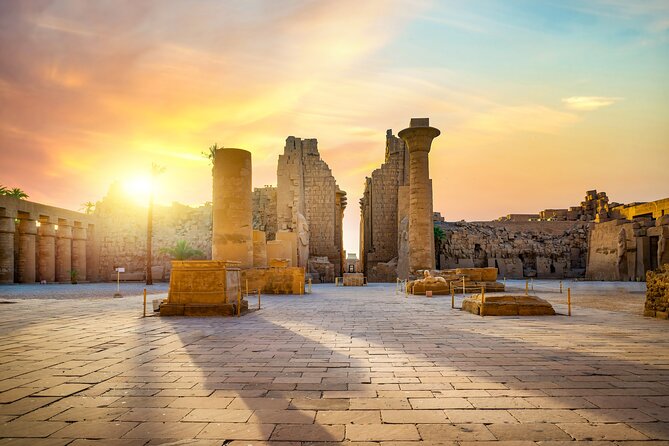
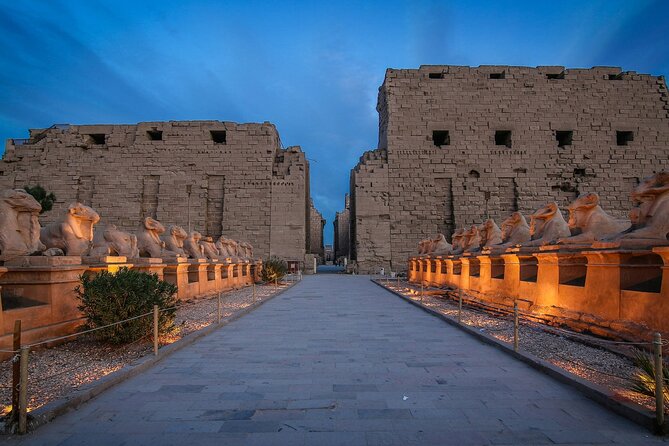
The afternoon covers Luxor’s East Bank. Karnak Temple is enormous, with columns, courtyards, and structures linked to the worship of Amun Ra. The complex can feel overwhelming without a guide, which is where the Egyptologist adds real value. You can see the major spaces while also learning how the temple grew over several periods.
Luxor Temple follows, located in the heart of ancient Thebes and completed in part by Ramses II. After the sightseeing, you return to the ship for dinner and an Egyptian folkloric show operated by the ship staff.
The three-hour estimates for Karnak and Luxor Temple are useful, but expect the day to include transfers, entry procedures, and time back on board. Bring water, though bottled water and mineral water are included during the tours.
More River Cruises in Cairo:
- 2-Hour Nile River Dinner Cruise From Cairo
★ 4.5 · 672 reviews - ViP Private Effective Nile River Dinner Cruise in Cairo
★ 4.5 · 370 reviews - Nile River Dinner Cruise on a Yacht with Open Buffet
★ 4.5 · 292 reviews - Cairo Dinner Cruise in Nile River With Belly Dancer & Tanora show
★ 4.5 · 256 reviews
The Valley of the Kings and Hatshepsut’s temple
Day 5 crosses to Luxor’s West Bank, beginning with the Valley of the Kings. This was the royal cemetery of Theban rulers, and the visit gives you a closer look at the burial side of ancient Egyptian power.
The itinerary does not state which tombs are included. Your guide should explain the current entrance arrangement and any extra charges before you enter. Tomb access can change, so ask on the day if a particular tomb matters to you.
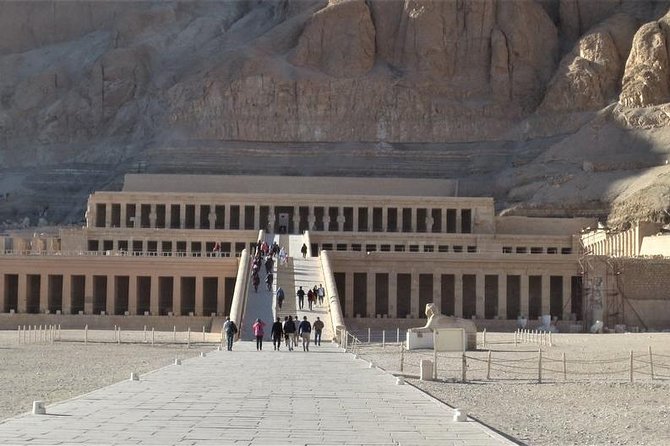
The Temple of Queen Hatshepsut at Deir El Bahari is the next major stop. Its terraces are cut into the mountain, making it one of the most distinctive architectural sites in Luxor. You then pause at the Colossi of Memnon, two huge statues associated with Amenhotep III.
The Colossi stop lasts about 30 minutes and admission is listed as free. After lunch, the afternoon is open for rest on the ship. That free time matters because the West Bank morning can be hot and demanding.
Edfu and Kom Ombo by river
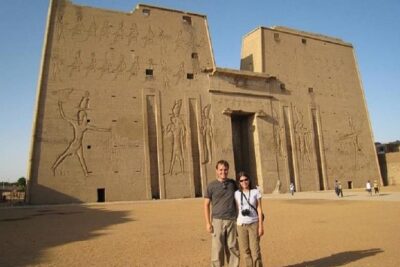
The cruise continues to Edfu, where you visit the Temple of Horus. It is described as one of Egypt’s best-preserved temples, and its condition helps you read the walls, courts, and reliefs more easily than at some older ruins.
After returning to the ship, lunch is served during sailing toward Kom Ombo. The river journey is part of the appeal here. You are not spending every hour in a van, and you can watch the banks pass from the sun deck.
Kom Ombo is unusual because two gods, Sobek and Haroeris, were worshipped there. The temple gives your guide a chance to explain how different cults could share one complex.
You return to the ship after the visit, then sail toward Aswan for a late-evening arrival. The day includes two major temples, so it is busy, but the travel between them is handled by the cruise rather than another long road transfer.
Abu Simbel is worth the long road day
Day 7 is the hardest day physically. From Aswan, you travel by private air-conditioned vehicle to Abu Simbel, with the total outing listed at about eight hours. The drive to the temples takes roughly three hours, followed by the return drive.
The reward is one of Egypt’s most memorable sites. Ramses II built the larger temple and dedicated it to the god Rahorakhty. The smaller temple honors Queen Nefertari as well as the king, giving the complex a royal and personal side that differs from the huge state temples in Luxor.
I would treat this as a priority site, not an optional extra, if ancient Egyptian architecture is your main reason for booking. Still, you should be honest about the road time. This is not a relaxed half-day outing. The private vehicle helps because you are not tied to a large group, but the distance remains the same.
Aswan: engineering, islands, and unfinished stone
The next morning begins with the Aswan High Dam, built under President Gamal Abdel Nasser in 1960 to control the Nile floods. It offers a modern counterpoint to the ancient temples and shows how the river remains central to Egypt’s life.
A motorboat then takes you to Agilkia Island and the Temple of Philae. The temple was built during the Greco-Roman period and dedicated to Isis, the mother of Horus. Its island setting makes the approach by boat part of the visit, not just a transfer.
The final stop is the Unfinished Obelisk, a red granite monument linked to Amun Ra. The abandoned worksite helps you understand how such massive stone monuments were cut and shaped.
After the Aswan touring, a representative takes you to the airport for your flight back to Cairo. On arrival, another transfer brings you to your hotel. This is an efficient day, but it combines three sites, airport handling, a flight, and a hotel check-in. Pack so you do not need to sort your entire luggage at every step.
Alexandria adds a Mediterranean chapter
Alexandria is a long day from Cairo, but it adds a different side of Egypt. The first stop is the Alexandria Library, built near the site associated with the ancient library. You then visit the Roman Amphitheatre, a surviving monument from the Greco-Roman period.
Pompey’s Pillar follows, erected in 292 AD. The final major sight is Sultan Qaitbay Citadel, viewed from outside according to the itinerary. That detail matters: you should not expect an interior tour of the citadel.
You return to Cairo after the Alexandria visits. The day is valuable if you want more than Pharaonic Egypt, but it is also one of the longer road days. If your priority is only ancient temples and tombs, you may find Alexandria less essential than Luxor or Abu Simbel.
Islamic and Coptic Cairo in one day
Day 10 shifts from ancient Egypt to Cairo’s Islamic and Christian heritage. You begin with Ahmed Ibn Tulun Mosque, described as the oldest intact, functioning Islamic monument in Cairo. The Mosque of Sultan Hassan and El Refa’i Mosque follow, with lunch at a local restaurant.
The Coptic portion includes the Hanging Church, Church of St. Sergius, and Ben Ezra Synagogue. The Hanging Church was built into the walls of the Roman fortress, while St. Sergius is associated by tradition with a resting place of the Holy Family. Ben Ezra is identified as Egypt’s oldest synagogue, dating to the ninth century.
This is one of the tour’s strongest choices because it prevents the trip from becoming a parade of pharaohs. You see how Islamic, Christian, and Jewish communities shaped Cairo. Wear clothing suitable for religious sites and follow your guide’s instructions about footwear and photography.
The value of private guiding
Private guiding changes the pace of this itinerary. You are not placed in a large group, and the tour is described as private for your own party. Transfers use private air-conditioned vehicles, and an English-speaking Egyptologist guides the sightseeing.
That format is especially useful at Karnak, the Egyptian Museum, and the Valley of the Kings, where it is easy to lose the thread among so many names and monuments. Guides associated with the operator include Amani, Safwat, and Shimaa Esmail, though your assigned guide may be different.
The main benefit is continuity and help with logistics. Several people connected with the operator have been praised for prompt communication, airport reception, private drivers, and careful coordination. One useful expectation to set is that service quality can depend on the individual guide and driver, so ask who will handle each section when you receive your final arrangements.
Who should book this Egypt tour?
I would recommend it to you if you want the major ancient sites without arranging hotels, trains, flights, cruise space, transfers, and guides separately. It suits first-time visitors who prefer a planned route and history fans who want expert explanation at the monuments.
It is less suitable if you want slow mornings, long independent walks, or several free days in each city. Only Day 11 is fully free in Cairo. The rest of the schedule is active, with some early starts and long transport days.
The cancellation terms are worth noting before you commit. You can receive a full refund if you cancel at least six full days before the start time. Cancellations two to six days ahead qualify for a 50 percent refund, while cancellations less than two days ahead are nonrefundable.
Final booking advice
I would book this trip if you value structure, private transport, and broad coverage over a slow, independent style. The route is unusually complete: Giza and Sakkara, Cairo’s museums and religious quarters, Alexandria, Luxor, a Nile cruise, Aswan, and Abu Simbel all fit into 12 days.
Before booking, confirm the hotel names, cruise vessel, room category, visa arrangements, tipping expectations, and the exact tombs included at the Valley of the Kings. If those details suit your comfort level, the $3,333 price offers a practical way to see Egypt’s essential sites with most of the difficult planning already handled.
FAQ
Is this a private Egypt tour?
Yes. The activity is private, and only your group participates. Private transfers and a private English-speaking Egyptologist guide are included.
How long does the tour last?
The tour lasts approximately 12 days, from arrival at Cairo International Airport on Day 1 to departure from Cairo on Day 12.
Are domestic flights included?
Yes. The price includes a flight from Cairo to Luxor and a flight from Aswan back to Cairo.
Is a Nile cruise included?
Yes. Cruise accommodation is included from Luxor through the southern Nile route, with visits to Edfu, Kom Ombo, and Aswan.
Are hotels included?
Yes. Hotel accommodation in Cairo is included, along with accommodation on the Nile cruise.
Which meals are included?
The package includes 11 breakfasts, eight lunches, and four dinners. Other meals and extras are not included unless specifically stated.
Is Abu Simbel included?
Yes. You travel by private air-conditioned vehicle from Aswan to Abu Simbel and return to Aswan the same day. The outing takes approximately eight hours.
Is the tour suitable for vegetarians?
Yes. A vegetarian meal option is available, but you should request it when booking.
Is an Egyptian entry visa included?
No. The entry visa is not included in the tour price.
Can children join the tour?
Yes. Children may participate, but they must be accompanied by an adult.
Newly reviewed in Cairo
- Cairo Private layover tour Giza pyramids,sphinx&Nile Felucca Boat★ 4.5 · 13 reviews
- 8 Day Stunning Cairo Pyramids and Nile cruise and Hurghada All inclusive★ 5.0 · 43 reviews
- Cairo dinner Nile cruise with belly dancer show on Nile river★ 5.0 · 2 reviews
- night-tour Nile dinner cruise with open buffet and belly dancer★ 5.0 · 9 reviews
- Private Full Day Tour Giza Pyramids ,Museum & Nile Felucca Boat★ 4.0 · 3 reviews
- VIP Private Tour Giza Pyramids ,Nile Dinner Cruise&Pyramid Inside★ 5.0 · 3 reviews
- Private Tour Giza Pyramids , Sphinx & Dinner Nile cruise Show★ 4.5 · 3 reviews
- Dinner Nile Cruise belly dancer open buffer tanora show sailing on Nile★ 5.0 · 9 reviews
Nile Cruises, compared side by side.
4-Days Nile Cruise From Aswan To Luxor including Abu Simbel and Hot Air Balloon
Read our review →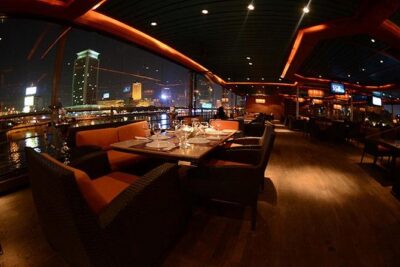
Dinner Cruise on the Nile River with Entertainment
Read our review →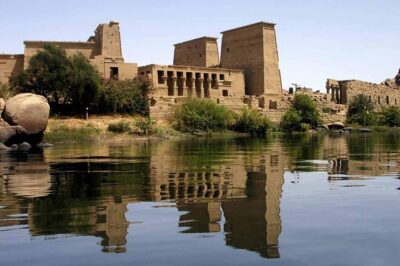
4-Day 3-Night Nile Cruise from Aswan to Luxor&Abu Simbel+Balloon
Read our review →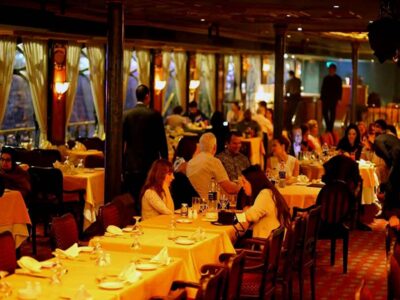
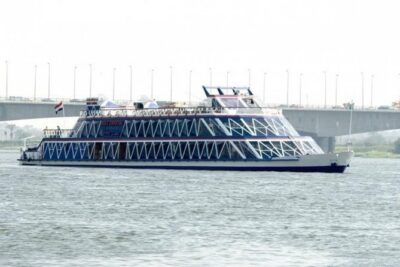
Nile Dinner Cruise with Belly Dancer Show with Pickup
Read our review →
4-Day 3-Night Nile Cruise from Aswan to Luxor including Abu Simbel, Air Balloon
Read our review →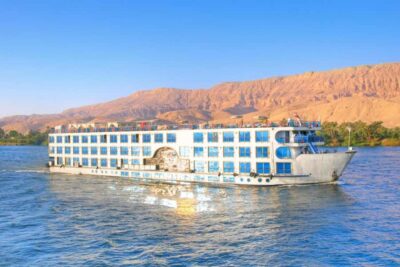
4-Day Nile Cruise from Aswan to Luxor with Guide
Read our review →Lists this trip appears in