
Review · ASWAN
3 Days and 2 Nights Nile Cruise from Aswan to Luxor
Abu Simbel gives this cruise its big opening: you leave Aswan before sunrise, ride out to Ramses II’s colossal temple, then board a Nile ship and let the river carry you north. Over three days, you see some of Egypt’s major ancient sites without changing hotels each night.
I like the strong mix of temples and scenery, especially the quiet hours on deck between Kom Ombo and Edfu. I also like the practical setup: hotel or station pickup, an English-speaking guide, full-board meals, and a private activity for your own group. The main drawback is the schedule. A 4:00 am start, extra entrance fees, and a packed final day in Luxor demand energy.
Key points at a glance
- Abu Simbel comes first, with a roughly three-hour visit before lunch and boarding the cruise.
- Kom Ombo and Edfu give you two very different temple experiences, one beside the river and one reached by horse-drawn carriage.
- The final Luxor day is packed, covering five stops from the Valley of the Kings to Luxor Temple.
- A 5-star ship and full-board meals are included, but drinks and all entrance tickets are extra.
- Enjy manages the tour, with staff praised for listening and solving problems where possible.
- The $340 price can be good value, provided you budget separately for admission fees and accept the early start.
Why this Aswan to Luxor cruise works
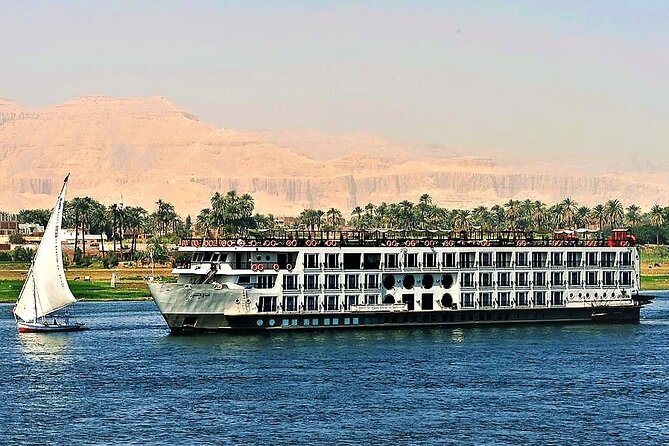
This route links Upper Egypt’s major sights in a clean northbound line. You begin with Abu Simbel, sail through the temple country around Kom Ombo and Edfu, and finish in Luxor, where the ancient capital’s monuments fill the last day.
The cruise is useful because transport, lodging, meals, and guided visits are joined together. You are not arranging separate cars from Aswan to Abu Simbel, a boat between river towns, and a full day of sightseeing in Luxor. That convenience matters in Egypt, where distances are long and temple visits often require careful timing.
The trip is described as a private activity for your group, although the Abu Simbel transfer is arranged with a small group. That combination gives you a more organized day than an independent visit, while still keeping the social side of a cruise.
The price is $340 per person. For two nights aboard a 5-star ship, full-board meals, transfers, a guide, and the listed sightseeing, that can be a fair package. Do not treat it as an all-in price. Drinks are not covered, and admission tickets are excluded at every stop. Your final cost depends on the entrance charges you pay locally.
More Nile Cruises in Aswan:
- 4-Days Nile Cruise From Aswan To Luxor including Abu Simbel and Hot Air Balloon
★ 5.0 · 3,142 reviews - 4-Day 3-Night Nile Cruise from Aswan to Luxor&Abu Simbel+Balloon
★ 5.0 · 2,023 reviews - 4-Day 3-Night Nile Cruise from Aswan to Luxor including Abu Simbel, Air Balloon
★ 4.5 · 612 reviews
4:00 am departure and the road to Abu Simbel
The first morning starts at 4:00 am, with pickup from your hotel or the train station. That early departure is the price of seeing Abu Simbel on a short schedule. You will want your bag packed the night before and a plan for breakfast, since the day begins before normal sightseeing hours.
The ride is in an air-conditioned vehicle with a driver and English-speaking guide. The provided visit time is about three hours, enough to see the two famous temples and study their monumental fronts without rushing through the complex.
The Great Temple is dedicated to Ramses II and is known for its four huge seated statues cut into the rock face. The smaller temple honors Queen Nefertari. The scale is the point here. Even after seeing photographs, the approach to those statues gives Abu Simbel a force that smaller temple sites cannot match.
Your guide adds value by explaining the carvings, royal imagery, and religious purpose of the buildings. Without context, you may spend your time photographing the facade and miss the stories shown on the walls. Admission is not included, so set aside money for the ticket before the trip begins.
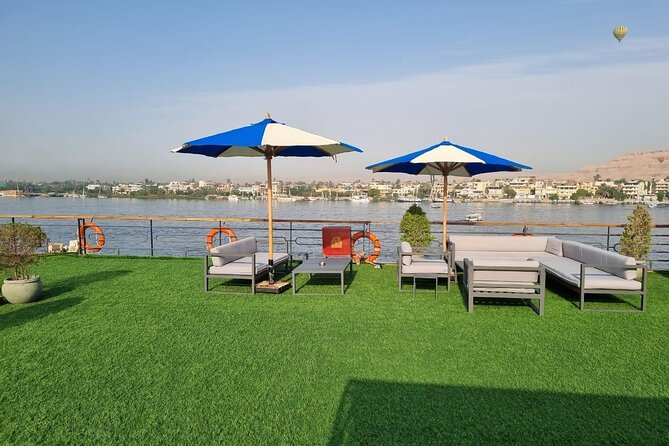
After Abu Simbel, you are transferred to the cruise ship. Lunch is served aboard, and the river portion of the trip begins. This transition is one of the nicest features of the plan: a demanding morning at one of Egypt’s most remote monuments gives way to a slower afternoon on the water.
Lunch aboard ship and what full board means
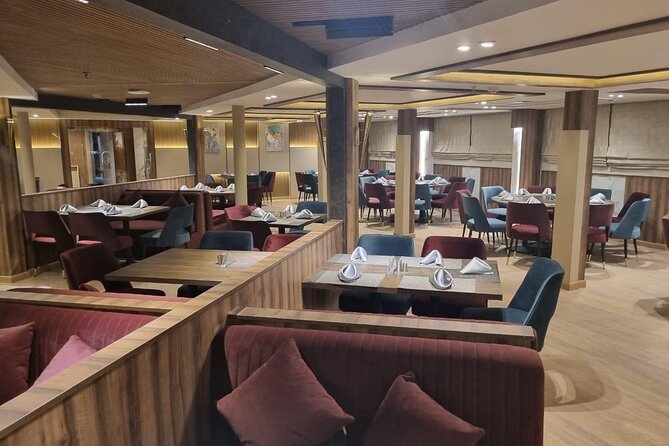
The cruise includes two breakfasts, two lunches, and two dinners, with food served buffet style. That makes the package simple, especially on sightseeing days when you do not want to search for a restaurant between temple visits.
The food is functional rather than a reason to book the cruise on its own. One account described it as nothing special, while also noting that the restaurant staff were friendly and helpful. I would set your expectations at dependable buffet meals, not a fine-dining river voyage.
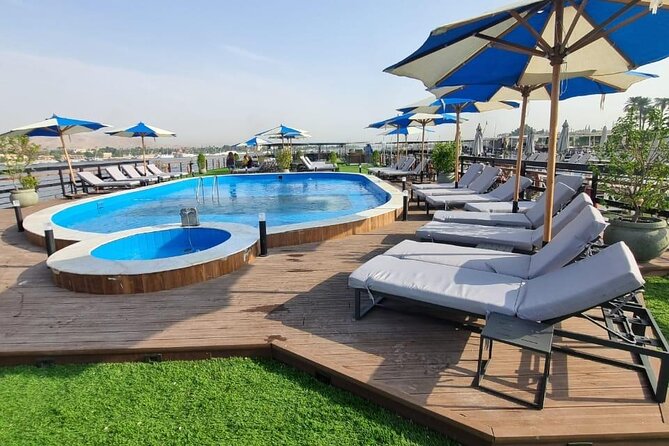
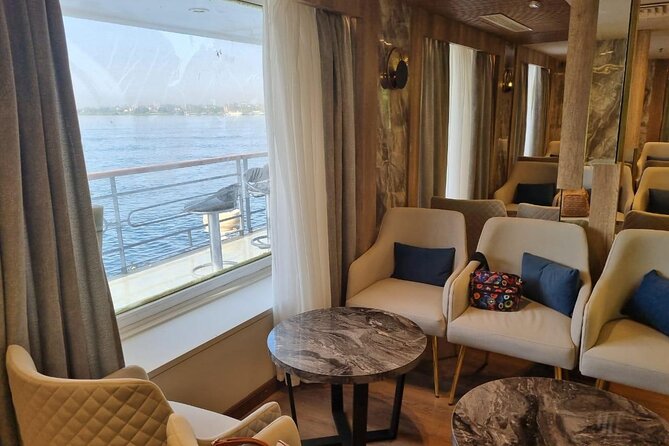
Drinks are excluded, so check the ship’s prices and keep that expense in mind. The cabins are described as large and comfortable on the MS Nile Crown III, with furnishings that feel luxurious. Ship quality and service are not always the same thing, though. The cabin, housekeeping, and restaurant staff received positive attention, while reception and checkout service were described less favorably.
That distinction is useful. You may enjoy the room and the river views while still finding some front-desk interactions uneven. Enjy, who manages the tour, was specifically praised for listening to concerns and trying to resolve them. If something needs fixing, raise it early rather than waiting until departure.
Kom Ombo, a temple split between two gods
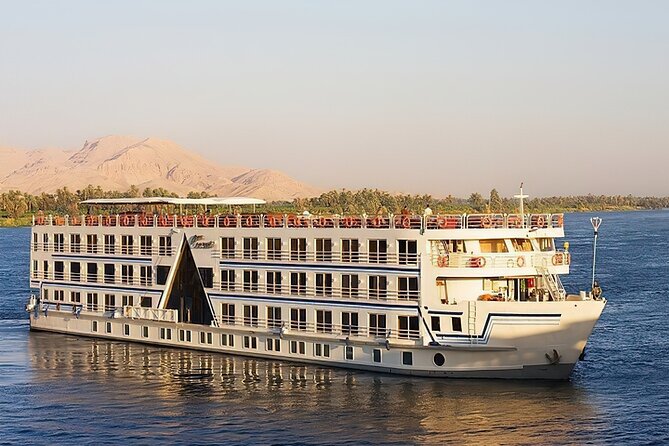
After lunch, the ship sails toward Kom Ombo. The temple visit takes about two hours, and the guide accompanies you from the ship into the site.
Kom Ombo is unusual because it has a double dedication. One side honors Sobek, the crocodile god, and the other honors Horus, the falcon god. The paired layout gives the temple a clear visual logic, and your guide can help you understand how two cults shared one sacred complex.
The site sits close to the Nile, so the visit also gives you a good sense of how ancient Egyptian temples were tied to the river. After the tour, you return to the ship and continue north.
Kom Ombo is not as enormous as Karnak, but that is part of its appeal. You can take in the plan more easily, look closely at the reliefs, and appreciate the contrast between the temple and the modern river traffic nearby. The stop is also well placed in the itinerary. After Abu Simbel, it offers a shorter, focused visit before an evening back aboard.
Again, admission is extra. The stated two-hour duration includes the guided stop, not an unlimited period at the site, so stay near your guide and watch the return time.
More Three-Day Trips in Aswan:
- 3 Day Nile Cruise from Aswan to Luxor and Hot Air Balloon
★ 5.0 · 20 reviews - From Aswan: 2 Night-3 Day Nile Cruise & Hot Air Balloon Ride
★ 5.0 · 19 reviews - 3 Days 2 Nights Nile Cruise from Aswan to Luxor
★ 5.0 · 19 reviews - 3 Day Nile Cruise from Aswan and Luxor Hot Air Balloon
★ 5.0 · 15 reviews
Edfu and the horse-drawn carriage ride
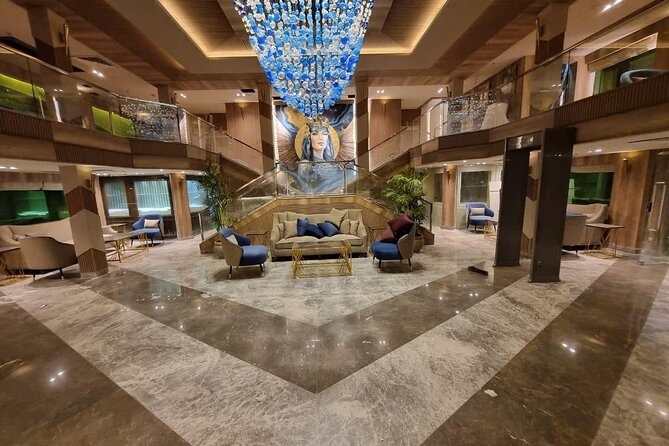
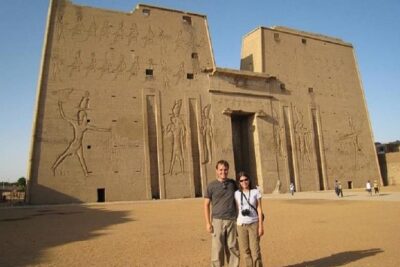
The ship reaches Edfu between 7:00 and 8:00 am on the second day. Your guide meets you in the ship’s lobby, and you travel by traditional horse-drawn carriage to the Temple of Horus.
This is a different kind of outing from Kom Ombo. The carriage ride adds local transport to the visit, and the temple itself is one of the clearest places on the route for seeing the standard design of an ancient Egyptian temple: monumental gateway, broad courtyards, tall columns, and inner sanctuaries.
Horus appears here as a falcon god, and the reliefs show the religious symbols and royal scenes that shaped temple life. The temple is especially valuable for visitors who want to see a large site with its main structures still easy to read.
The visit takes about three hours, including the carriage transfer and guided exploration. You then return to the ship for the next part of the cruise. The morning start is early, but it avoids pushing this major visit into the hottest part of the day.
The carriage arrangement is also a practical point to clarify with your guide. Stay with the organized group and confirm the meeting place before you explore. You do not want to lose time trying to find the correct carriage back to the ship.
The Valley of the Kings after checkout
Day three is the most ambitious. After breakfast, you check out, place your bags in the lobby, and meet the driver and guide for a Luxor sightseeing day in an air-conditioned car.
The first stop is the West Bank and the Valley of the Kings. The visit is listed at about one hour, with entry to three tombs. That is enough for a useful introduction, but it is not a leisurely study of every open tomb.
The valley was used for royal burials, and the painted chambers are the main attraction. Inside, you will see corridors and rooms covered with figures, symbols, and hieroglyphs intended to guide the dead ruler into the next life. The colors can be striking, but the experience is physical: walking, standing, and moving through enclosed spaces.
Your ticket covers three tombs according to the itinerary, but special tombs may have separate rules or charges. Since entrance fees are not included in the tour price, ask your guide what your ticket includes before entering. Comfortable shoes and water are sensible choices, especially since the West Bank portion includes several stops.
Hatshepsut, cliffs, and the Colossi of Memnon
The Temple of Hatshepsut at Deir el-Bahari follows the Valley of the Kings. Its terraces rise against the cliffs, creating one of Luxor’s most memorable settings.
Hatshepsut ruled as pharaoh and sponsored major building works during a prosperous period. The temple’s broad terraces and colonnades make it easy to see how architecture was used to present royal power. Look for the reliefs and the way the building frames the rock behind it.
The scheduled visit is about one hour. That is enough to walk the main levels with a guide, but you may wish for more time if you enjoy architectural details or photography. Keep your expectations realistic: this is a quick overview of a large monument, not a slow archaeological study.
The Colossi of Memnon is a shorter stop, also listed at one hour. The two statues represent Amenhotep III and once guarded the entrance to his mortuary temple. Much of that temple has disappeared, leaving the statues as the clear focus.
The site is easy to understand and makes a good pause between larger visits. Your guide can explain the old story that the statues produced mysterious sounds, which led to their association with Memnon in Greek tradition. The colossi also remind you that ancient complexes were often much larger than what remains today.
Karnak and Luxor Temple fill the East Bank
After the West Bank, you cross to the East Bank for Karnak Temple. This is the largest and most demanding temple complex on the route, yet only about one hour is allocated.
Karnak was dedicated to the Theban triad of Amun, Mut, and Khonsu. The Hypostyle Hall is the visual prize, with its huge forest of columns covered in inscriptions. You will also see the sacred lake and broad ceremonial spaces that show how much labor and planning went into this religious center.
A guide is particularly useful here. Karnak is so large that it can feel like a collection of impressive pieces unless someone explains the sequence of courtyards, halls, pylons, and shrines. At the same time, one hour means you need to stay focused. This is a highlights visit.
Luxor Temple is the final major monument. Built by Amenhotep III and completed in part by Ramses II, it sits close to the Nile and was linked to kingship and the worship of Amun-Ra.
I like the contrast between Karnak and Luxor Temple. Karnak feels sprawling and ceremonial, while Luxor Temple is more compact and direct. The colonnades and grand entrance make a strong final stop, especially after you have followed the Nile north from Aswan.
The itinerary then includes visits to a papyrus factory, an alabaster factory, and perfume shops. These stops are framed as a chance to see traditional crafts and browse local goods. They can be useful if you want souvenirs, but they also extend an already full day. If shopping is not your priority, ask how much time is planned at each place.
Your driver then takes you to your hotel in Luxor. The experience ends there rather than returning you to Aswan.
Service, ship comfort, and the $340 question
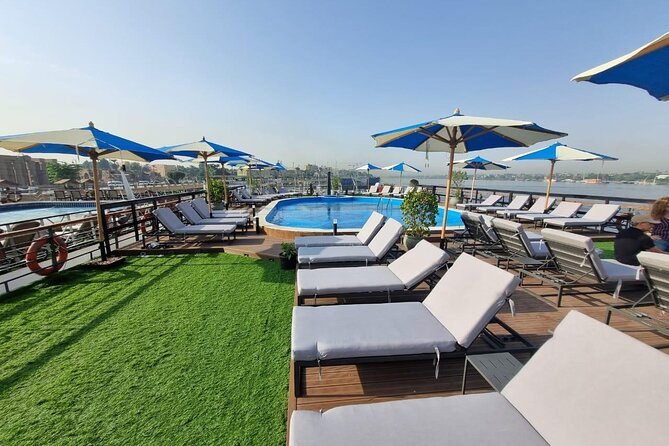
The strongest part of the package is its structure. For $340, you receive a cabin on a 5-star cruise, three days of transport and sightseeing, full-board meals, pickup and drop-off, and an English-speaking guide. The private format also means your group is not simply folded into a large tour bus for the whole experience.
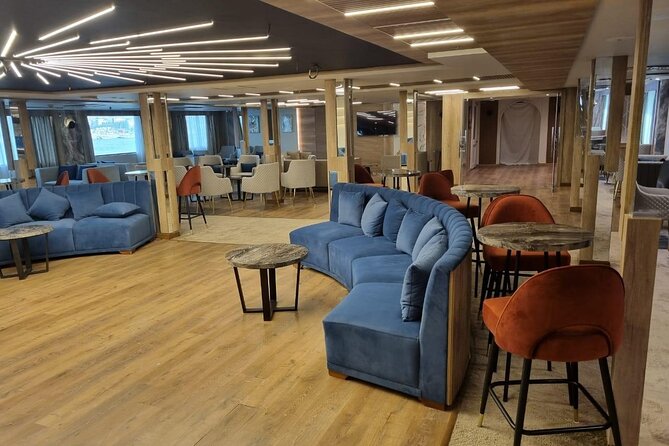
The ship itself can be a pleasant base. The MS Nile Crown III was described as having large cabins and luxurious furnishings. Restaurant and housekeeping service also earned praise for being helpful.
The weak point is consistency. Reception and checkout service may not match the standard set by the cabin or dining staff. That does not ruin the cruise, but it means you should keep your own schedule, confirm departure details, and speak with Enjy or the tour manager if a problem appears.
The 4.7 rating from 42 ratings and 90 percent recommendation suggest a generally strong experience, but the mixed service details are worth taking seriously. The trip is best for someone who values efficient sightseeing and river scenery more than a polished luxury-service experience.
Who should book this Nile cruise?
I would choose this trip if you have limited time and want the major Aswan to Luxor route handled in one package. It suits first-time visitors who want a guide at the temples, a ship between sites, and a fixed plan rather than separate transport bookings.
It also works well for people who enjoy ancient architecture but do not want to spend every night packing and unpacking. The river time gives you a break between site visits, even though the final Luxor day is intense.
I would hesitate if you dislike early starts, buffet meals, shopping stops, or additional ticket costs. You should also consider a longer cruise if you want slow mornings and extended time at each monument. This three-day version is a highlights tour, not a relaxed study of Upper Egypt.
Free cancellation is available until 24 hours before the 4:00 am start time. Changes or cancellations inside that window are not accepted for a refund, so check your plans before booking.
FAQ
How long is the Nile cruise from Aswan to Luxor?
The experience lasts three days and two nights, with approximately three days of touring.
What time does the tour start?
The stated start time is 4:00 am.
Is pickup included?
Yes. Pickup and drop-off are included, with pickup available from your hotel or the train station.
What meals are included?
The cruise includes two breakfasts, two lunches, and two dinners. Meals are served buffet style, and drinks are not included.
Is accommodation included?
Yes. Accommodation is provided aboard a 5-star cruise ship.
Are entrance tickets included?
No. Entrance tickets for the temples and other sites are not included in the price.
Is a tour guide included?
Yes. An English-speaking tour guide accompanies the sightseeing.
How many tombs can you enter in the Valley of the Kings?
The itinerary includes entry to three different tombs.
How do you reach Edfu Temple?
You travel from the cruise to Edfu Temple by traditional horse-drawn carriage.
Is the activity private?
Yes. The activity is private for your group, although the Abu Simbel transfer is described as being with a small group.
Can I cancel for a full refund?
Yes. You can cancel at least 24 hours before the experience starts for a full refund. Cancellations or changes made less than 24 hours before the start time are not accepted for a refund.
Should you book it?
Book this cruise if you want maximum ancient Egypt in minimum time. Abu Simbel, Kom Ombo, Edfu, the Valley of the Kings, Hatshepsut, Karnak, and Luxor Temple form an excellent route, and the cruise keeps the logistics manageable.
Go in with clear expectations. Budget for tickets and drinks, prepare for the 4:00 am departure, and treat the final Luxor day as a busy highlights circuit. If that sounds like a fair trade for a full-board Nile journey at $340, this is a practical and memorable way to travel from Aswan to Luxor.
Newly reviewed in Aswan
- 4-Days Nile Cruise From Aswan To Luxor Abu Simbel and Air Balloon★ 4.5 · 2 reviews
- Sailing Nile Cruise from Aswan to Luxor for 2 Nights★ 4.5 · 139 reviews
- Sailing Nile cruise from Aswan to Luxor includes tours for 3 nights★ 5.0 · 16 reviews
- 4-Day Nile Cruise: Aswan to Luxor & Abu Simbel + Hot Air Balloon★ 4.5 · 35 reviews
- 4-Days Aswan sails Nile Cruise Luxor &Abu Simbel.Hot air Balloon★ 4.5 · 77 reviews
- Luxor: 4-Night Nile cruise , Hot Air balloon , west bank , abu simbel★ 5.0 · 3 reviews
- 4 Days Nile Cruise &Hot Air Balloon on M/S Movenpick Royal Lilly★ 5.0 · 4 reviews
- Sailing Nile cruise from Aswan for 2 nights★ 4.0 · 11 reviews
Nile Cruises, compared side by side.
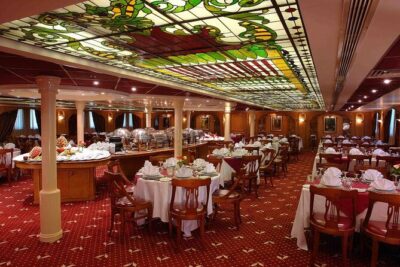
4-Days Nile Cruise From Aswan To Luxor including Abu Simbel and Hot Air Balloon
Read our review →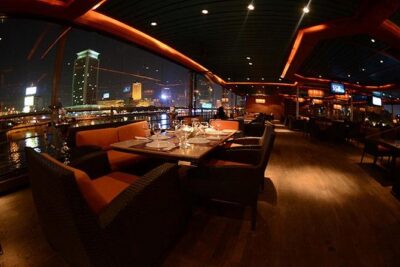
Dinner Cruise on the Nile River with Entertainment
Read our review →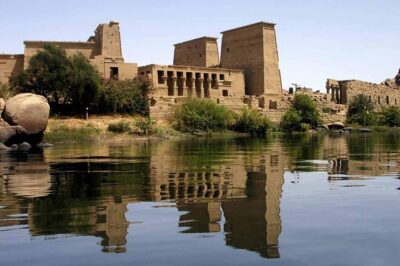
4-Day 3-Night Nile Cruise from Aswan to Luxor&Abu Simbel+Balloon
Read our review →
Nile Dinner Cruise with Belly Dancer Show with Pickup
Read our review →
4-Day 3-Night Nile Cruise from Aswan to Luxor including Abu Simbel, Air Balloon
Read our review →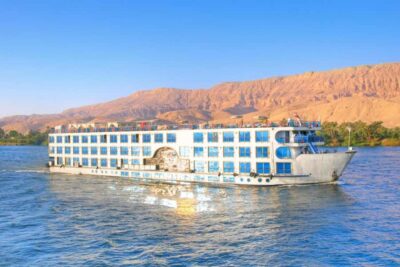
4-Day Nile Cruise from Aswan to Luxor with Guide
Read our review →Lists this trip appears in