
Review · POLAND
Oder river cruise and walking tour of Wroclaw
Wroclaw makes its best first impression from two angles: on foot among medieval streets and from the water beneath its famous bridges. This three-hour private tour joins both views, taking you from Ostrow Tumski and the Market Square to a 45-minute cruise along the Oder.
I like the hotel pickup, which saves you from finding a meeting point, and the way the tour connects major sights instead of treating the boat ride as a separate attraction. I also like the personal format, with guides such as Maria and Monika praised for warm explanations and useful local tips. The main drawback is pace: two hours of walking followed by a boat ride can feel full, and transportation from hotels outside the center costs extra.
Key points at a glance
- Ostrow Tumski begins the story: See Wroclaw’s oldest area and the 13th-century Cathedral of St. John the Baptist.
- The walking route covers the essentials: Cross the Oder, visit Wroclaw University, and reach the large Market Square.
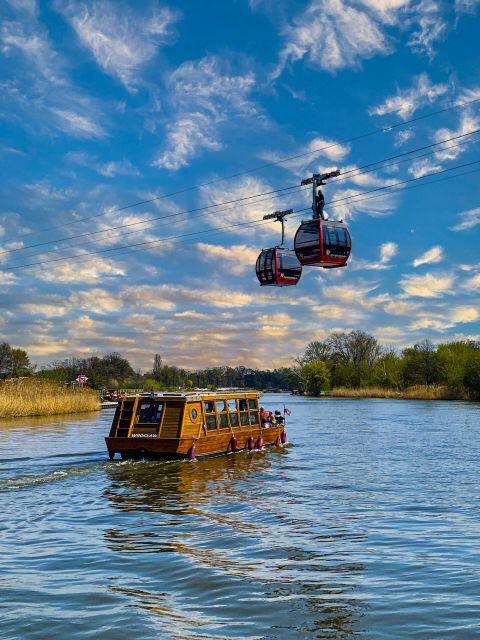
- The river adds a new view: A 45-minute cruise shows the Old Town, bridges, locks, Polinka cable car, zoo, and more.
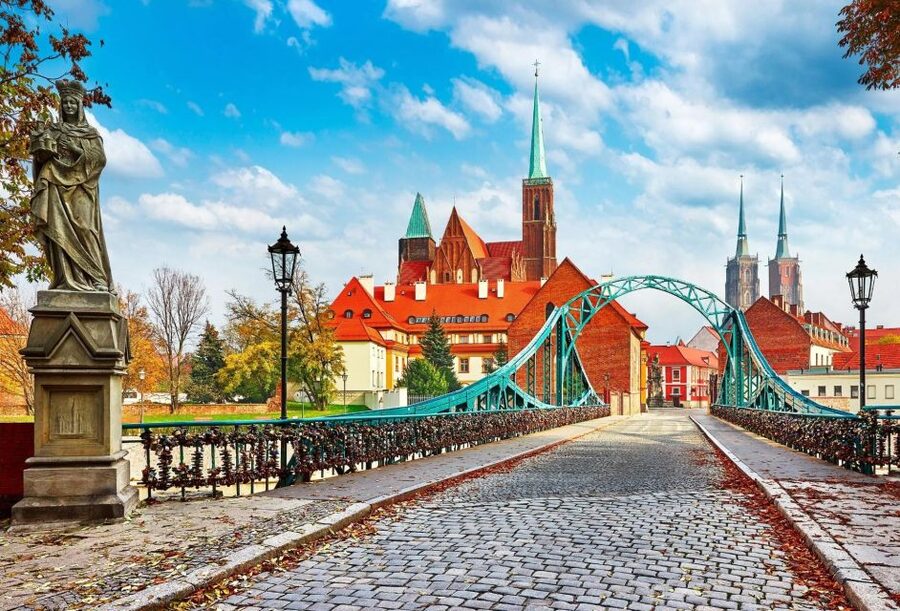
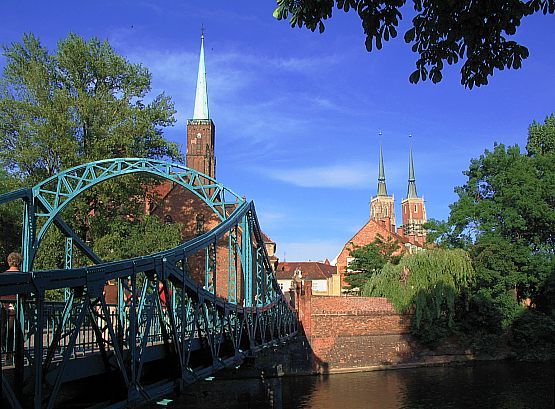
- The Grunwaldzki Bridge is a highlight: Its steel suspension design is one of Wroclaw’s best-known symbols.
- You get a private guide: English, German, Polish, Russian, Spanish, French, Italian, and Portuguese are available.
- The price is reasonable for a private experience: At $55 per person, the value depends on group size and how much help you want with orientation.
Why this tour works well as a first look at Wroclaw
Wroclaw is a city of islands, bridges, church towers, grand squares, and layered borders. It can take time to understand how the old center fits together. This tour gives you a useful framework in three hours, with a guide explaining what you are seeing as you move from one district to the next.
The walking portion comes first. That is important because the Old Town is easier to appreciate after you have seen Ostrow Tumski, the older religious center across the river. By the time you reach the Market Square, you have already watched the city shift from cathedral island to university quarter to civic heart.
The private format is the real selling point. You are not tied to a large group or a fixed public departure. Your guide waits in the hotel lobby with your name, then adjusts the conversation to your interests as you walk. Maria and Monika are two of the guides specifically praised for friendly, personal tours, clear explanations, and stories about Polish and Wroclaw history.
At $55 per person, the cost is strongest for a couple, family, or small group that wants a guide without arranging several separate activities. If you are traveling alone, the price is less of a bargain than a standard group walk, but the hotel pickup and private attention still add practical value.
More River Cruises in Poland:
- Kraków: Evening or Night River Cruise
★ 4.0 · 7,386 reviews - Krakow: Sightseeing Cruise by Vistula River
★ 4.1 · 1,897 reviews - Warsaw: Traditional Galar Cruise on The Vistula River
★ 4.6 · 1,640 reviews
Starting at Ostrow Tumski, Wroclaw’s oldest quarter
The tour begins at your hotel, then heads toward the harbour. If you stay outside the center, you use local transportation with the guide. That detail matters: transportation is not included in the price, so keep a local fare in mind if your hotel is farther out.
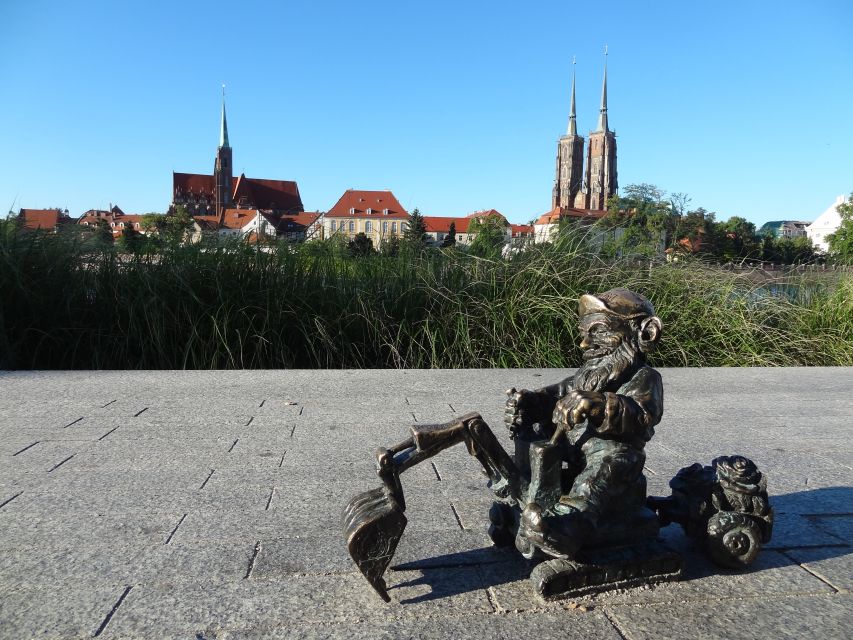
The first major area is Ostrow Tumski, an island in the Oder and the oldest part of Wroclaw. Its name means Cathedral Island, though modern bridges and changed river channels make the geography more complicated than the name suggests. The area is best known for churches, quiet lanes, and a different mood from the commercial center.
The 13th-century Cathedral of St. John the Baptist gives this opening walk real weight. You see the cathedral from the outside as part of the route, while your guide explains its place in the city’s development. The church is one of the clearest reminders that Wroclaw grew around religious institutions as well as trade.
I like beginning here because it avoids the usual rush straight to the Market Square. You get a quieter introduction, then cross a bridge over the Oder toward the Old Town. That crossing also sets up the main theme of the day: Wroclaw makes sense when you pay attention to its water.
Crossing the Oder toward Wroclaw University
From Ostrow Tumski, the route continues across the river and into the older urban center. The bridges are not just ways to get from one sight to another. They frame the river, cathedral towers, embankments, and city roofs, giving you the first taste of why Wroclaw is often called the City of 100 Bridges.
Wroclaw University is an important stop along the way. The university is especially known for Aula Leopoldina, a grand Baroque hall. The tour description does not promise a separate interior visit, so ask your guide what you will see on the day and whether the hall is open. Even from the route, the university adds a scholarly and architectural layer to the walk.
This section is where a private guide can help most. A map can show you the route, but it cannot easily explain how the cathedral quarter, university, river, and Market Square relate to one another. Your guide can also point out what to revisit later if you have more time.
The streets become more traditionally Old World as you continue. Expect medieval cobblestones, old facades, and several changes in scale before the route reaches the main square. Wear comfortable shoes. The walk lasts about two hours, and cobbles are less forgiving than a smooth pavement.
The Market Square and its colorful tenements
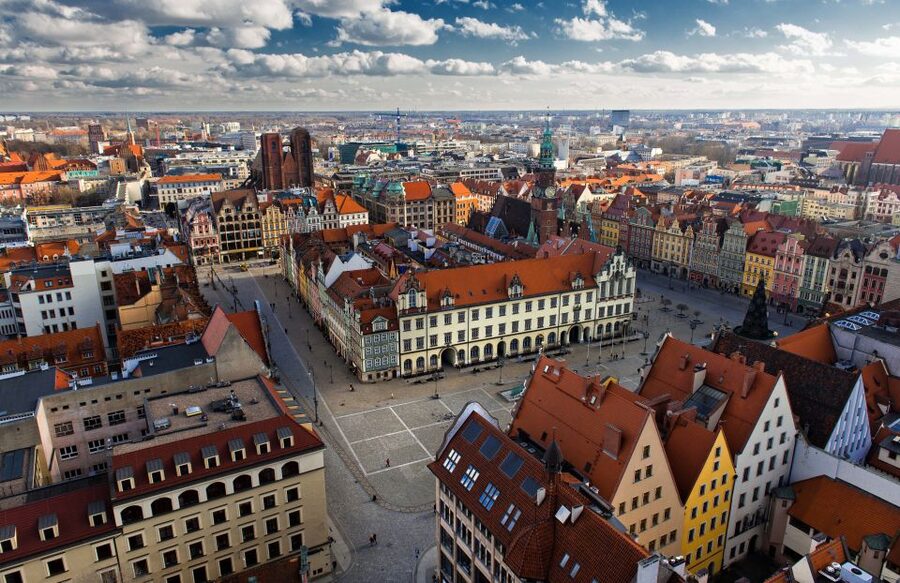
The Market Square is one of Europe’s larger historic squares. It is surrounded by colorful tenement houses, with the Gothic Town Hall at its center. This is the most instantly recognizable part of the walking route, and it gives you the classic Wroclaw scene of bright facades, decorative details, and busy public space.
Your guide’s explanation helps separate the buildings from the general spectacle. Look at the different widths, colors, rooflines, and decorative touches around the square. The tenements are not one uniform design, which makes a slow walk around the edges more rewarding than a quick photograph from the middle.
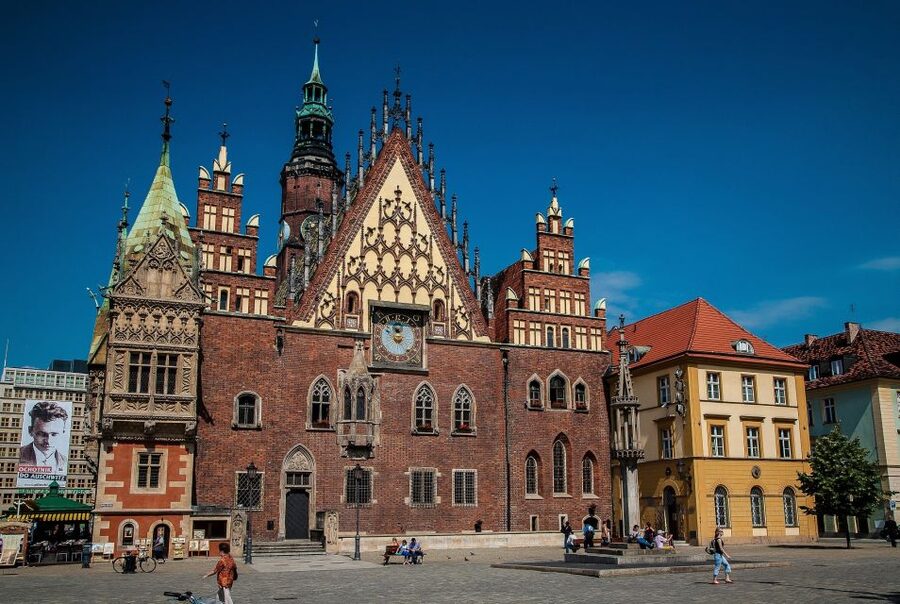
The Gothic Town Hall is the anchor. Its scale and ornament show how important the square was as a place for trade and civic life. You do not need a long lecture here. A good guide gives you enough context to see why the building matters, then leaves you time to look.
This stop also helps you orient yourself for later. The boat cruise shows the Old Town from the outside, while the walking section puts you inside its streets. Together, the two views make the center easier to navigate on your own after the tour.
A small caution: the Market Square is the busiest part of the route, and the walking tour may feel more like an overview than a detailed museum visit. If you want long interior visits at the cathedral, university, or Town Hall, ask before booking or plan separate time.
Same water, a different way to see it:
- Krakow: Day or Night Vistula River Cruise with Audio Guide
★ 4.5 · 1,303 reviews - Krakow: 1-Hour Evening Vistula River Cruise
★ 4.1 · 952 reviews - Krakow: Sightseeing Cruise on Vistula River with Audio Guide
★ 4.4 · 480 reviews - Krakow: Vistula River Cruise with Historical Views
★ 3.5 · 357 reviews
Boarding the local ship for the 45-minute cruise
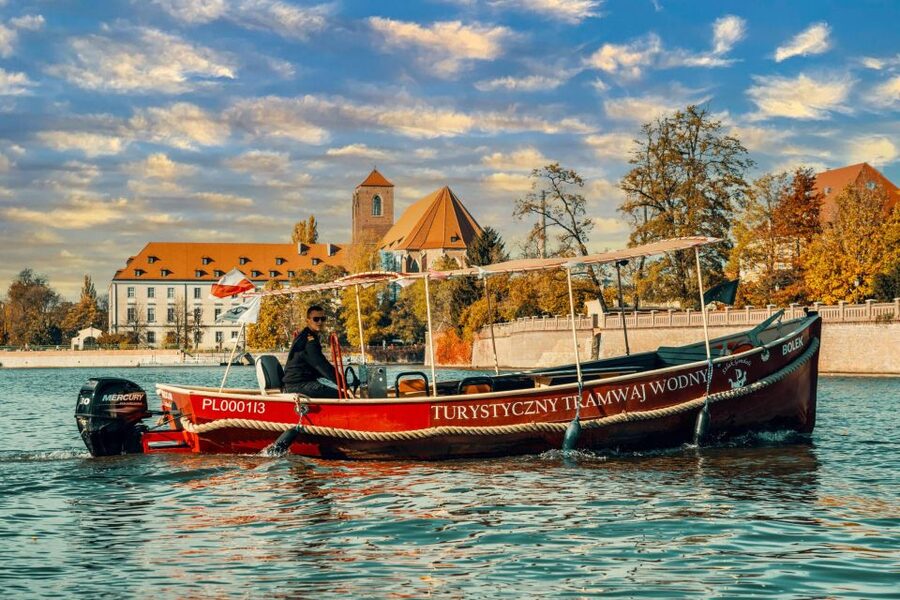
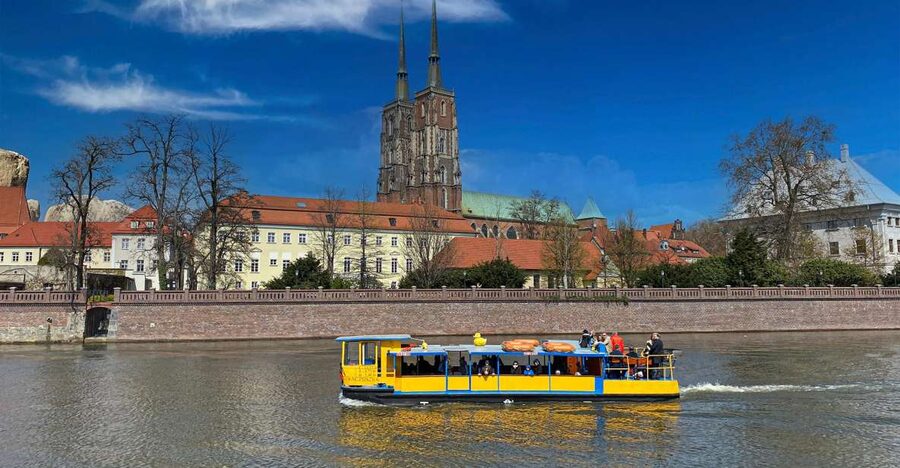
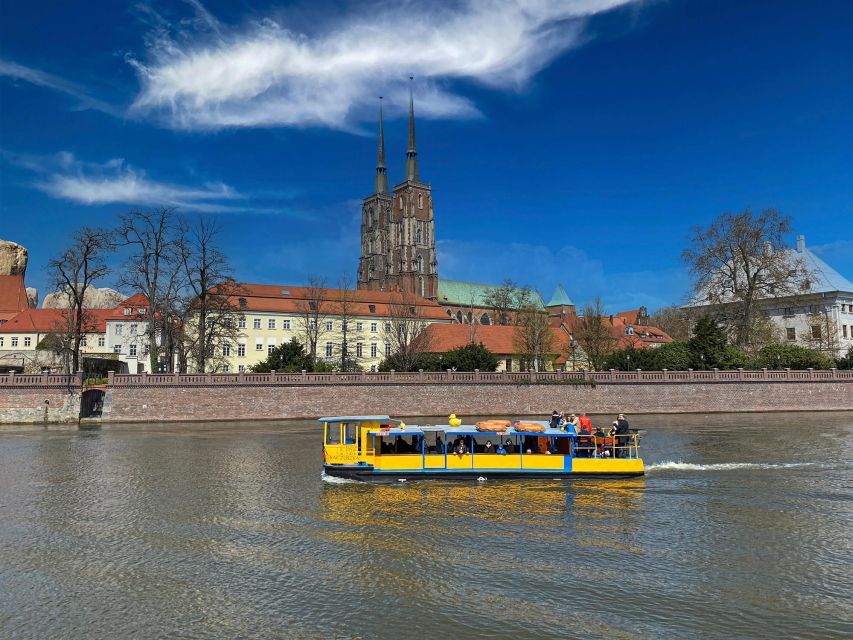
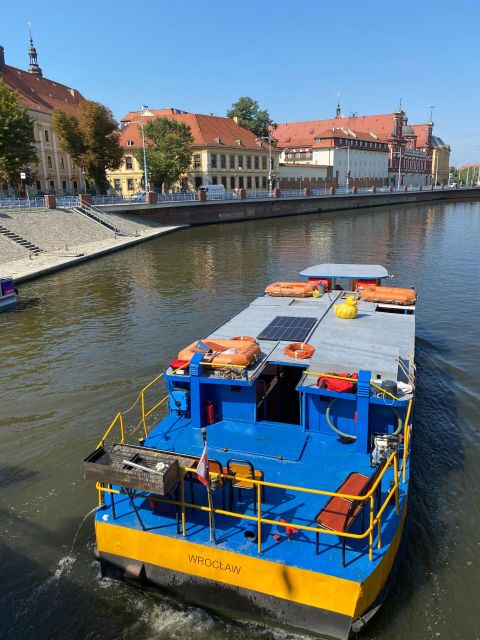
After the walking tour, you board one of the local boats moored at a bridge. The cruise lasts 45 minutes, so think of it as a focused city view rather than a full river excursion.
The Oder is Poland’s second-largest river, and it gives Wroclaw a shape that is easy to miss from street level. From the deck, you can look back toward the Old Town, watch bridges pass overhead, and see how the city’s islands and riverbanks connect.
The river section is especially useful after the walking route. You have already seen the Market Square and cathedral district close up. Now you can place them within the larger city, with the guide pointing out landmarks and sharing local stories and legends.
The boat itself is a practical part of the experience. Seating and views can vary by vessel, so you may want to arrive ready to move around if the boat allows it. The supplied information confirms the cruise length and sights, but not whether seating is inside, outside, or covered. Weather can therefore affect how comfortable the ride feels.
Night departures offer a different mood, with illuminated buildings and bridges. The tour information specifically notes evening cruises as a chance to see the City of 100 Bridges lit up. Check the available starting times before you reserve, since the schedule is not fixed in the description.
Bridges, locks, and the view from the Oder
The Grunwaldzki Bridge is one of the cruise’s main visual highlights. Its steel suspension construction makes it easy to recognize, and from the river you get a better sense of its scale than from a nearby pavement.
The boat also passes under several well-known Wroclaw bridges. This is where the city can feel a little like Venice, though the comparison should be kept modest. Wroclaw is not a canal city, but its waterways and bridges do create a strong sense of movement through the center.
The route includes Szczytniki lock, the Pressure Tower, Ostrow Tumski, the Polinka cable car, Market Hall, and the zoo. You may not stop at these places, but seeing them from the water helps you identify possible additions to your own sightseeing plan.
The Polinka cable car is an especially useful landmark because it shows how modern transport crosses the river alongside older bridges. Market Hall gives another view of the city’s practical commercial side, while the zoo and Szczytniki area show that Wroclaw extends well beyond the postcard center.
The guide continues the commentary during the cruise. That matters because the river view can otherwise become a pleasant but vague sequence of buildings. You can ask about anything that catches your eye and get suggestions for what to see after the tour.
What the three-hour schedule feels like
The walking section lasts about two hours, followed by the 45-minute boat cruise. Allow a little flexibility around boarding and movement between the final walking stop and the boat.
This is not a slow, stop-for-coffee kind of outing. You cover several major areas in one morning or afternoon. I would choose it early in your Wroclaw stay, when you want to understand the city before exploring museums, churches, or neighborhoods on your own.
The schedule suits people who prefer a clear route and live explanation. It may be less suitable if you have trouble walking on cobblestones, want extensive time inside buildings, or prefer to spend an entire afternoon at one site. The walking route is the larger part of the experience, so the cruise does not replace a dedicated boat excursion.
Because the group is private, you can ask your guide to spend more time on a favorite subject, within the limits of the three-hour schedule. The strongest personal feedback attached to guides such as Maria and Monika points to this individual attention, along with warm conversation and practical tips.
Languages, pickup, and what the price covers
The tour includes a private foreign-language guide for three hours and a 45-minute boat ticket. Guide languages are English, German, Polish, Russian, Spanish, French, Italian, and Portuguese.
Hotel pickup is included. Your guide waits in the lobby with your name, which is simpler than trying to locate a boat dock in an unfamiliar city. If your hotel lies outside the center, you and the guide use local transportation together, but that fare is not included.
Tips and gratuities are also not included. The price is $55 per person, and you can reserve now while paying later. Cancellation is free up to 24 hours in advance, which gives you some room to adjust plans.
The value depends on what you want from a guide. For a small private group, $55 covers a substantial walking route, local transport guidance, live commentary, and the boat ticket. It is less compelling if you only want the cruise, since almost two-thirds of the experience is walking.
Who should book this Wroclaw experience?
I would recommend it to first-time visitors who want to see the main center without working out the route themselves. It also suits families and small groups that appreciate hotel pickup and the ability to ask questions privately.
It is a good match for anyone who likes architecture, bridges, city stories, and a mixture of active sightseeing and relaxing views. The route gives you a strong first look at Ostrow Tumski, Wroclaw University, the Market Square, and the Oder.
You should think twice if your priority is a long boat ride, a museum interior, or an unhurried café stop. The cruise is only 45 minutes, and the walking portion covers ground. You should also plan for comfortable footwear and check the starting time if you want an evening ride with illuminated sights.
Should you book the Oder River cruise and walking tour?
Book it if you want a private orientation to Wroclaw that combines the city’s major streets with its waterways. The strongest reasons are the hotel pickup, the personal guide, the clear route through Ostrow Tumski and the Market Square, and the river view of bridges and landmarks that are hard to understand from land.
The $55 price is fair for a small group wanting both a guide and a boat ticket. Choose another option if you want a slower, more detailed visit to individual interiors or a longer cruise. For most first visits, though, this is a practical way to get your bearings and leave with a useful list of places to explore next.
FAQ
How long does the tour last?
The full experience lasts three hours. About two hours are spent walking through the city, followed by a 45-minute Oder River cruise.
How long is the boat cruise?
The Oder River cruise lasts 45 minutes.
Is hotel pickup included?
Yes. The guide waits in your hotel lobby with your name. If your hotel is outside the city center, you travel with the guide by local transportation.
Is transportation included in the price?
Transportation is not included. If local transport is needed from a hotel outside the center, you take it with the guide and pay the transport cost separately.
What places are included in the walking tour?
The route includes Ostrow Tumski, the Cathedral of St. John the Baptist, Wroclaw University, and the Market Square with its Gothic Town Hall and surrounding tenement houses.
What can you see during the river cruise?
The cruise passes under well-known bridges and offers views of Szczytniki lock, the Pressure Tower, Ostrow Tumski, the Polinka cable car, Market Hall, the zoo, and the Old Town.
Which languages are available for the guide?
Guides are available in English, German, Polish, Russian, Spanish, French, Italian, and Portuguese.
Newly reviewed in Poland
- Cruises on the Motlawa River★ 4.5 · 66 reviews
- Toruń: Sightseeing Cruises on the Vistula River★ 5.0 · 58 reviews
- Krakow: Vistula River Panoramic Boat Tour ️★ 3.5 · 192 reviews
- Krakow: Vistula River Cruise with Historical Views★ 3.5 · 357 reviews
- Krakow: Sightseeing Cruise on the Vistula River★ 4.5 · 65 reviews
- Krakow: River Cruise & Guided Visit to Former Plaszow Camp★ 3.6 · 3 reviews
- Krakow: Vistula River Cruise and Wieliczka Salt Mine Tour★ 4.6 · 3 reviews
- Krakow: Vistula River Sightseeing Cruise ️★ 3.9 · 20 reviews
Poland River Cruises, compared side by side.
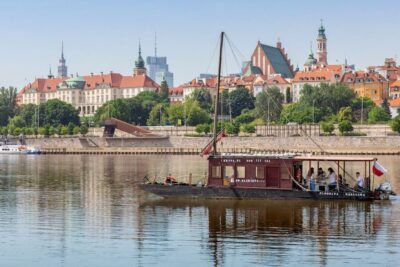
Traditional Galar Cruise on The Vistula River
Read our review →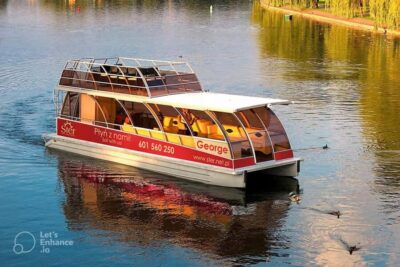
Day or Night Vistula River Cruise with Audio Guide
Read our review →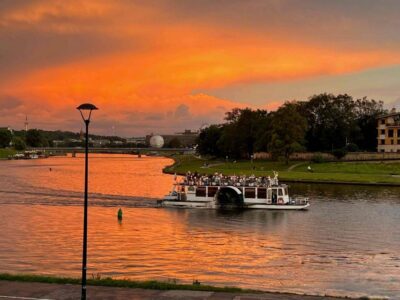

Sightseeing Cruise on Vistula River with Audio Guide
Read our review →
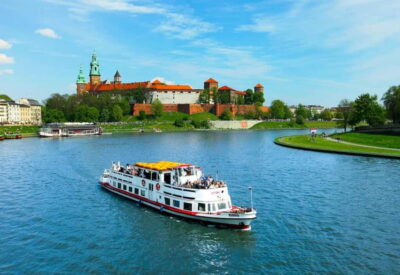
Vistula River Sightseeing Cruise with Audio Guide
Read our review →Lists this trip appears in