
Review · CAIRO
4-Day 3-Night Nile Cruise from Aswan to Luxor
The best part of this cruise is the way it links Egypt’s greatest ancient sites in one steady journey. You move from Philae’s island temple to Kom Ombo, Edfu, and Luxor without repacking every night. I also like the small maximum group of 15 and the help of an Egyptology guide, with Michael, Mickael, or Mike named as the main organizer and guide in the available feedback.
I like the full-board setup, the onboard pool, and the simple rhythm of sailing, sightseeing, and returning to the ship. The main caution is the ship itself: this is a standard cruise, not a luxury hotel on water. One account describes very basic cabins and repetitive buffet food, so book it for the Nile route and temples first, not for five-star comfort.
Key points to know before booking
- Four days from Aswan to Luxor: You visit the major temples while sailing north, with nights in Aswan, Edfu, and Luxor.
- Small group format: The tour accepts a maximum of 15 people, with pickup and air-conditioned minivan transport.
- Strong Egyptology focus: Philae, Kom Ombo, Edfu, Luxor Temple, Karnak, the Valley of the Kings, and Hatshepsut’s temple are included.
- Full board on the ship: Three breakfasts, three lunches, and three dinners are included, along with afternoon tea and onboard entertainment.
- Abu Simbel is optional: The early morning excursion costs extra and takes about eight hours.
- Budget cruise rather than luxury sailing: A pool is provided, but food, cabin quality, and service may be basic.
What the $295 price really buys you
At $295 per person, this is an inexpensive way to cover a large stretch of the Nile. The price includes three nights on the ship, meals, guiding, minivan transport, and visits to the main sites from Aswan to Luxor. For a first visit to southern Egypt, that package can save you a great deal of planning.
The value comes from the route. You are not simply paying for a boat ride. You are using the ship as a moving base while reaching temples that would otherwise require several separate transfers. The cruise also gives you time to watch the river from the deck, rather than spending every day on roads.
Still, you need to budget beyond the advertised price. Tips, drinks, optional excursions, and many admission tickets are not included. Abu Simbel costs extra, and the itinerary marks admission as not included at several major sites, including Philae, Kom Ombo, Luxor Temple, the Valley of the Kings, Hatshepsut’s temple, and Karnak.
That makes the final cost higher than $295. Even so, it can remain good value if your priority is seeing the monuments with transport and meals arranged. Just ask for a clear list of entrance fees and optional charges before departure.
More Nile Cruises in Cairo:
- Cairo: Dinner Cruise on the Nile River with Entertainment
★ 4.2 · 2,190 reviews - Cairo: Nile Dinner Cruise with Belly Dancer Show with Pickup
★ 4.4 · 835 reviews - Cairo: Dinner Cruise on the Nile River
★ 4.2 · 741 reviews
Day 1: Aswan High Dam and Philae Temple
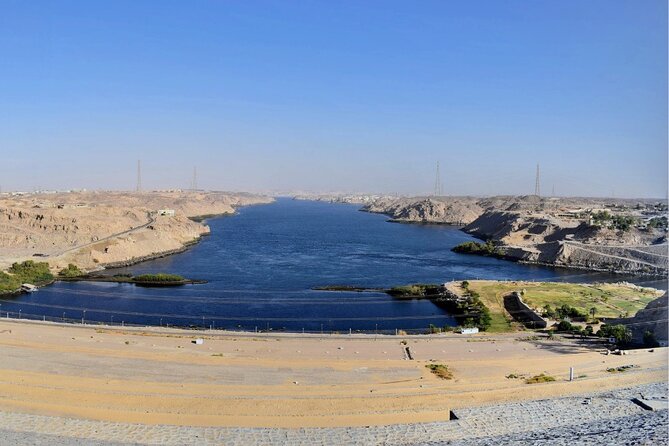
Your first day begins in Aswan, where you meet the local representative and visit the High Dam. The dam is a modern engineering project, but it matters to your ancient-sites itinerary because the Nile’s changing water levels affected several monuments.
The visit is relatively brief compared with the ancient temples, yet it gives you useful background. The old dam caused Philae Temple to spend years partly underwater, and an international rescue effort moved the temple to higher ground. That relocation is one reason Philae feels so special: you are seeing an ancient complex preserved through a major modern effort.
Philae was the last temple built in Egypt during the Greco-Roman period. Its setting on an island adds to the experience, and the temple’s connection with the goddess Isis gives the site a different character from the larger state temples farther north.
You have about two hours at Philae. Since admission is listed separately, confirm the ticket cost before you go. The first day also includes lunch and dinner onboard, with the ship overnighting in Aswan. An evening disco party is planned, which may suit you if you want some entertainment after the sightseeing, though it is not a quiet cultural activity.
The schedule is fairly full from the start. You should keep your first afternoon flexible and avoid planning a separate Aswan excursion unless you know the ship’s exact departure time.
Day 2: The Abu Simbel choice and Kom Ombo after dark
Abu Simbel is the optional extra that can make Day 2 very long, but for many visitors it is the most important decision of the trip. The temples were carved into sandstone around 1290 BC and are known for their huge royal monuments.
The excursion begins around 4:00 a.m. and is expected to return around 1:30 p.m. for lunch on the ship. That is an eight-hour outing before the afternoon temple visit, so you need to be comfortable with an early start and a tiring day.
The Abu Simbel trip is not included in the base price. The information provided lists admission as free for this optional outing, but the excursion itself carries an extra charge. Confirm exactly what that charge covers.
If you skip Abu Simbel, you get a slower day around the ship and Aswan. If you include it, you add one of Egypt’s great monuments to the trip, but you give up rest. I would choose it if this is your only visit to southern Egypt and you can handle the early morning.
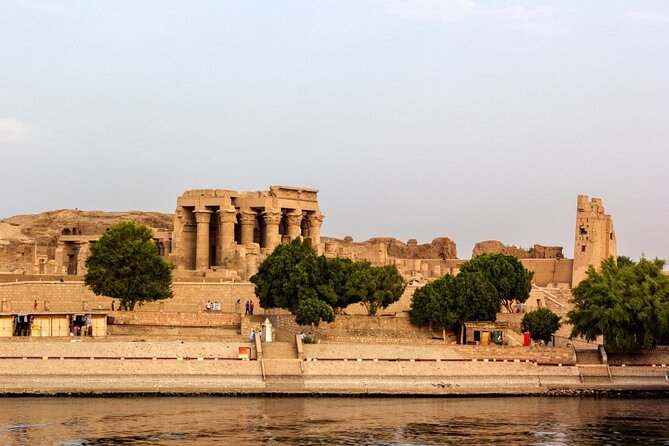
Later, the ship sails toward Kom Ombo. The journey takes about three hours, giving you time to sit on deck, watch the riverbanks, and recover from the morning. Kom Ombo is unusual because it is a double temple dedicated to two gods: Sobek, shown with a crocodile head, and Horus the Elder, shown with a falcon’s head.
The shared layout is the point here. You can see how one temple served two religious traditions side by side. The visit also includes the crocodile museum, a small but useful addition that helps explain Sobek’s place in ancient Egyptian worship.
After Kom Ombo, the ship continues to Edfu for the night. Admission is listed separately for Kom Ombo, and drinks are not included onboard.
Day 3: Edfu, Esna, and Luxor Temple
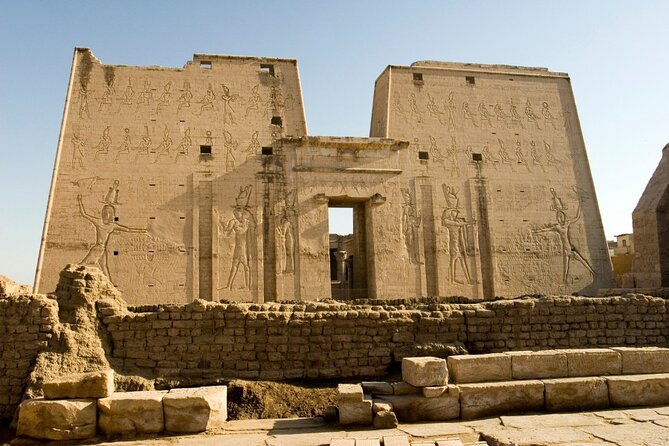
Edfu Temple is one of the best-preserved temples in Egypt. Dedicated to Horus, it lets you see architectural details that are easier to miss at more damaged sites. The visit lasts about an hour, so you should listen closely to the guide and use your time well.
The ship then sails toward Luxor through Esna. This is one of the most pleasant parts of the cruise because the movement between sites becomes part of the day. You are not racing from one vehicle to another. You can eat, rest, and spend time on the deck as the river carries you north.
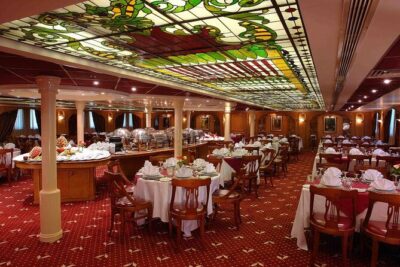
The ship is described as a standard vessel with a swimming pool and onboard entertainment. Use the pool as a way to cool off between excursions, but keep your expectations practical. One account praises the welcoming crew and restaurant service on a ship identified as Radamis 2, while another describes a vessel that felt far below five-star standards. The exact ship may vary, so ask for its name and current photos before booking.
In the evening, you visit Luxor Temple. This temple was connected with Karnak by an avenue of sphinxes, and the evening timing can make the columns and statues especially atmospheric. You have about two hours at the site.
Luxor Temple is not simply another stop on a long list. It helps you understand how ancient Thebes was organized, with temples, processional routes, and royal monuments spread across both banks of the Nile. Admission is listed separately, so keep some cash available for site tickets and tips.
You spend the night in Luxor. That is useful because Day 4 begins with checkout and west-bank sightseeing.
More Four-Day Trips in Cairo:
- From Cairo: 4-Day Nile Cruise to Luxor with Balloon Flight
★ 4.2 · 112 reviews - From Cairo 4-Day Nile Cruise to Aswan by Flights& Hot Air Balloon
★ 4.5 · 44 reviews - 4 Day Luxor&Aswan Nile cruise&Abu Simbel by plane from Cairo.Hot deal
★ 5.0 · 31 reviews - 4 Day Nile Cruise from Cairo to Aswan and Luxor
★ 5.0 · 27 reviews
Day 4: The Valley of the Kings and Hatshepsut
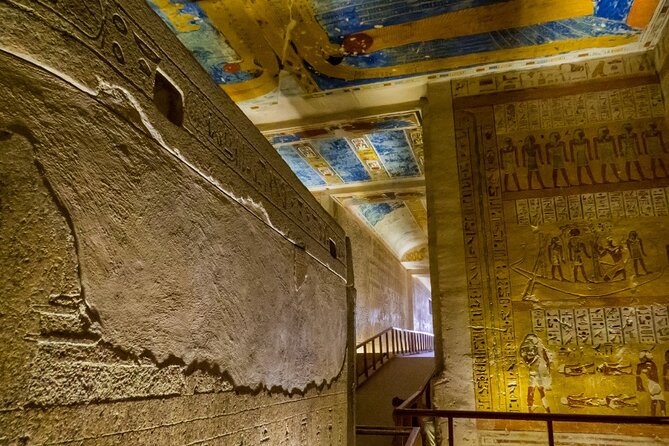
After breakfast, you leave the ship and visit the west bank of Luxor. The Valley of the Kings holds more than 60 royal tombs carved into the cliffs. The number sounds impressive, but the practical point is that the standard ticket usually controls which tombs you can enter, and special tombs may carry extra charges. The provided tour details do not specify which tombs are included, so ask your guide on the morning of the visit.
You have about two hours in the valley. The tombs are underground spaces, not grand buildings viewed from outside. You will see painted chambers, narrow passages, and evidence of the effort ancient rulers made to prepare for the afterlife. The heat and walking can be tiring, so comfortable shoes and water matter.
Next comes the Temple of Hatshepsut at Deir el-Bahari. Hatshepsut ruled as a female pharaoh around 1475 BC, and the temple’s broad terraces and cliff setting make it unlike the tombs in the valley. The visit lasts about an hour.
The description calls Hatshepsut a tom boy queen, but the more useful thing to remember is that she presented herself in the traditional visual language of kings. Her monument is a strong reminder that ancient Egyptian power did not always fit the simple picture many people bring with them.
The final major stop is Karnak Temple, with about two hours to explore. Karnak was dedicated mainly to Amun-Ra and grew over many centuries. Its scale is much larger than Luxor Temple, with enormous columns, courts, pylons, and sacred spaces.
Karnak can feel overwhelming without a guide. A good Egyptologist should help you separate the main religious ideas from the long list of rulers and dates. Feedback about Michael is especially positive on this point: he is described as clear, helpful, and able to explain Egypt without turning the visit into a dull lecture. The same feedback also credits him with helping people avoid tourist traps and feel safe during the trip.
Food, cabins, and life onboard
Three breakfasts, three lunches, and three dinners are included. Afternoon tea is also part of the cruise routine, and an evening entertainment program is planned.
Food quality appears to be the least predictable part of the experience. One account describes plentiful and varied meals, with freshly cooked options preferred. Another describes buffet meals built mostly around rice, potatoes, bread, and small portions of meat or fish.
I would treat the food as practical fuel rather than a major reason to book. If you have dietary needs, ask for details before paying. Drinks are excluded, so remember that water, soft drinks, and other beverages add to your onboard spending.
The pool is a welcome feature in Egypt’s heat. It gives you something to do during sailing hours, but the ship should still be viewed as a standard boat. Do not assume that a pool means luxury service, polished cabins, or hotel-level dining.
The maximum group size is 15. That is a real advantage during temple visits because a smaller group is easier to keep together and gives you more access to the guide. Transport is by air-conditioned minivan, which is useful for the Aswan and Luxor land visits.
How the guiding affects the trip
The temples are memorable on their own, but the guide can determine how much you understand. The available names include Michael, Mickael, and Mike, likely referring to the same organizer or guide. He is described as friendly, responsive, and especially good at answering questions without giving long, tiring lectures.
That personal help matters on a four-day schedule. You are moving quickly, and the difference between simply seeing a column and understanding its purpose is often one clear explanation.
Guiding quality may vary by day because the cruise can involve local representatives and different transport arrangements. Before departure, ask who will meet you in Aswan, who will guide the ship visits, and whether the same Egyptologist stays with you through Luxor.
Who should book this Nile cruise?

This cruise suits you if you want the main Aswan-to-Luxor sights in a short period, prefer an organized schedule, and like having meals and transport handled in one package. It is also a good fit if you want a small group rather than a large coach tour.
It works particularly well for a first visit to Egypt, since the route covers the country’s most important southern monuments. The optional Abu Simbel trip gives you a way to add another major site without arranging a separate hotel or transfer.
You may want another option if cabin quality, food, or quiet service matters more to you than price. The ship is not consistently described as luxurious, and the buffet may feel repetitive. Independent-minded visitors may also find the fixed schedule restrictive, especially on the days with early starts and several temple visits.
Free cancellation is available up to 24 hours before the start time. Inside that window, the amount paid is not refunded, and late changes are not accepted.
Should you book it?
Book this cruise if you want a budget-friendly Nile route with the major temples, a guide, full-board meals, and a group capped at 15. The strongest reasons are the efficient itinerary and the helpful, safety-conscious guiding associated with Michael, Mickael, or Mike.
Do not book it expecting a true five-star ship. Confirm the vessel, cabin photos, entrance fees, Abu Simbel cost, and drink prices before you commit. If you can accept basic cruise standards, the $295 starting price offers a practical way to see the core sights between Aswan and Luxor.
FAQ
How long is the Nile cruise?
The cruise lasts four days and three nights, traveling from Aswan to Luxor.
Where does the cruise begin and end?
The route begins in Aswan and ends in Luxor. The tour information lists Cairo as the location, but the sightseeing itinerary itself starts in Aswan.
What meals are included?
Three breakfasts, three lunches, and three dinners are included. Afternoon tea is also mentioned as part of the onboard experience.
Is Abu Simbel included?
No. Abu Simbel is an optional excursion with an extra cost. It begins around 4:00 a.m. and is expected to return around 1:30 p.m.
Which temples are visited?
The itinerary includes Philae, Kom Ombo, Edfu, Luxor Temple, Karnak Temple, the Valley of the Kings, and Hatshepsut’s temple.
Is transportation included?
Yes. Pickup is offered, and transport is provided by air-conditioned minivan for the land portions of the tour.
How large is the group?
The tour has a maximum of 15 participants.
What is not included in the price?
Tips and gratuities, drinks, optional excursions, and several site admission tickets are not included. Check the exact entrance fees before departure.
Newly reviewed in Cairo
- Cairo Private layover tour Giza pyramids,sphinx&Nile Felucca Boat★ 4.5 · 13 reviews
- 8 Day Stunning Cairo Pyramids and Nile cruise and Hurghada All inclusive★ 5.0 · 43 reviews
- Cairo dinner Nile cruise with belly dancer show on Nile river★ 5.0 · 2 reviews
- night-tour Nile dinner cruise with open buffet and belly dancer★ 5.0 · 9 reviews
- Private Full Day Tour Giza Pyramids ,Museum & Nile Felucca Boat★ 4.0 · 3 reviews
- Private Tour Giza Pyramids , Sphinx & Dinner Nile cruise Show★ 4.5 · 3 reviews
- Dinner Nile Cruise belly dancer open buffer tanora show sailing on Nile★ 5.0 · 9 reviews
- VIP Private Tour Giza Pyramids ,Nile Dinner Cruise&Pyramid Inside★ 5.0 · 3 reviews
Nile Cruises, compared side by side.
4-Days Nile Cruise From Aswan To Luxor including Abu Simbel and Hot Air Balloon
Read our review →
Dinner Cruise on the Nile River with Entertainment
Read our review →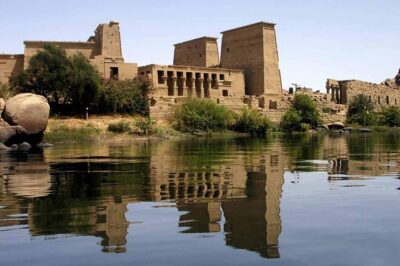
4-Day 3-Night Nile Cruise from Aswan to Luxor&Abu Simbel+Balloon
Read our review →
Nile Dinner Cruise with Belly Dancer Show with Pickup
Read our review →
4-Day 3-Night Nile Cruise from Aswan to Luxor including Abu Simbel, Air Balloon
Read our review →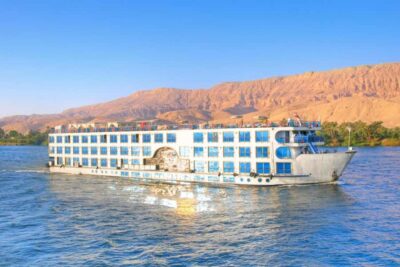
4-Day Nile Cruise from Aswan to Luxor with Guide
Read our review →Lists this trip appears in